


PHOTO
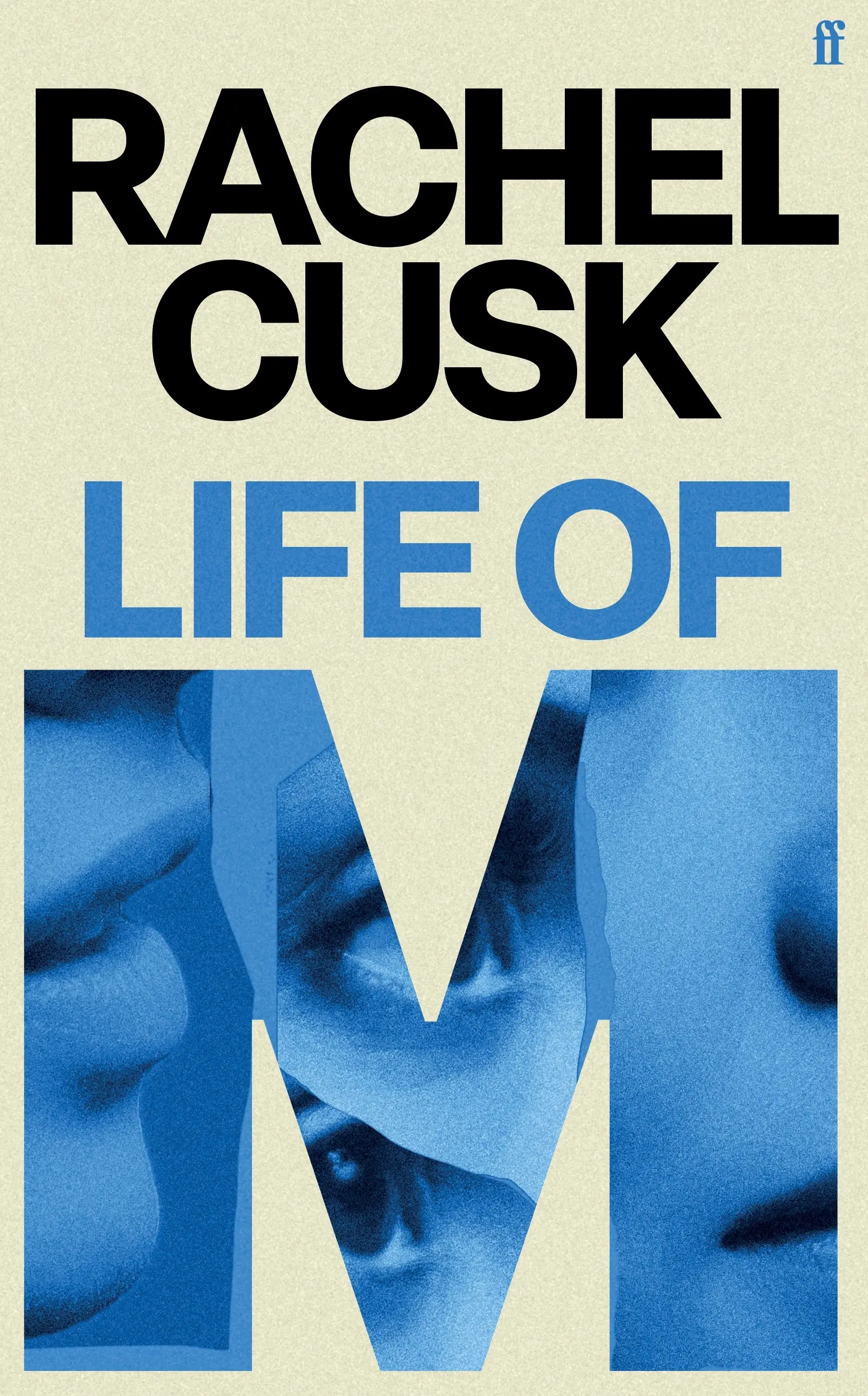
Life of M
By Rachel Cusk
Faber
Reviewed by Tim Scott
It is boldly proclaimed that Rachel Cusk has, again, “fashioned a new kind of literature” with Life of M.
Her latest novel is described on the back cover as one “stripped of artifice, it takes our emptiness and fills it with grace”.
It could instead be simply put as a bit boring.
This novel is quiet, contemplative and short.
It has no straightforward plot: it instead strings together several vignettes of modern life, many of which our titular protagonist is not even featured.
M is a film star who has agreed to let a stranger write her biography.
M’s personal task, we are told, “is to become real, or rather to acquire some reality”.
We loosely follow M’s pursuit of this cultivation of normality, but sometimes it is unclear who we are following, or if the novel itself is actually M’s biography.
There are sudden shifts between detailed descriptions of setting, abstract observations about the world and whatever M happens to be doing.
Perhaps this was meant to imitate scenes of a film.
Everything seems either cold, windy or grey, oppressed by a fatal gloominess.
There are moments, particularly towards the end, where Cusk’s observational and psychological portraits do take flight, but they are rare.
Life of M touches on many popular talking points: the self-help and wellness industries, the commodification of intelligence, the unnatural pressures of fame.
Cusk has nothing much new to say about the line between art and reality.
There are hints of the psychological burden in M’s life: “The unimaginable strangeness of not being known, even if it is the violent half-knowledge of someone on the street looking at her quizzically and trying to place her, remains a darkened prospect.”
Cusk spends a lot of time telling us what everything is meant to mean — that the gallerist’s surprisingly lumpy, red face is a sign of his talent for recognising authenticity — rather than let these details try to speak for themselves.
But the question on everyone’s mind: Is Life of M about Natalie Portman?
Evidence to support this widely speculated theory includes M being offered the starring role in a film “about a young girl chosen for the starring role in a ballet”.
Black Swan or not, it does not really matter whether it is about Portman in the end.
It might as well be about any actor.
At least it made for good marketing.
The novel seems to start trying to make sense of itself towards the very end, but it feels abrupt and incomplete.
With one last sigh and a roll of the eyes, I turned the final page, glad it was over.
Perhaps Life of M is some sort of deliberate stripping away of artifice — but for what?
Sentences such as, “In person she was very small and the house was like a big doll’s house, with her as the doll inside it”, make me think it might not have been worth all the hassle.
Tim Scott is an ODT reporter and books editor