
PHOTO
We are past the tipping point. Now what?
A new report has landed with a stark headline: we have crossed the average global 1.5˚C temperature increase threshold. For years that number was a global aim to stay below because the impacts are significant. Furthermore, as we go past 1.5°C, climate impacts won’t just get worse, they’ll intensify in a non-linear way and compound over time. This raises the risk of crossing irreversible tipping points, such as Amazon rainforest dieback, permafrost thaw and the collapse of major ice sheets.
After passing this threshold the pace of change we need is urgent. Indeed Simon Sharpe, in his book Five Times Faster, argues we need to decarbonise the global economy five times faster than we have managed so far to avoid the worst of dangerous climate change.
The temptation, faced with a number like that, is despair. But there is another way to read it: there is enormous scope for action, precisely because our current pace is so far below what is needed. There is plenty of opportunity!
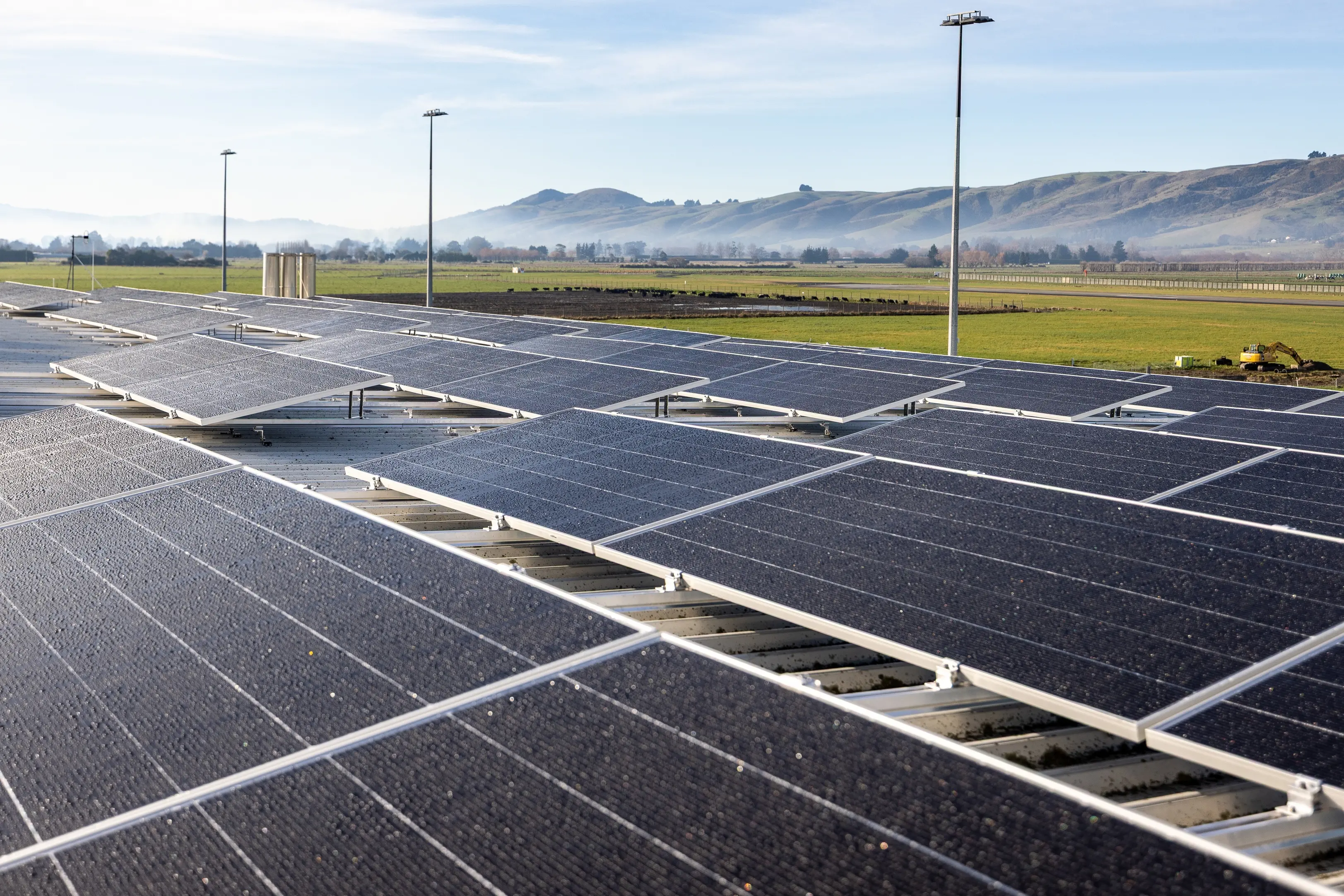
That opportunity is not just theoretical: researchers who study rapid change have a name for the moment a marginal shift turns unstoppable: trigger points. The Economics of Energy Innovation and System Transition project (EEIST) and the Global Tipping Points initiative have both spent years studying what they call positive tipping points, the moments when a shift that looked marginal suddenly becomes self-sustaining and rapid. Solar power is an example often used here. For five years now, new solar generation has been cheaper than new coal or gas across most of the world. That was not always true. Something tipped. The same researchers point to electric vehicles, heat pumps and battery storage as examples where the underlying economics have already flipped, even if public perception has not caught up.
These trigger points matter because they change what is politically and economically possible. It means that a system that looked entrenched can unwind faster than anyone forecast, once the new option is simply better.
The result is a systems transition: a complete shift in the way we do things. A recent S-Curve Economics report on zero-carbon transition policy sets out a useful principle for systems transitions, that is build the new system first, then dismantle the old one. This is what positive tipping points can initiate. People stop using an old technology only once a new one is available, affordable and works e.g. solar panels. New solutions have to be invented, brought to market and scaled up before the old ones can be phased out. Crucially, policies aimed at building new systems benefit from feedback loops that reinforce themselves early on.
This is paradigm change, not policy tinkering. The fastest way to get rid of an old system is not to attack it directly, but to build something better that people naturally shift towards.
It is tempting, in the meantime, to spend our attention on the voices defending the status quo. They are loud, well-resourced and they have every incentive to make the old system sound more durable than it is. Defending what exists is, after all, a rational response when your business model, your job or your political base depends on it. But loud is not the same as strong. The evidence from the economics of transition and from systems change practitioners at organisations like Future Stewards, points somewhere else entirely: towards a world where the direction of travel is already set and where the argument that matters is not whether change is coming, but how fast we choose to move with it.
So here is the question I keep coming back to, for boards, for policymakers, for anyone looking for change. Do you want to build resilience for the future that is already emerging or spend your remaining capacity defending a past that is already behind us?
We have crossed one tipping point. The evidence suggests we are approaching several others, and this time they are the kind we want to reach.