
The language of wearing

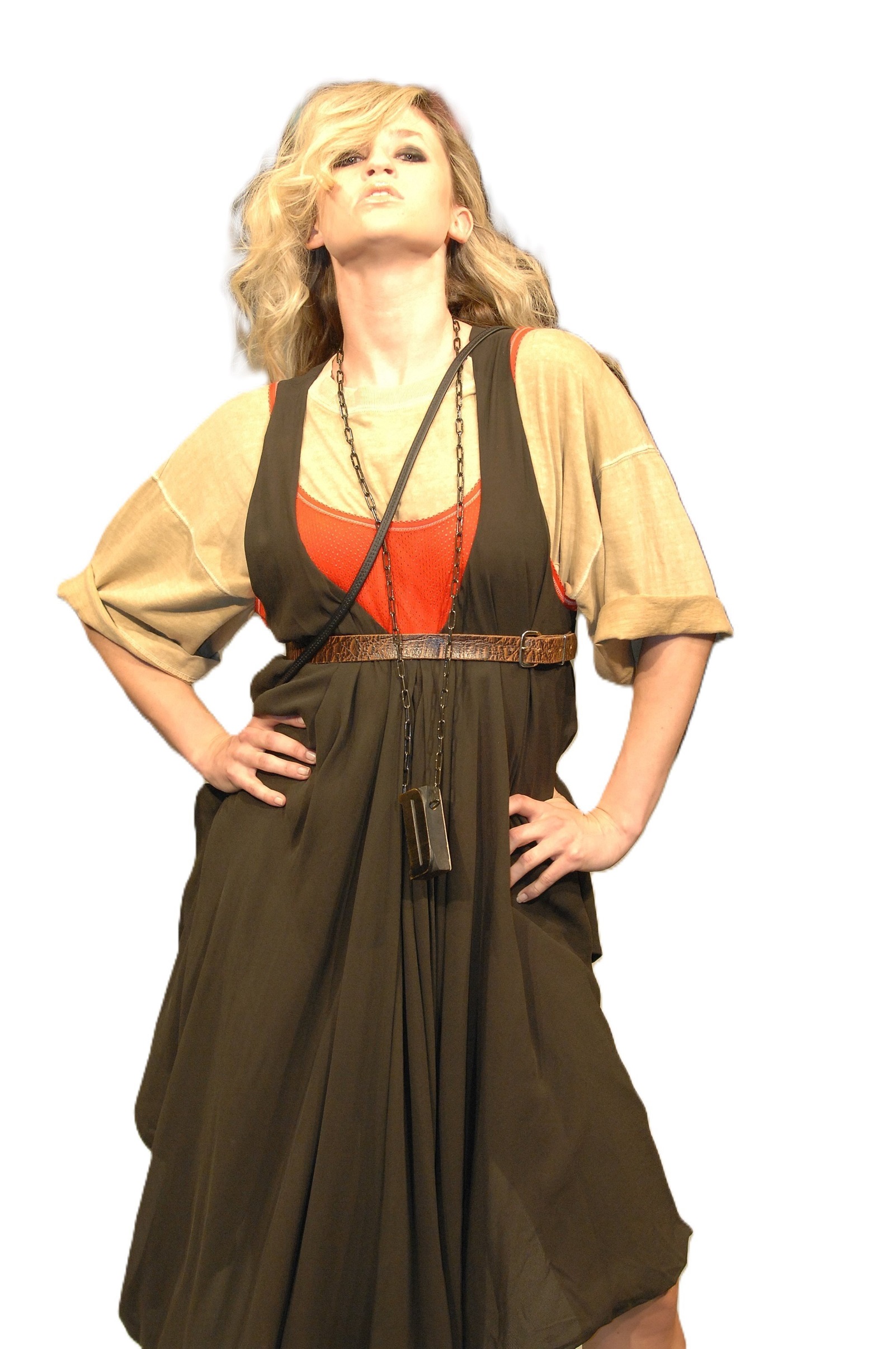
Helen Adam’s collection — BLIND, as shown in iD International Emerging Designer Awards 2007....
Helen Adam’s collection — BLIND, as shown in iD International Emerging Designer Awards 2007. Photo: Chris Sullivan, Seen in Dunedin
Prof Margo Barton, of Otago Polytechnic’s School of Fashion, asks if there are more to clothes than how they look on a person. 

What do you do when you’re thinking about describing your fashion style? Do you look at the mirror or do you think about how the garment feels on you on your body?

One of the installations occurring during the upcoming Dunedin Fringe Festival is designed to encourage people to think about, and talk about, what they are wearing.

When we think of the five traditional human senses — smell, hearing, taste, touch and sight — the one most connected to describing fashion is sight. We can smell some textiles used in fashion, sometimes undesirably, and sometimes the smell is associated with the fibre, for example wool. Those who watched the broadcast of the marriage of Lady Diana Spencer to the then Prince Charles in 1981 may remember hearing the rustling of the voluminous silk taffeta, a feature that became nearly as famous as the sight of the wrinkled silk of the dress.

What about touch? It would be unusual to wear something without touching it. I remember a brilliant fashion student (ākonga), Helen Adam, from more than a decade ago who gave touch some consideration. Helen selected all of their textiles for their collection by closing their eyes and feeling the fabrics. They asked themselves if the tactile feeling of this fabric went with that fabric, and the visuals were secondary. The collection was, of course, successful from a visual point of view also, but tactility was Helen’s top priority.

Even further back I remember visiting friends in a dreadfully cold Dunedin flat in London St and turning my grandmother’s vintage rabbit fur coat inside out. The lining was beautifully embroidered; it looked great as an outside, and the sensation of fur worn as a lining was both warm, and, albeit a little macabre, strangely comforting to the skin.
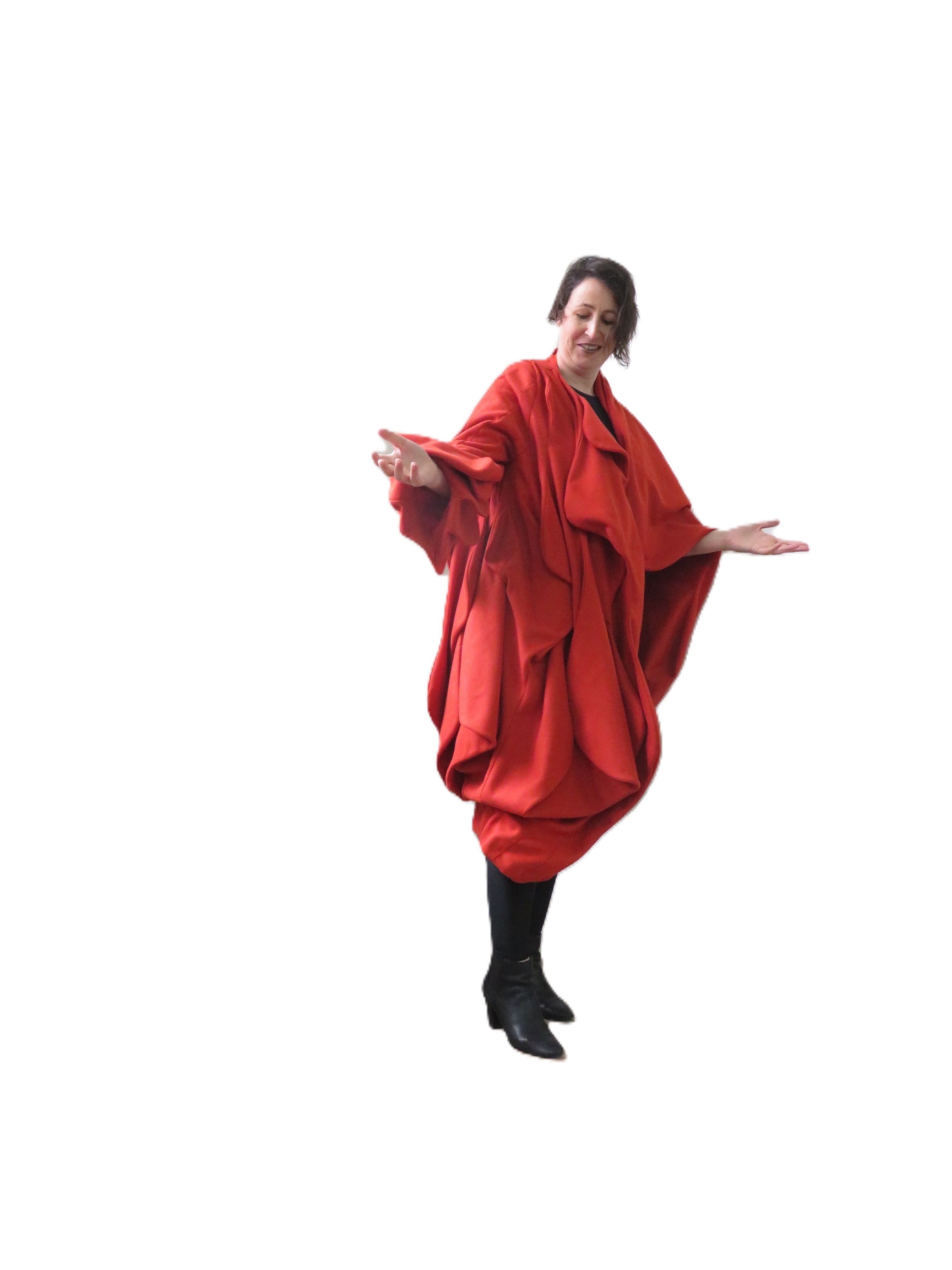
AJ Woodhouse wears former Otago Polytechnic fashion ākonga Eden Tuakana’s wool coat at Citizen...
AJ Woodhouse wears former Otago Polytechnic fashion ākonga Eden Tuakana’s wool coat at Citizen Stylist.
How we feel in our clothes is a part of Otago Polytechnic’s fashion department’s ongoing research into how people interact with their clothes. Some may remember a past iteration called "Citizen Stylist", which popped up in retail spaces through the city as a part of what is now the Dunedin Dream Brokerage scheme.

The public-facing "Citizen Stylist" invited people to experiment with styling various designs created by fashion students from Otago Polytechnic. Clothes were in some cases quite abstract. This resulted in some unexpected and exciting styling choices, and fun.
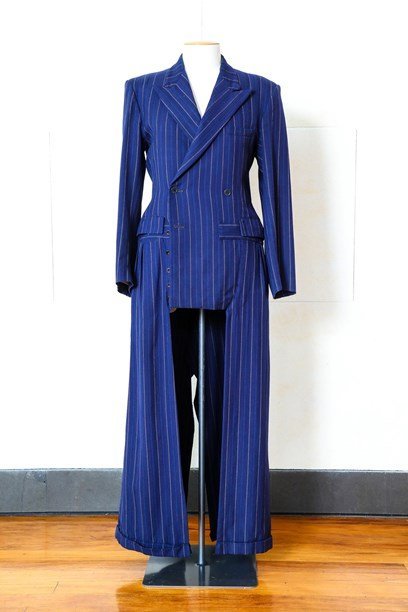
Sincerity coat, NOM*d Clarion collection, Winter 2001. Photo: New Zealand Fashion Museum online...
Sincerity coat, NOM*d Clarion collection, Winter 2001. Photo: New Zealand Fashion Museum online collection
Feedback from wearers who were asked to style themselves and reflect on the experience revealed the joy of dressing up with no expectation to buy the fashions. In another installation participants were asked for feedback on their favourite clothes in their wardrobes. Powerful emotional connections were uncovered between favourite fashions and family and friends, special events and memories.

I can confirm emotional connection is the case for the favourite in my wardrobe too. My most favourite garment, the NOM*d Sincerity coat, is a coat made by reworking a vintage Hallensteins menswear suit.
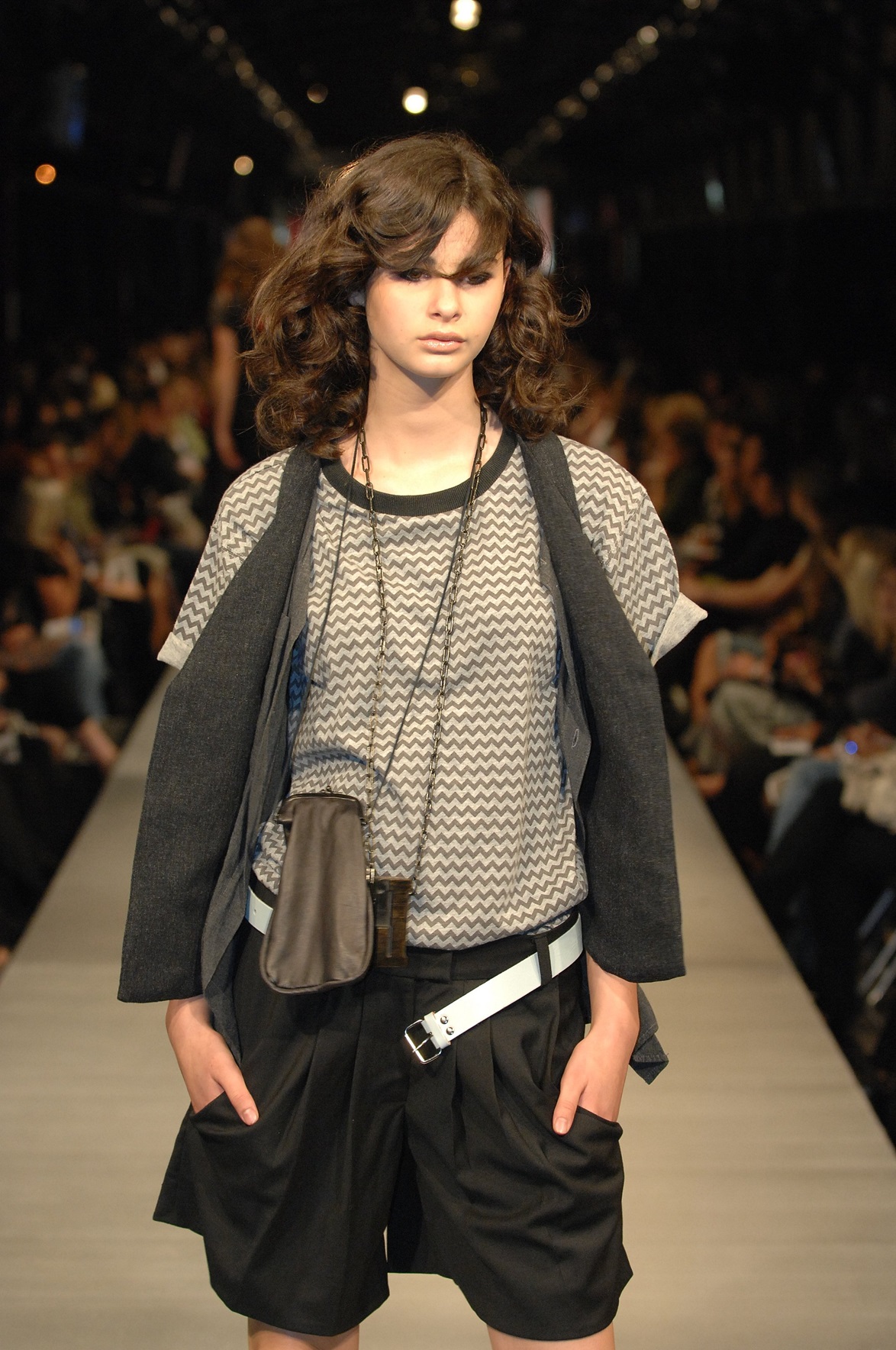
Helen Adam’s collection — BLIND, as shown in iD International Emerging Designer Awards 2007....
Helen Adam’s collection — BLIND, as shown in iD International Emerging Designer Awards 2007. Photo: Chris Sullivan, Seen in Dunedin
I have a connection to the designers, to the brand, and also to the history of the garment. The coat is heavy on my shoulders, I feel "official" when I wear it, especially when it’s buttoned up, like I’m wearing a uniform; my posture changes, and when I spin around, the legs now transformed into a swallow tail coat, spin out and feel light and breezy physically and emotionally. Thank you NOM*d’s Margarita Robertson and Sarah Aspinall who worked at NOM*d at the time.

Of our five senses, more often than not critiques and descriptions of fashion focus on sight, and visual aesthetics, a viewer’s point of view, either gazing at someone else, or looking in the mirror.

Fashion students clothes ready for Citizen Stylist. Photo: Justin Spiers
When you learn about fashion design at fashion school, one of the first points you learn about is the elements and principles of design as they apply to fashion, for example line, shape, colour, texture, rhythm, proportion, harmony. Besides texture, these are all related to what we see.

Fashion designers also think of the target market or "user", a term used often in product design, making sure the fashion is functional for the wearer. Funnily, with all the focus on visual aesthetics and functionality, we often ignore what it feels like to physically wear something.
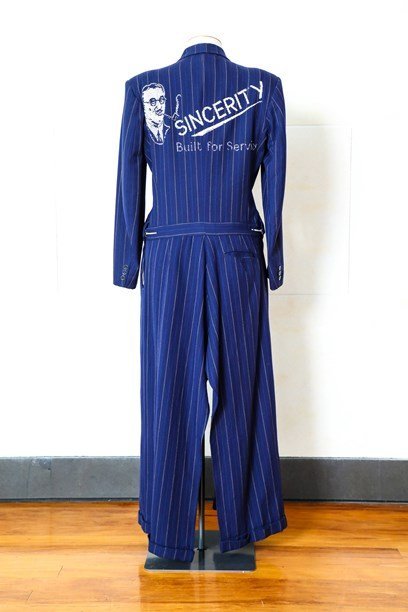
Sincerity coat, NOM*d Clarion collection, Winter 2001. Photo: New Zealand Fashion Museum online...
Sincerity coat, NOM*d Clarion collection, Winter 2001. Photo: New Zealand Fashion Museum online collection
So the aim of "The Languages of Wearing" interactive installation, by the Otago Polytechnic Fashion at the School of Design staff, is to prompt discussions about wearing clothes.

At drop-in sessions at Meridian Mall people will be able to dress up and experience some unique fashions, helping people perhaps become more mindful about their purchases in the process, and to have fun.

Helen Adam’s collection — BLIND, as shown in iD International Emerging Designer Awards 2007....
Helen Adam’s collection — BLIND, as shown in iD International Emerging Designer Awards 2007. Photo: Chris Sullivan, Seen in Dunedin

TO SEE:

"The Languages of Wearing", Meridian Mall, March 12, March 18 and March 19, 4pm to 6pm.