Winter-flowering shrubs may have fantastic perfume, Gillian Vine says.
This is the season to take a deep breath when in the garden, as scented winter-flowering shrubs come into their own.
To really appreciate these perfumed beauties, grow them in semi-shade close to paths - but take into account their eventual size.
Ten of the best are.-
1. Wintersweet (Chimonanthus praecox) needs a cold winter to do well and on bare twigs produces little bell-shaped flowers in almost translucent lemon-yellow with dark centres. The scent is slightly spicy, giving rise to the name Japanese allspice.
2. Mexican orange blossom (Choisya ternata) gets its common name from the fact that the flowers smell a bit like citrus. It is one of the most popular temperate-climate shrubs and is easy to propagate from cuttings taken in autumn.
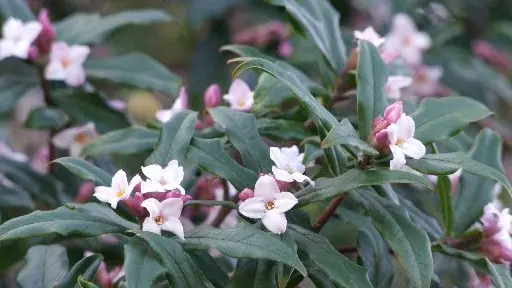
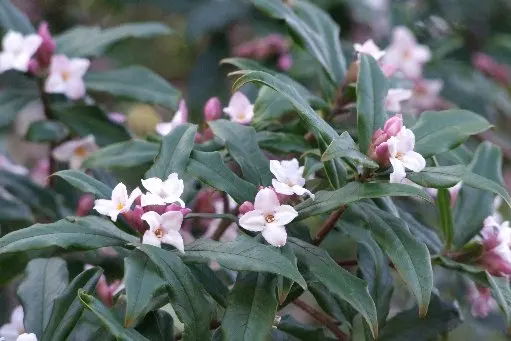
3. Daphne bholua is one of some 40 species of the plant named after the nymph who, trying to escape the attentions of Apollo, was turned into a pretty flowering shrub by her father, the the river god Peneus. D. bholua is evergreen and will grow into a small tree, about 4m tall.
4. Daphne mezereum is deciduous and the pink flowers appear in July, well before the leaves appear. Like most daphnes, it does best in semi-shade in lime-free soil and is hardy to at least -8degC. They are easy-care plants, too, needing little or no pruning. A word of warning: daphne berries are poisonous.
5. Drimys winteri comes from South America and will grow to 7m but needs a moist climate to do really well. The flowers of this evergreen are ivory in colour and borne in clusters. There is a similar-looking Tasmanian species, D. aromatica, which is rarely seen in nurseries here. In the wild, D. aromatica grows to about 2.5m but tends to be smaller in a garden situation. The seeds of this species are sometimes used as a pepper substitute.
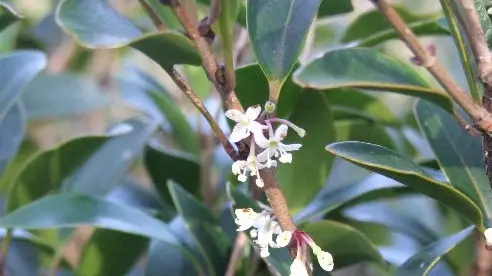
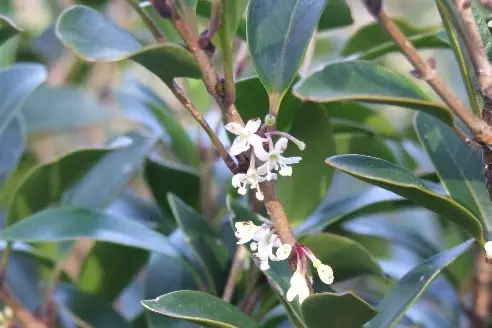
6. Osmanthus heterophyllus looks rather boring, although the glossy evergreen leaves make it suitable as a hedging plant. In midwinter the tiny flowers appear, exuding a perfume out of all proportion to their bloom's size, which the Chinese use to flavour expensive teas.
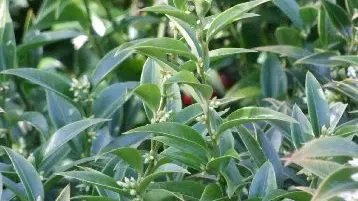
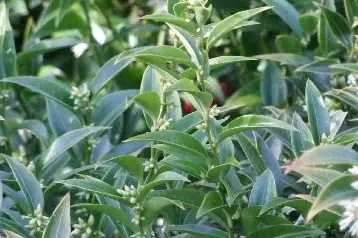
7. Another plant with almost invisible flowers, Chinese sweet box (Sarcococca ruscifolia) is a hardy evergreen that will spread widely if grown in damp soil in a semi-shaded spot. It will reward the gardener in winter with perfume that can be smelled several metres away from the plant. The berries are usually black but sometimes ripen bright red. Easily grown from cuttings or seed sown in autumn.
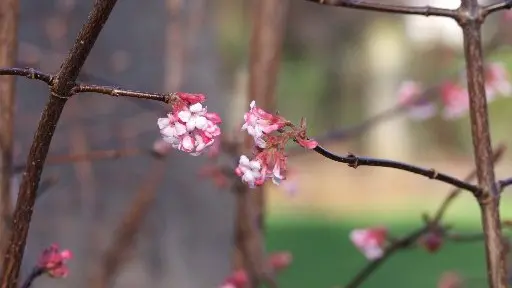
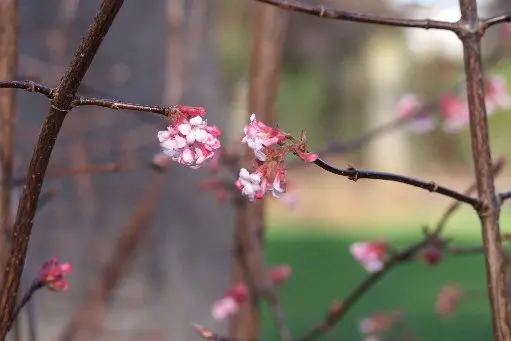
8. The spherical heads of the snowball viburnum are the most familiar, but for winter perfume, Viburnum x bodnantense is the one to seek out. The pale pink flowers on bare branches are sweetly scented and the shrub is tall enough (about 2m) for you to get a good sniff without bending. Grow them in sun or semi-shade in fertile soil that is not allowed to dry out in hot weather.
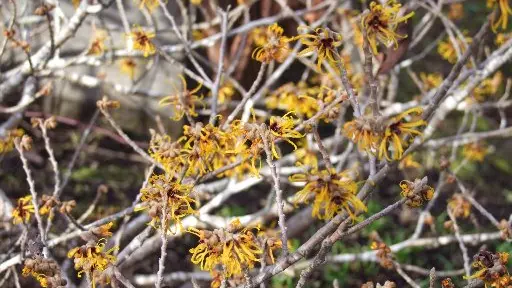
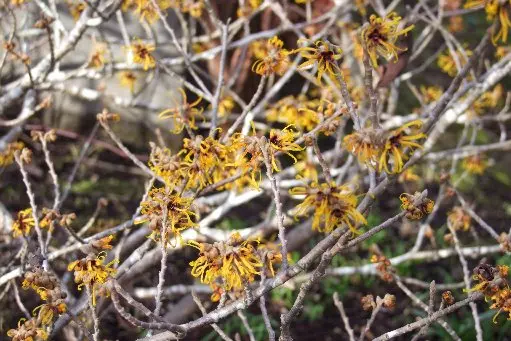
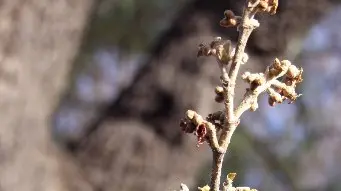
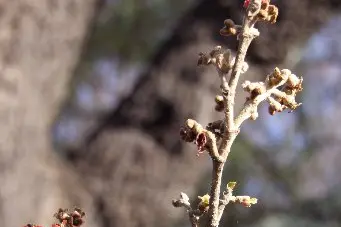
9. The little tasselled flowers of witch hazel (Hamamelis x intermedia) may be lemon, yellow, orange or red, thanks to modern cultivars that have extended the colour range from the original pale gold. Look for Arnold Promise (lemon-yellow flowers), Pallida (acid yellow), Diane (dark orange) and Jelena (dark red).
10. Bringing up the rear, as it were, are the scented rhododendrons, flowering from late winter and into spring. Apart from the popular Fragrantissimum and Princess Alice, look for locally bred September Snow, which can be used to make an informal hedge whose perfumed white flowers are its main feature. Like all rhododendrons, these varieties need moist soil - but with good drainage to prevent root rot - and no lime.