
PHOTO
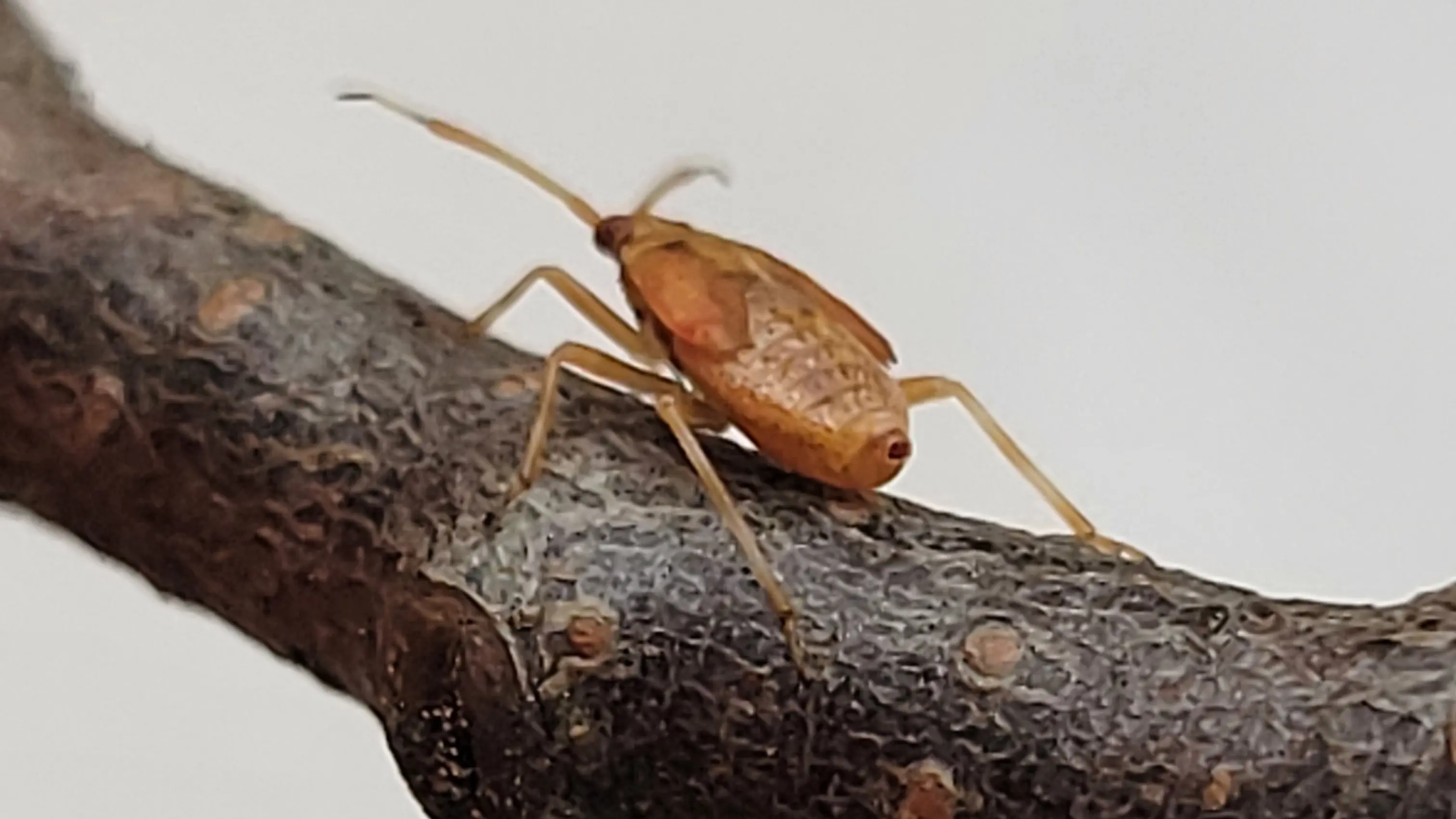
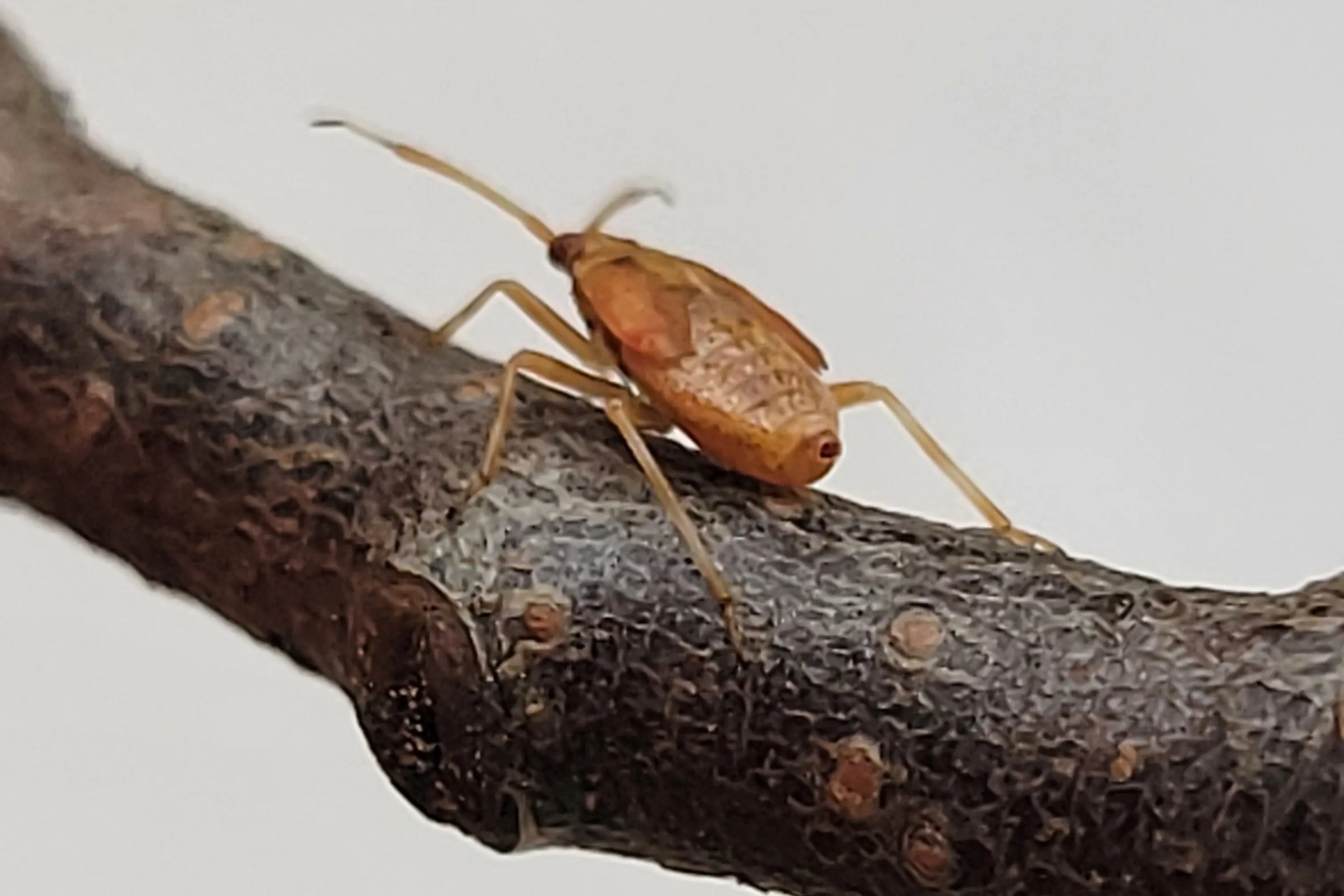
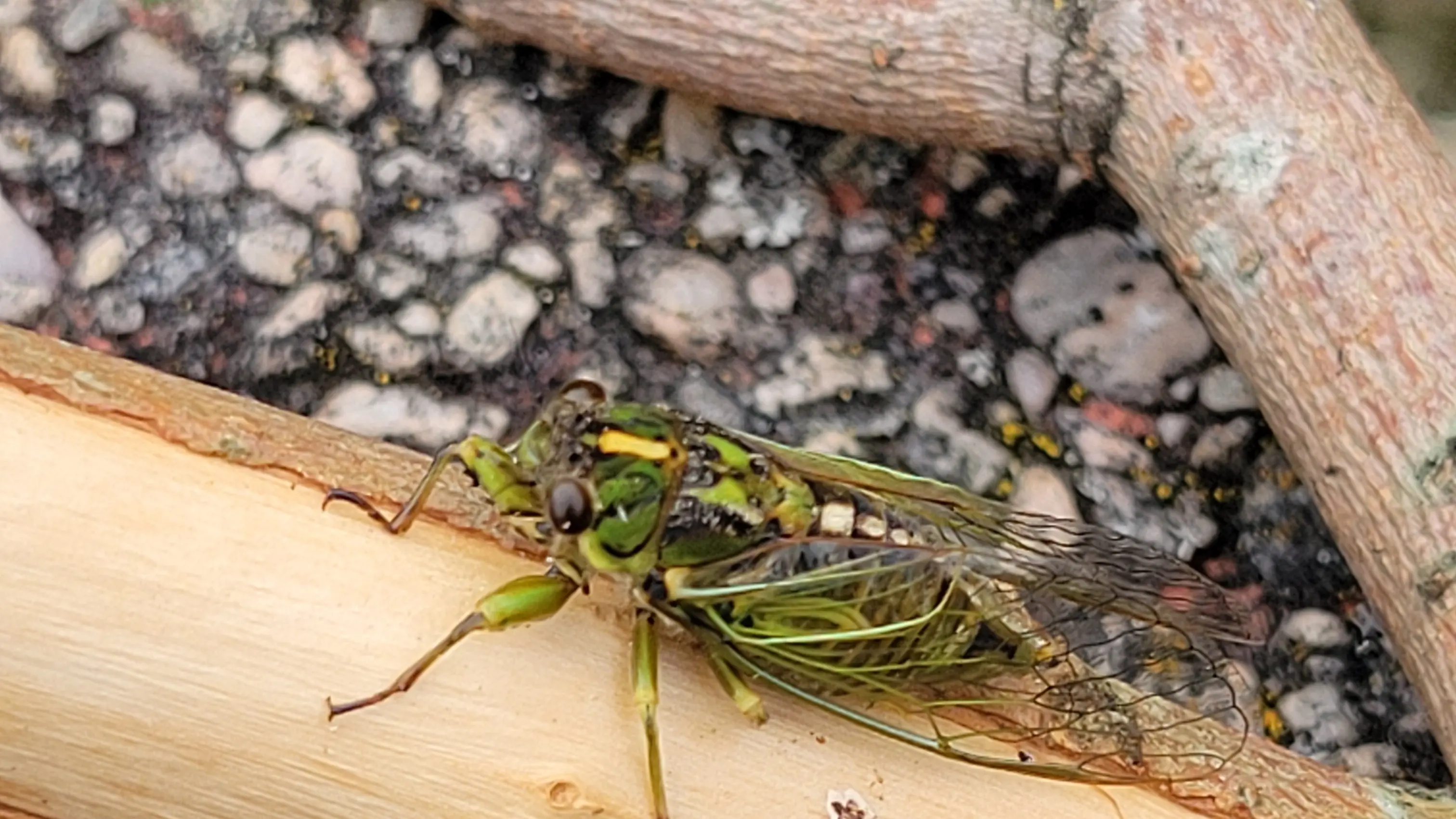
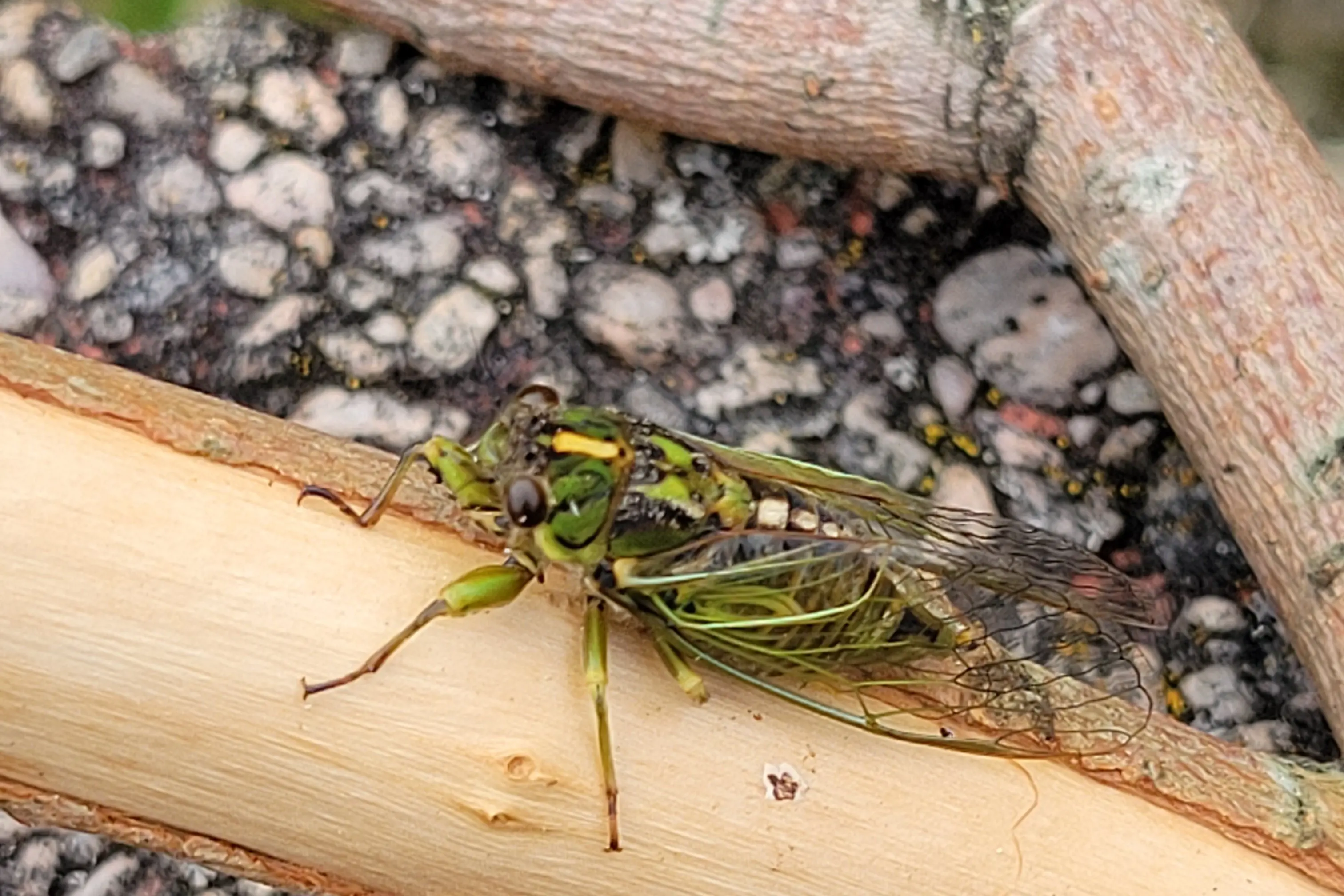
You don’t have to work hard to create the perfect home for invertebrates in your garden, writes Maureen Howard.
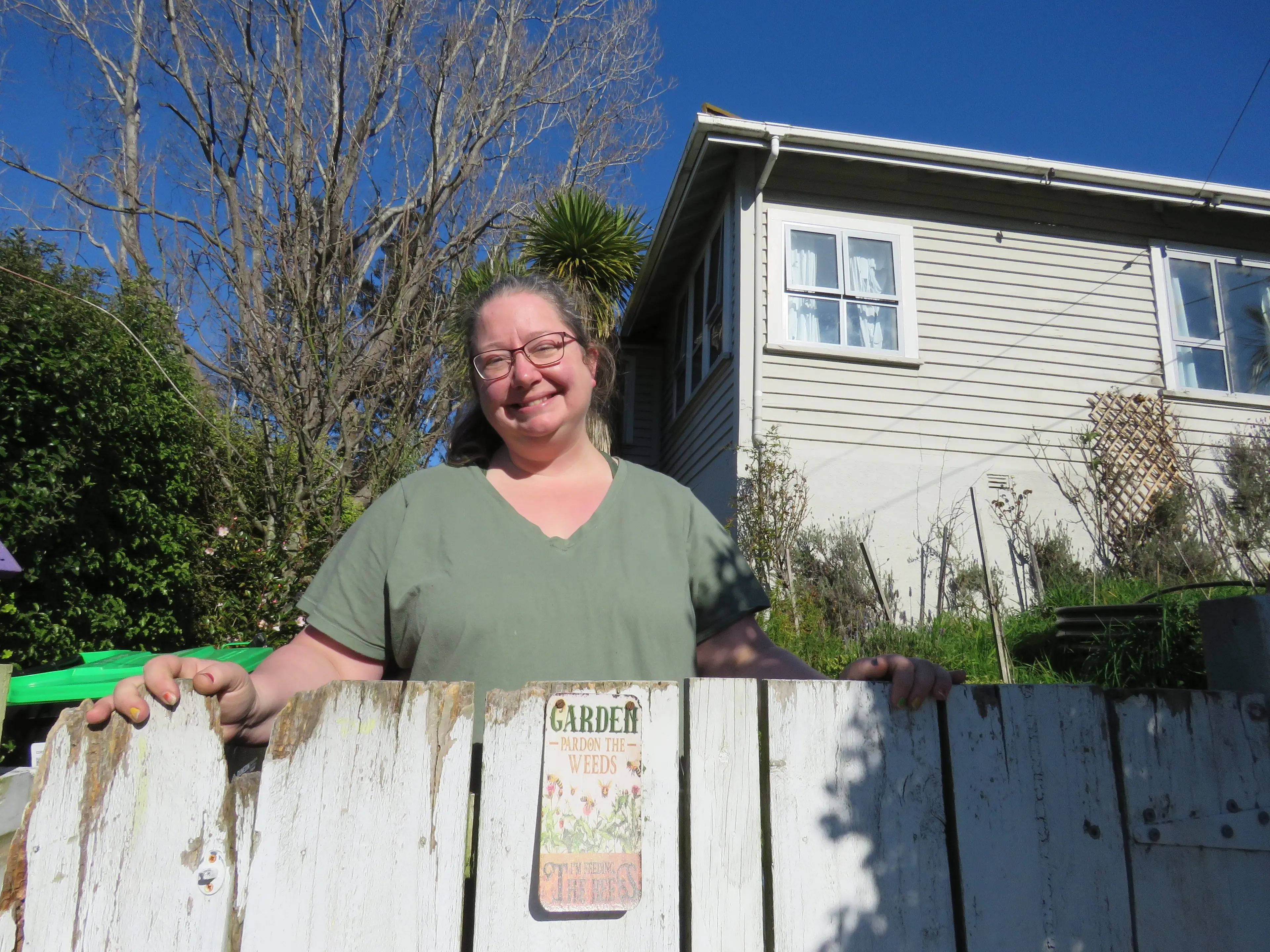
The ‘bee-friendly’ sign on the gate signals I’ve come to the right place. Otago University senior lecturer Dr Jenny Jandt lives on a suburban section in Corstorphine, Dunedin.
Here Jenny grows fruit, vegetables and flowers, while around about, the grass is allowed to grow, weeds are left to flower and five hens forage across the garden enjoying the plentiful invertebrates that live there.
Globally, invertebrates make up close to 97% of all animal species and perform essential services such as pollinating flowers, aerating soil, consuming pests and decomposing dead plants. In Aotearoa, the vast majority of our invertebrates are native and endemic: researchers have identified more than 22,000 species of arthropods alone, reports Maanaki Whenua.
Jenny says gardens offer a better environment for invertebrates when they include at least three vegetation layers — ground cover, shrubs and the occasional tree. The invertebrates will arrive by themselves, she says.
"My rule is just to create the space."
Invertebrate-friendly gardens require less mowing, weeding, raking, watering and ideally zero chemical inputs. Under this regime, longer grass remains more humid at the base for ground-dwelling invertebrates, flowering weeds offer nectar for flying insects, fallen leaves provide shelter and food, and the groundcover reduces water loss.
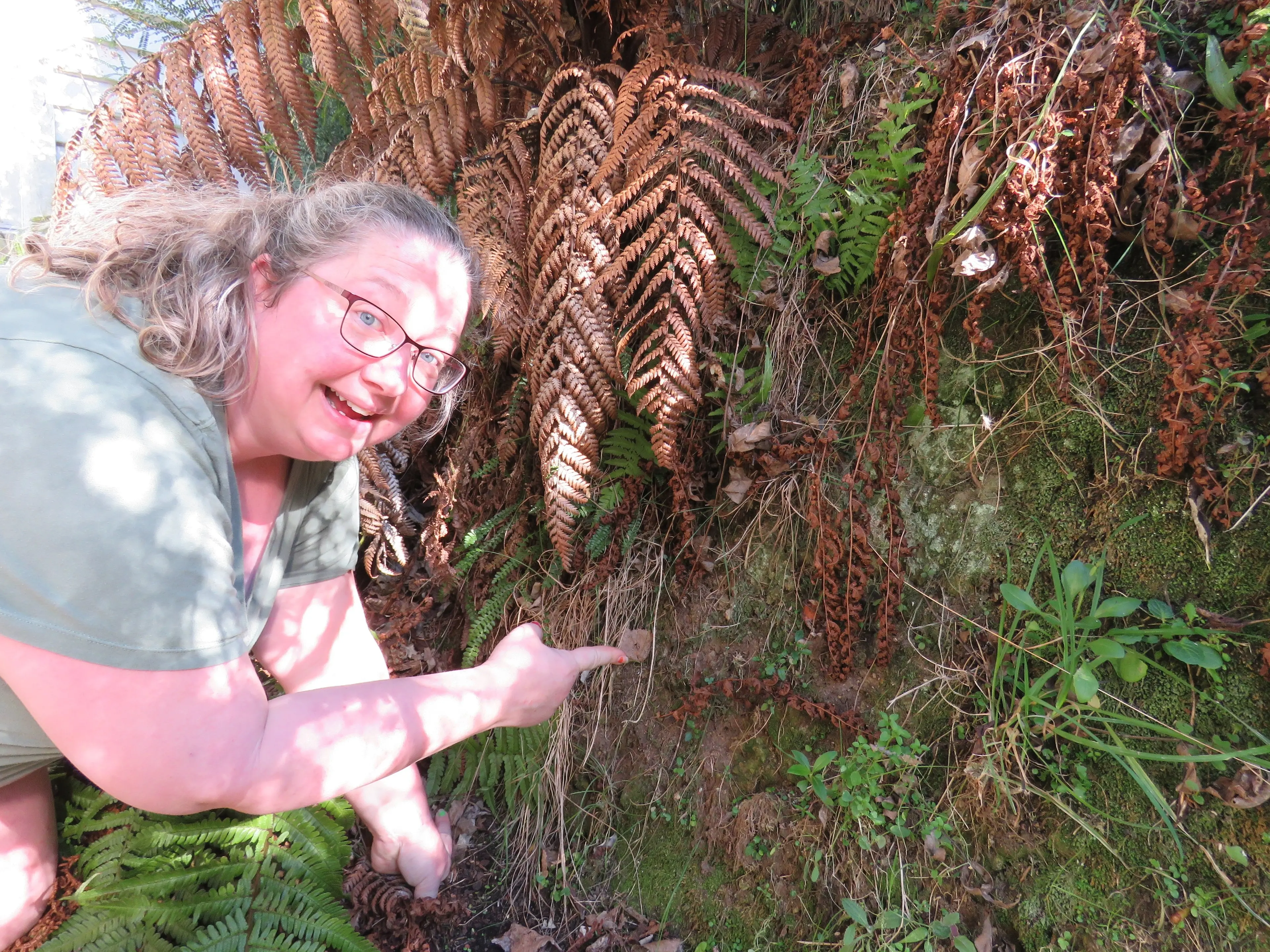
Many invertebrate species feed on dead and decaying plants. In addition to putting her excess plant material in the compost or feeding to the hens, Jenny lets the clippings of native plants drop to the ground.
"There’s lots of bugs in those plants that I don’t want heading off to the green bin," she says.
To help neighbours understand these actions are intentional, grass can be mowed around the edges or a sign put up. When Jenny noticed the grass growing longer on the berm outside her property she contacted the Dunedin City Council to thank them. If we don’t mow, "everything is just so much better", she says.
We don’t know how New Zealand’s invertebrate populations are doing or have changed over time. However, "there is strong evidence that insect richness and abundance are declining due to climate change" molecular

ecologist Dr Richard O’Rorke, of the University of Auckland says. Richard and his research associate, Dr Aimee van der Reis, have, since mid-2025, been using eDNA technology to co-develop and run a citizen science study called the DNA Drive Project. For this study, around 6000 swabs are being collected from around the country of the tiny pieces of DNA left behind by flying insects when they collide with the number plates of moving vehicles. There’s still time for you to get involved before the data is analysed in March.
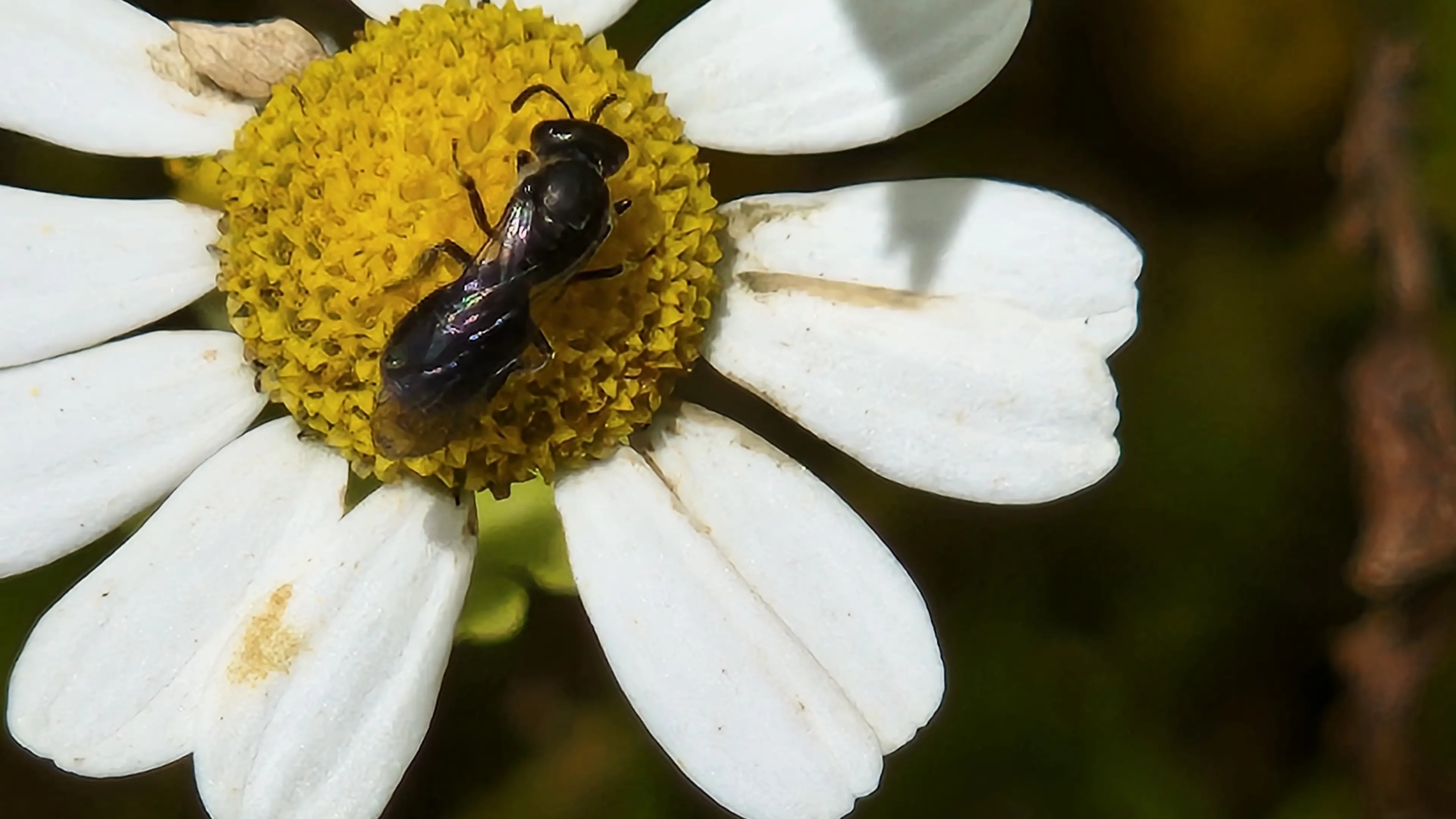
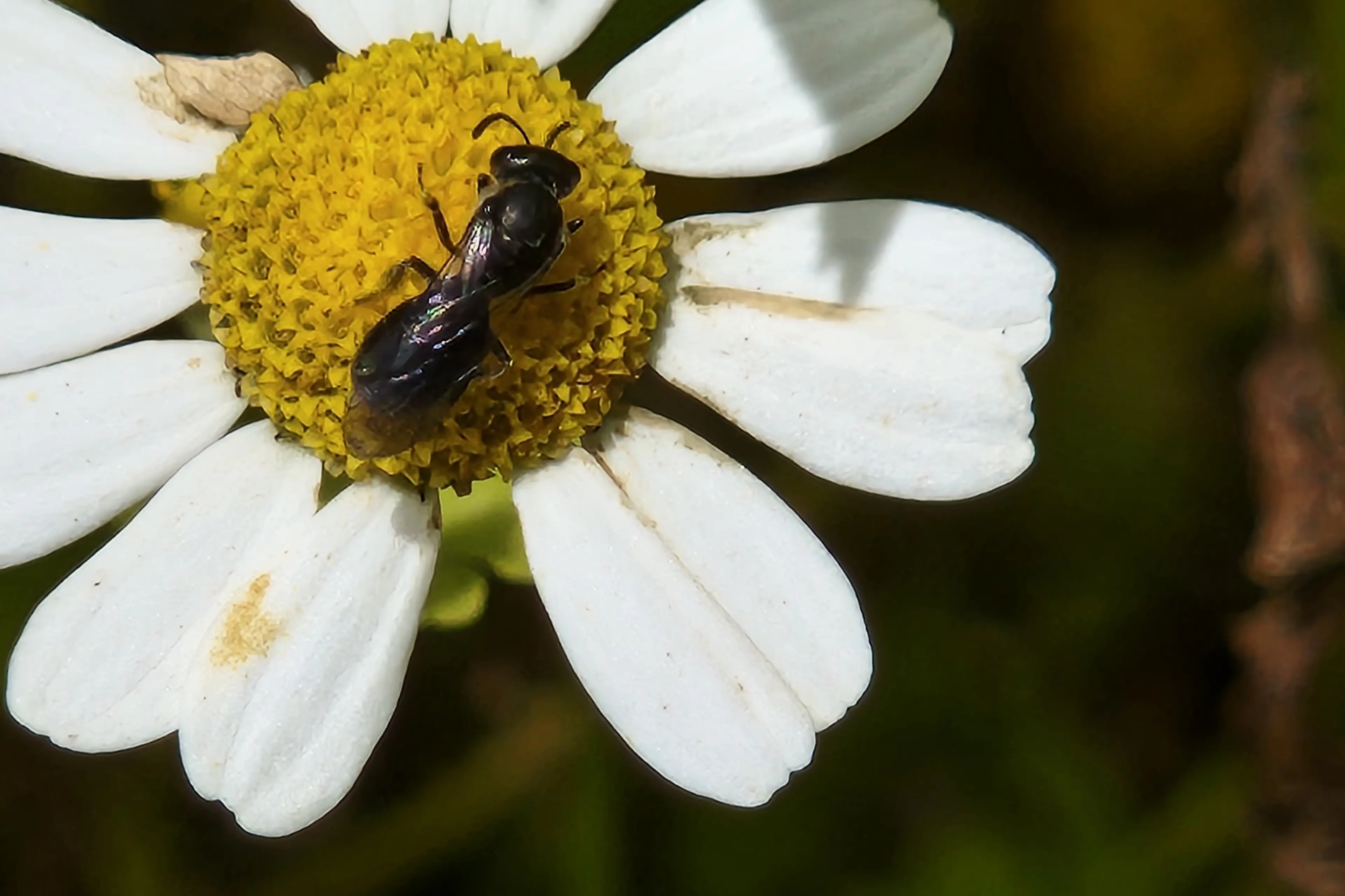
The iNaturalist app is an excellent way to identify the invertebrates living in our gardens and to contribute to citizen science. Jenny and her students have used this tool to help them locate and study the nesting ecology of native bees.
"If you see native bees in your garden it’s a good sign that you are doing something right because [it means] they are able to nest nearby," she says.
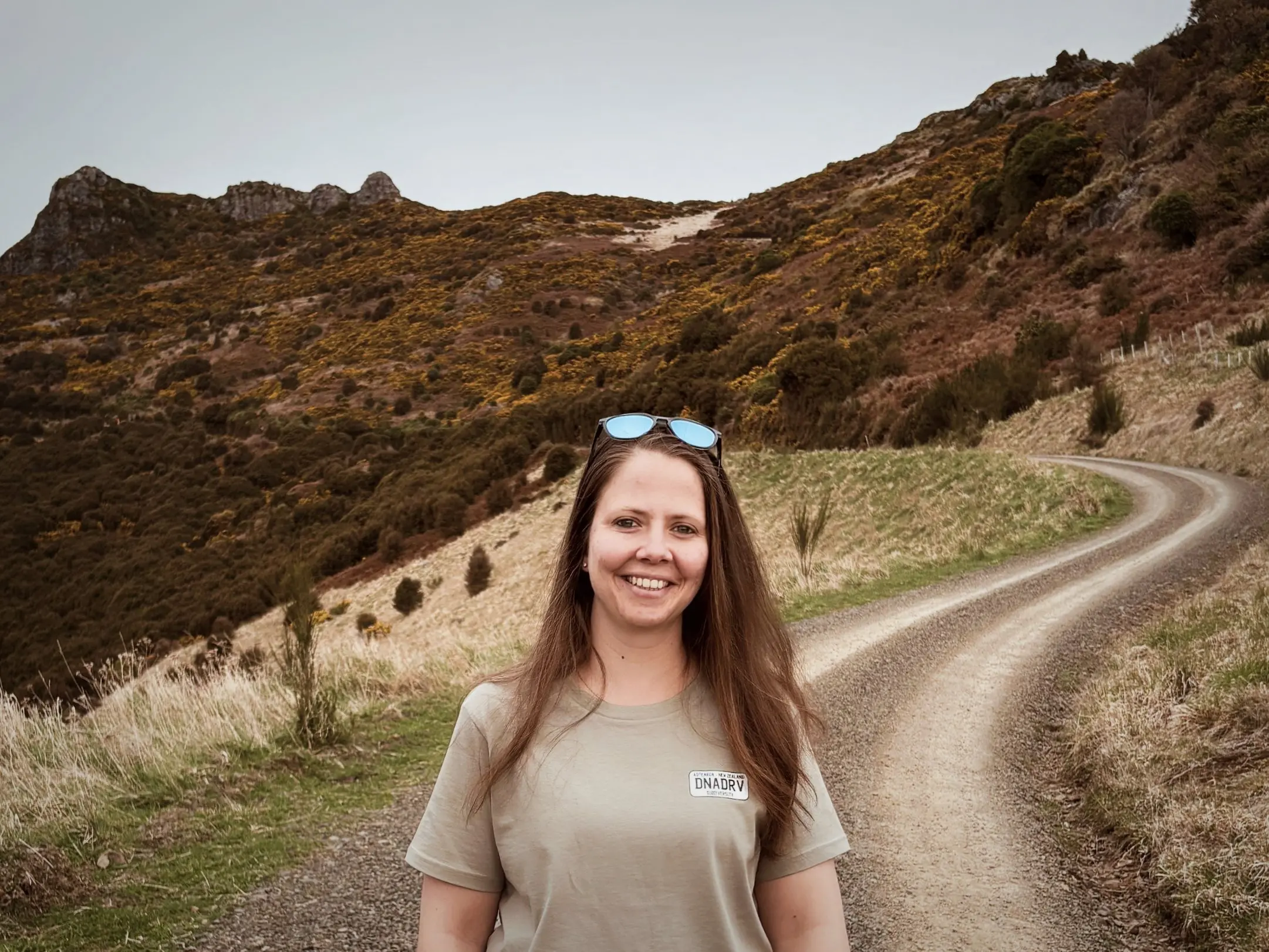
Wildlife-friendly gardens provide stepping stones for invertebrates to move around locally and, over time, longer distances. Looking to the future, Jenny has planted a number of makomako/wineberry trees, a host plant for the puriri moth that currently only lives in the North Island.
"I’m getting myself prepared down here because with global climate change eventually those moths are going to need to travel south and, oh boy, will this property be ready for them in 20 or 30 years!"
■ Dr Maureen Howard is the senior education co-ordinator with Town Belt Kaitiaki, and the creator and host of the podcast series Rewilding in Action, with Otago Access Radio.