
PHOTO
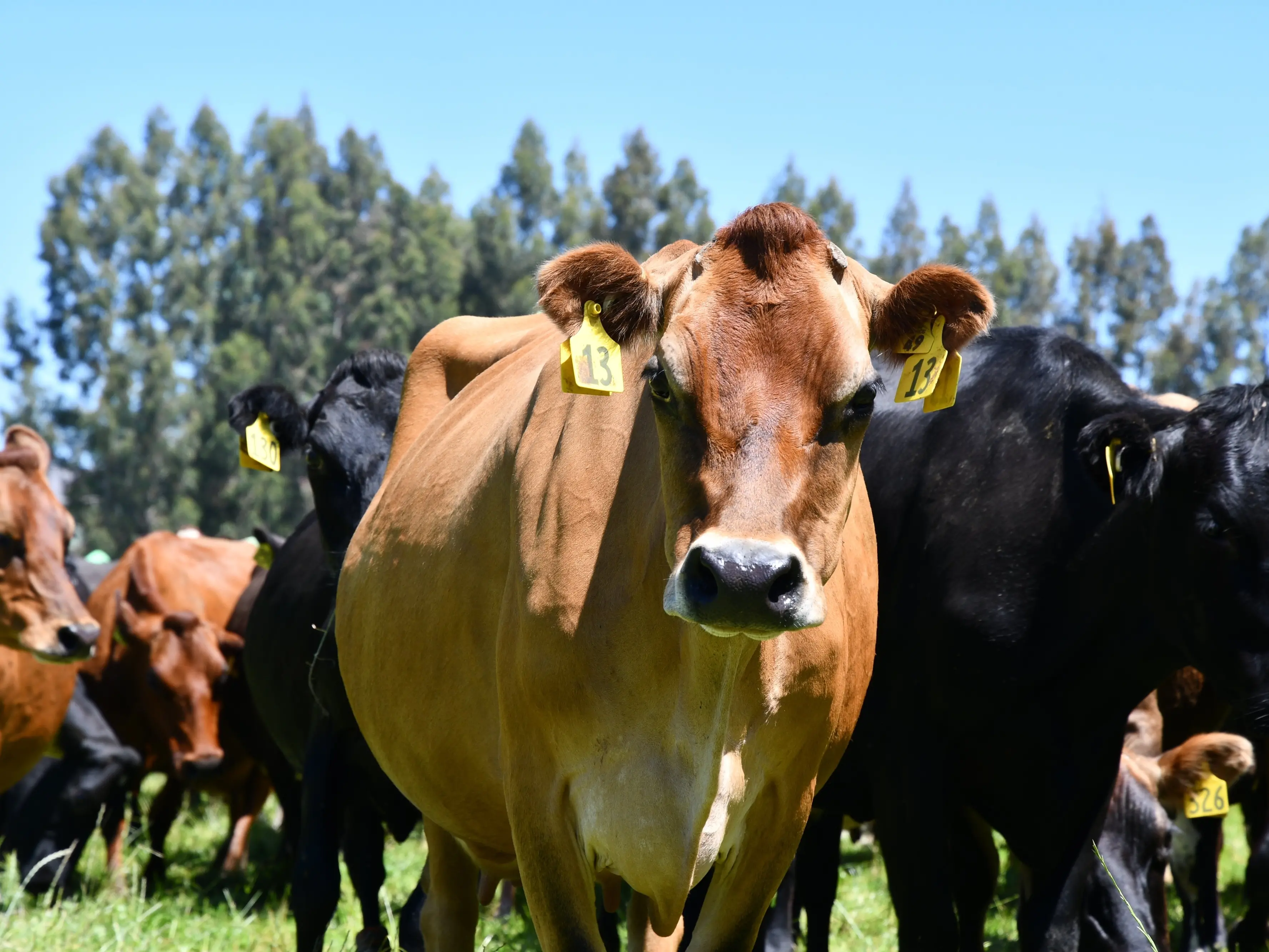
There are many myths that surround agriculture in Aotearoa New Zealand. One of the most persistent is that the agricultural sector operates based on the ‘‘free market’’ and is subsidy-free. Certainly, the reforms in the 1980s removed many direct supports to farmers and paved the way for increased intensification of land use to capture economies of scale. The environmental implications of this approach are substantial and the failure to pay for the environmental costs is a significant subsidy.

Public funding and regulatory support underwrite irrigation expansion, helping drive productivity gains while increasing environmental pressure. Meanwhile, the sector remains largely shielded from the costs other industries face. It is excluded from the Emissions Trading Scheme (ETS), does not pay for its methane emissions and bears little financial responsibility for polluting waterways. In effect, agriculture operates within a system of implicit subsidies that dull the incentives to change.
Nowhere is this more stark than in the way we treat agricultural emissions. Agriculture accounts for roughly half of Aotearoa’s greenhouse gas emissions, yet the path to reducing those emissions are still uncertain. Much of the current strategy hinges on technological breakthroughs that are not yet proven at scale - gene-edited livestock, methane-inhibiting vaccines and feed additives are some examples. While promising, these solutions remain speculative, their uptake remains uncertain and relying on them risks delaying action that could be taken today.
At the same time, the sector is increasingly vulnerable to the very climate impacts it helps drive. Extreme weather events - floods, droughts and storms - are becoming more frequent and severe, inflicting costly damage on farms and rural infrastructure. Each time disaster strikes, calls for government assistance follow. The cycle is familiar - emissions contribute to climate change, climate change drives damage and taxpayers step in to help clean up.
Against this backdrop, the government’s recent decision to weaken methane reduction targets can also be seen as a subsidy. Acting on advice from the Climate Change Commission, earlier targets called for a 24-47% reduction in methane emissions from 2019 levels. That ambition has now been scaled back to 14-24% by 2050. The stated rationale - supporting farmers and economic growth - undermines the credibility of New Zealand’s climate commitments.
These changes do not stand alone. They follow the decision to keep agriculture out of the ETS, while deferring any form of pricing for agricultural emissions until at least 2030. In the meantime, the government is investing heavily - $400 million - into research and development aimed at reducing on-farm emissions that may materialise in the future, but do nothing to reduce emissions now. We can think of this as subsidised inaction.
More recently, industry groups have argued that farmers should be paid to adopt methane-reducing technologies once they become available. Their case rests on a familiar premise: productivity is paramount, and farmers will not adopt new practices unless they clearly enhance profitability. But this argument deserves scrutiny. If reducing emissions is a public good - and it unquestionably is - then the burden should not fall disproportionately on others while the sector responsible avoids meaningful change.
The broader consequence of inaction is that the burden of emissions reduction shifts elsewhere. If agriculture does not pull its weight, deeper cuts will be required from transport and energy sectors, and by households. That is neither equitable nor efficient. It is another indirect subsidy and it risks eroding public support for climate policy altogether.
Yet it would be wrong to suggest that all farmers are resisting change. Across the country, many are already taking the initiative - often ahead of policy. Some are reducing reliance on synthetic fertilisers, adopting regenerative practices that build soil carbon, planting marginal land in native trees and electrifying farm operations with on-site renewable energy. These efforts point to what is possible when innovation and stewardship align.
Global market pressures are also beginning to drive change. International consumers and major food companies increasingly demand lower-emission products. Fonterra and Nestle, for example, have partnered on a net-zero pilot dairy farm in Taranaki. Through improvements in breeding, feed management and effluent systems - alongside solar-powered infrastructure and on-farm carbon sequestration - the project has achieved a 23.5% reduction in absolute emissions since 2021.
Similarly, Silver Fern Farms now offers a net carbon-zero product range, with emissions offset through on-farm tree planting. Farmers are financially rewarded for the carbon their land sequesters, demonstrating how incentives can be structured to encourage positive change.
These examples show that progress is not only possible - it is already under way. But voluntary action, isolated pilots or specialised product ranges are not enough. Without a coherent policy framework that aligns incentives across the entire sector, New Zealand risks falling short of its climate goals while placing an unfair burden on others.
If we are serious about climate leadership, agriculture cannot remain an exception. That means setting credible targets, pricing emissions in a fair and transparent way and supporting farmers through the transition - not shielding them from it.
• Sean Connelly is an associate professor in the University of Otago School of Geography. Each week in this column writers address issues of sustainability.