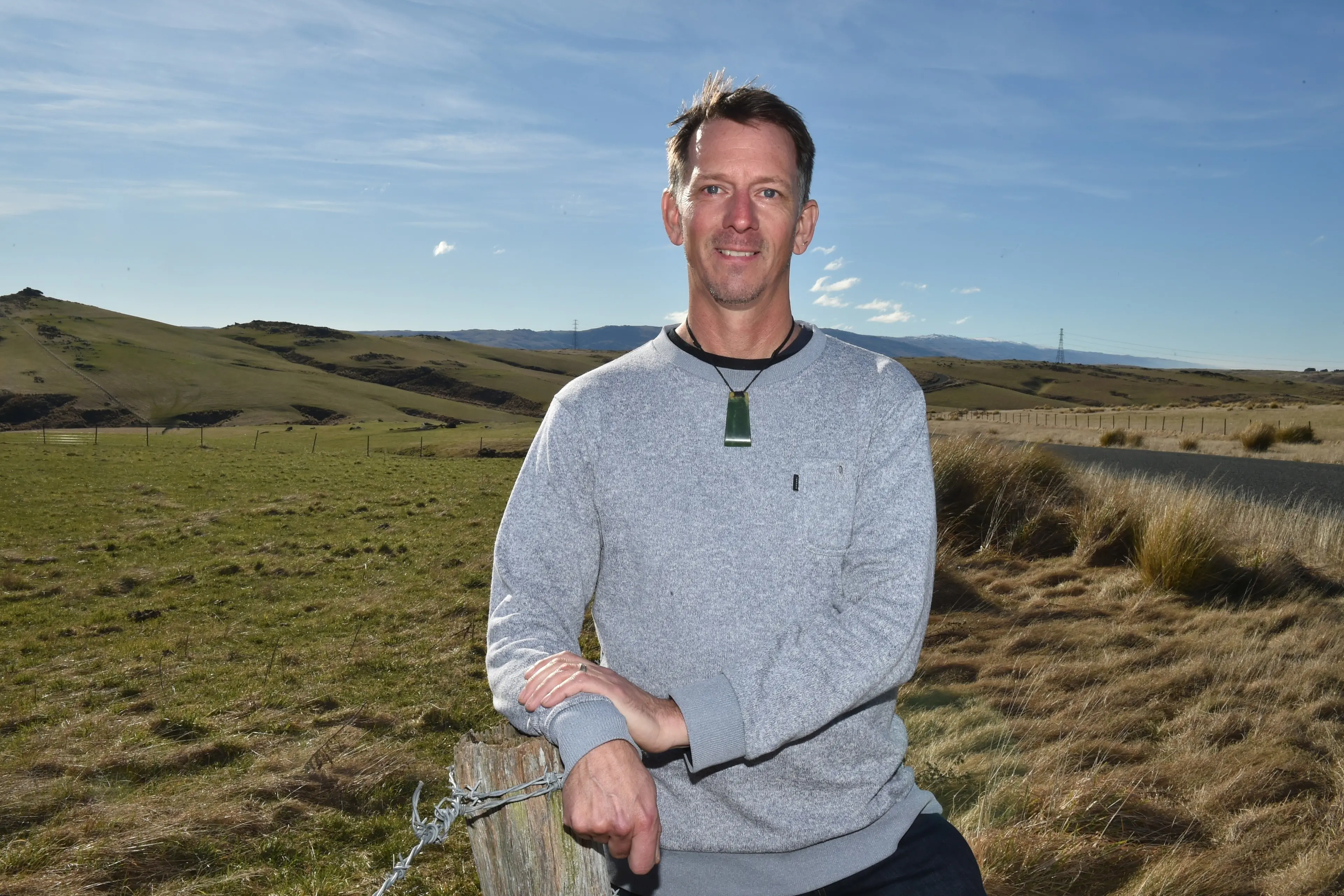
A $3 billion planned pumped hydro scheme on the edge of Dunedin will create power when others can not and bring a consistent and more effective electricity system. Sutton Pumped Hydro is a partnership formed to develop a pumped hydro energy storage scheme 15km south of Middlemarch, in Otago. The project is to construct a 720MW closed-loop scheme. It is situated near the Loganburn reservoir and will use water from Sutton Stream. The project would be built across three rural properties and agreements had been reached with landowners. The driver behind the proposal is Dunedin man Dougal McQueen, an energy engineer, who did a PhD in wind farm variability. He said he had been working on the idea for about two years, had always been keen on pumped hydro and said the proposal was a back-up or firming option for wind and solar energy. It was a good site for a pumped scheme and had many advantages. “It’s the ability to shift water, ability to pump water uphill without having to pump it over a long distance,” he said. “Then having a what’s called closed-loop scheme, so that we’ve got reservoirs top and bottom — once it’s full of water, it’s not taking any more water.” The powerhouse would be underground and the dams in gullies, so most of the infrastructure would be hidden. The majority of the $3b cost would be spent locally on construction. The scheme would operate round the clock without water use constraints and a lifespan of more than 100 years. The scheme acted as a battery, absorbing excess power when the wind was blowing or the sun was out, and provided electricity across evening peaks and during calmer or cloudy periods. Dr McQueen said he saw his scheme as a rival to the Lake Onslow battery project. A proposal to revive the $8b Lake Onslow scheme through private investment is being prepared for a full application to a fast-track panel. Dr McQueen thought Onslow was not the correct approach and favoured a more diversified approach. Pump hydro schemes supported the overall system to operate consistently and effectively. Depending on transmission lines, the scheme could produce 360MW or 720MW, he said. Finance would involve investment from other parties and some preliminary talks had taken place. Interest was from those who wanted to develop renewables, bring competition to the electricity market and secure power supply. Ultimately, the viability of the project would depend on the amount of wind and solar projects built and by whom, Dr McQueen said. “We’re really requiring the wind and solar to be built by buyers other than the main gentailors. They have contracts with themselves for capacity within their hydro. “We’re looking at effectively supporting new market entrants … and there’s a lot happening. In my other life, I’m a wind energy engineer. So I’ve been working on many very large projects and leading engineering on some of those. “There’s a lot of resource out there. I mean, we are the Saudi Arabia of wind, it’s a commonly used term. There is no lack of wind.” The two reservoirs would cover 500ha. Consent and finance would take up to five years and construction would the take another few years, so the project might not be up and running until 2035. “But it is hard to say; how long is a piece of string? We’re just at the start of this game here. It’s going to be a timeline to raise the capital, do the desktop studies, to get enough confidence to take it forward to consent.” The partnership is led by Dr McQueen, with support from electrical engineer Patrick Hyland, governance professional Justine Gilliland and the landowners.