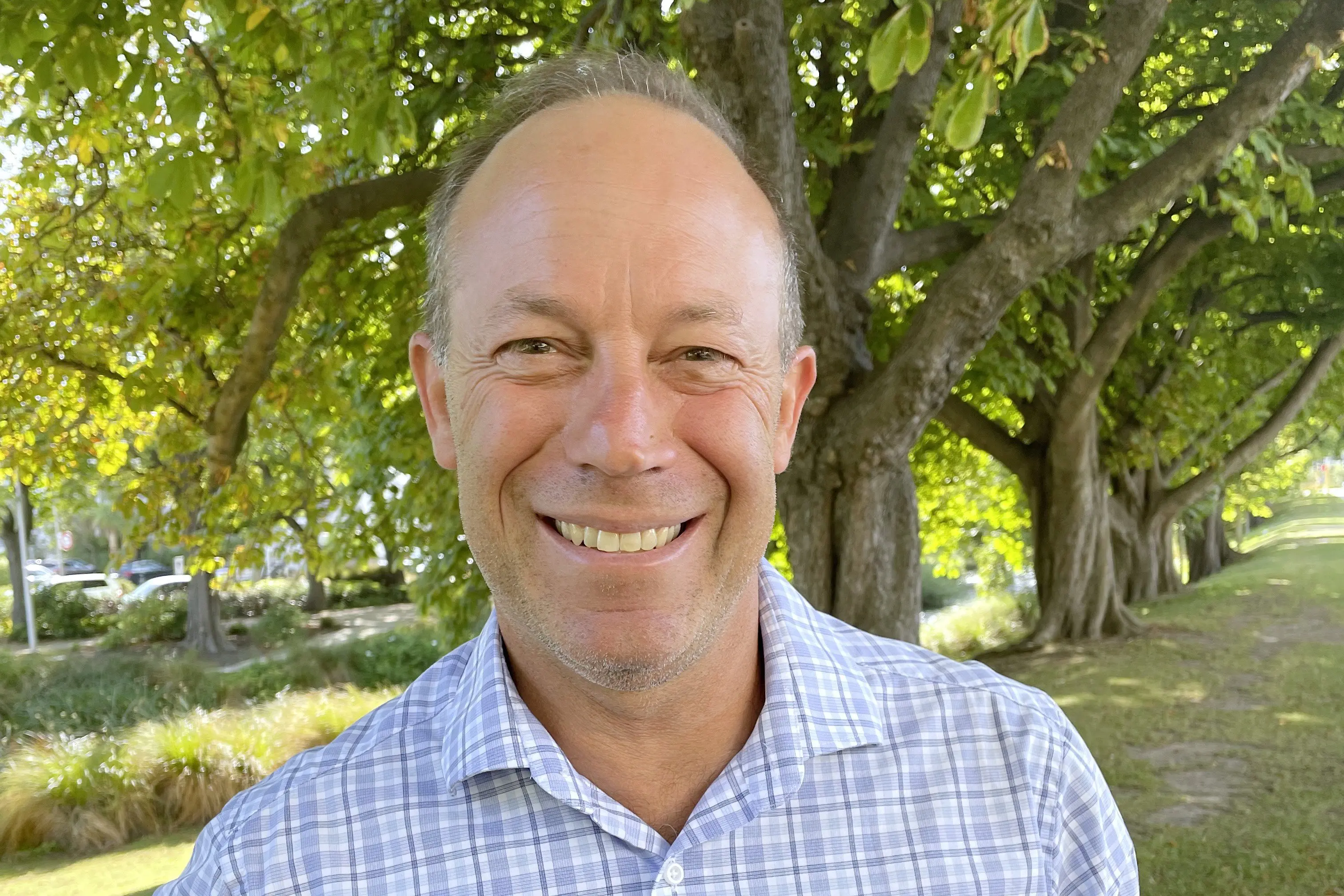
New Zealand’s first examination of autism diagnosis trends across the country has found the disorder has more than tripled over the past 15 years. More than 30,800 people with autistic spectrum disorder (ASD) were identified during the University of Otago (Christchurch) Faculty of Medicine-led study, and there was no evidence to suggest the increase was slowing. Now the researchers are warning the country's health and disability services need to prepare for continued growth in demand for support. Study leader and Otago psychological medicine researcher Associate Prof Ben Beaglehole said the research analysed three national health and disability databases between 2009 and 2023, creating the most comprehensive picture yet of ASD prevalence across New Zealand’s population. It showed that by 2023, 1.3% of New Zealand children and 0.14% of adults had an ASD diagnosis recorded in national databases, and increases were recorded across all age groups, genders and ethnicities. While the findings reflected international trends, they also carried important implications for New Zealand, he said. “While we've known autism diagnosis rates in children have been increasing, our study shows the same pattern is also occurring in adults, and we found no evidence the trend is beginning to plateau.” Most diagnoses were recorded through the national disability support database, highlighting the increasing demand for disability services alongside health care. He said one of the study’s most significant findings was the continuing rise in adult diagnoses. “Autism has traditionally been viewed as a childhood condition from a research perspective. “However, it is in fact, a lifelong disorder, with demand likely to occur throughout the lifespan. “We're also seeing adults who are receiving a diagnosis later in life. That means adult health services need to build greater expertise and capacity to support this growing population.” The study also found ASD diagnoses remained more common among males, but diagnoses among females had increased at a faster rate than males over the past 15 years. Diagnosis rates among Māori also increased almost five-fold and had overtaken non-Māori by 2023. Higher diagnosis rates were also seen in more socio-economically deprived communities. Assoc Prof Beaglehole said reasons for the increasing ASD diagnoses were likely to be complex, and unlikely to be explained by genetic change alone. “It's unlikely there's a single explanation. “Increased awareness, broader diagnostic criteria, better access to assessment and changing patterns of healthcare-use are all likely to be contributing. “There may also be broader environmental and societal influences that we don't yet fully understand,” he said. To keep up with demand for autism-related services, he said there needed to be more investment in workforce training, improving service planning and ensuring both child and adult services were equipped to provide appropriate care. john.lewis@odt.co.nz