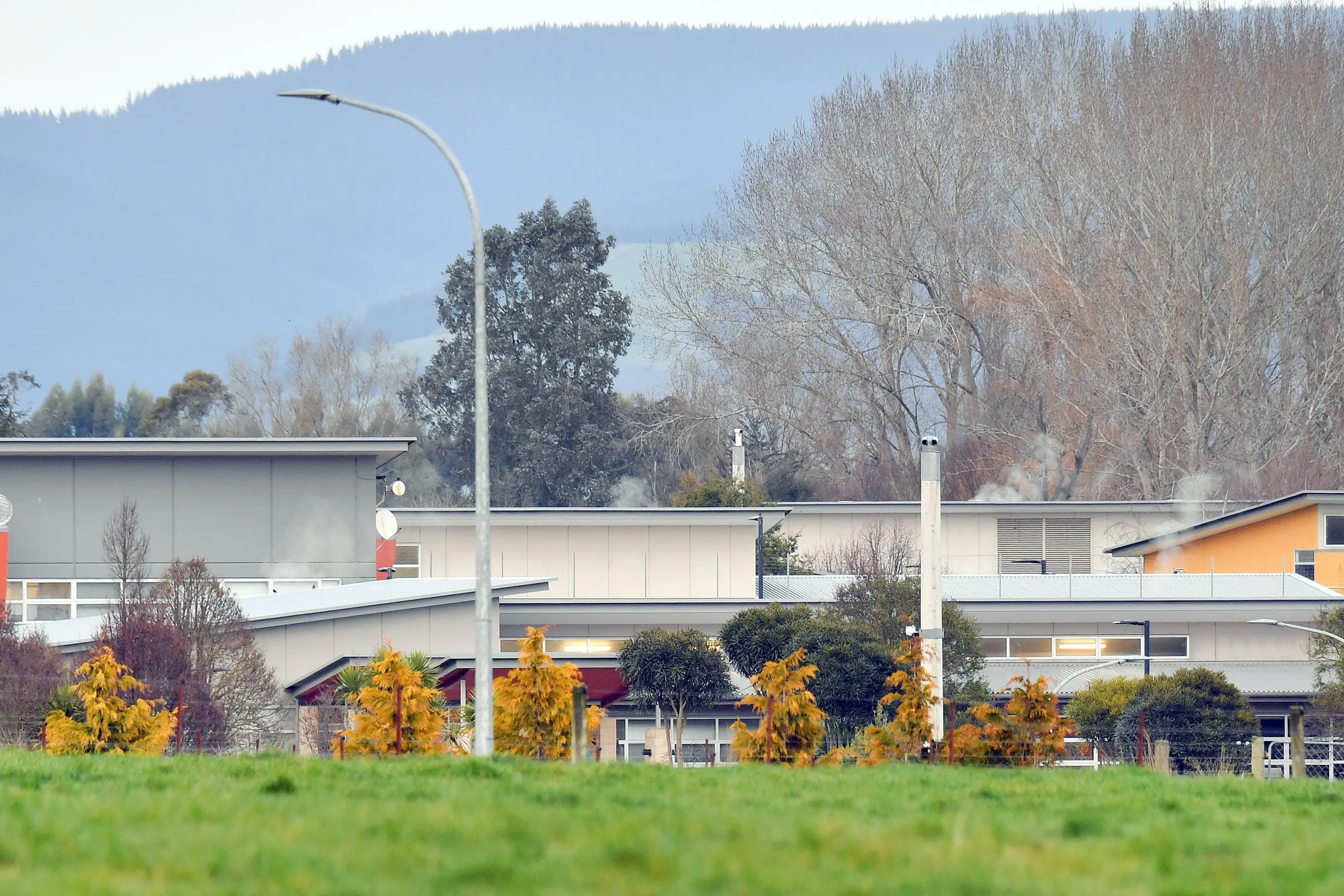
Otago’s prison has been described as a “boy's club” marred by bullying and misogynistic comments from managers and staff, a report has found. The Office of the Inspectorate released its inspection report for Otago Corrections Facility on Tuesday. Chief Inspector Janis Adair said the inspectorate talked to 99 prisoners and 111 staff and service providers. At the time of the investigation in September last year, there were 527 inmates in the prison: 382 sentenced and 145 people on remand. OCF has capacity for 600 minimum to high security prisoners. OCF’s workforce was comprised of 358 staff, predominantly custodial. “Overall, we found many areas of positive practice at OCF that had been sustained since our last inspection, while at the same time finding some areas requiring attention at a local and national level,” the inspectorate report said. “However, concerns were raised from across the site about the leadership team, most worryingly a culture often described as a ‘Boys’ Club’. "Concerns were raised about bullying, inappropriate and misogynistic comments from managers and staff, and offensive sexual remarks from prisoners that reportedly were ignored or went unchallenged by custodial staff.” The report said the department’s plan to eliminate sexual harassment presents an opportunity for urgent review and reset in this area. "Staff on site also expressed a view that improvements to cultural competency and a more trauma-informed approach needed to be role modelled and driven by the leadership team.” Despite this, most prisoners and staff said they felt safe. “Positives for frontline staff included strong camaraderie, trust, small wings, witnessing positive prisoner changes, and receiving letters from released prisoners. “Most staff generally felt safe at work, particularly in low security. Occasional staff events were held, with strong attendance at a recent wellbeing expo considered positive.” Yet staff also noted that there was limited recognition of staff achievements, particularly for those working in high security units, due to the pressures of the environment. “Alongside training, greater structured guidance and onboarding specific to roles or areas such as master control, prosecutions or unit specific was seen by staff to be needed. “Some staff felt a ‘you’ll be right’ attitude contributed to feeling undervalued.” The report was also critical of the fact that in the six-month review period, only 58.1% of prisoners had received a site induction interview where prison rules and processes were explained to them by a custodial staff member. “This aligned with feedback from prisoners that information about prison life was limited and unit inductions were inconsistent, and our check of penal files identified some without signed induction forms.” Prisoners also reported seeing bullying in their units in relation to telephone use, medication diversion and meals. “However, many shared a view this is an accepted part of prison life and was not something that made them routinely feel unsafe.” In the six-month review period, there were 31 reports of prisoner-on -staff assault, although all were categorised as “non-serious”, while there were 56 prisoner-on-prisoner assaults, with two considered serious. There were zero sexual assaults recorded in the six-month review period. At any given time, more than 100 inmates were engaged in work programmes, while OCF also had a Māori programme pathway which offered culturally responsive courses. There had also been 400 “educational interventions” during the period. However, the inspectorate was concerned many prisoners did not have a case manager and needed better support to plan for their future and release. There were “not enough” psychological and alcohol and drug treatment services to meet prisoner needs, but nurses were seen “as supportive, approachable and generally did a good job managing their daily health needs”. After an inspection, the prison creates an action plan to try to fix any problems. The prison sends the action plan to the inspectorate and inspectors check on progress. Corrections Commissioner Custodial Services Sean Mason welcomed the report. “At a national level, Corrections has a nationwide programme of work underway to eliminate sexual harassment. “Over 30% of our 11,000 staff have completed our Understanding Sexual Harassment training, which help staff recognise harmful behaviour, understand what’s not acceptable, and see their role in creating a safe workplace. “The site is committed to taking deliberate and sustained action, recognising that even isolated experiences can have a significant impact on individuals and must be addressed. “All Managers and Principal Corrections Officers have completed the online Sexual Harassment training.” Site-wide Sexual Harassment training workshops were delivered to staff last month, he said. “Further training has also been undertaken to strengthen understanding of appropriate processes for managing HR matters.”