
PHOTO
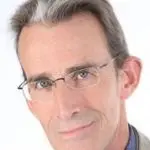
A call for early action on restructuring at Dunedin Hospital was made by chief medical officer Southland David Tulloch following the release of the damning National Health Board report on the hospital.
But emails released to the Otago Daily Times under the Official Information Act show that in the early days after the August release, opinion was divided on this within the Southern District Health Board and management.
Four days after the report came out Mr Tulloch was keen to get the board's newly-appointed human relations general manager, John Pine, involved in discussions on restructuring.
"We know there has to be a restructure in Dunedin", which by default had to be an event with impact on the board, he said in part of his email to chief executive Brian Rousseau and several other members of the executive team.
"It will be very painful for some, but we have to bite this bullet."
However, Mr Rousseau suggested he should not "jump to any conclusions regarding a restructure".
The board was already discussing this and "my impression is that they will not support the NHB recommendation in this regard.
Yes, some changes may be necessary, but not what the NHB is recommending.
"Also the NHB is not our master, the board is, and they will be deciding!"
He said it would be a waste of time for Mr Pine to attend until there was "something for him to consider".
Earlier that day deputy chief executive Lexie O'Shea advised by email she would like to do a brief presentation on transformational change "as I think we need to take a new approach" to the change expected.
Mr Tulloch supported that approach and also wished to formally record that he did not support the business case for more senior doctors in Dunedin's emergency department.
Mrs O'Shea and chief nursing and midwifery officer Leanne Samuel were also keen to have Mr Pine involved in discussions.
Dunedin Hospital's chief operations officer, Vivian Blake, asked who would lead the restructure pending the appointment of a new chief executive.
While Mr Pine had experience in the field of change management, she would expect his role would be "as coach, adviser and facilitator and not to lead".
Board member Tahu Potiki said the report was flawed in many ways but "I don't think it matters any more".
The board needed to quickly identify what it believed was the key issues and act.
One of the board's weaknesses had been that when it disagreed with the executive on a point it had struggled to keep the pressure up and ride things through to a "satisfactory conclusion".
"Where we have ultimately agreed with the executive we have seen progress but otherwise we have struggled".
The board had "certainly had less than dynamic responses from certain senior staff around some of these big questions" and there was a culture of "we aren't able to because", which had been "pretty dominant in some quarters".
The board also lacked a comprehensive reporting model which reinforced board strategy and gave a regular overview of progress. Board members Richard Thomson and Dr Malcolm Macpherson questioned whether a single structure for both hospitals was the best option.
Mr Thomson said a major strategic decision needed to be made on structure, but he had never been sure about trying to make two fundamentally different hospitals into clones of each other.
One of the reasons changes had not been implemented at Dunedin Hospital was the mixed management model with confusion between the roles of the chief executive and the chief operating officer.
"The gap between their authority and expectations is dangerous."
Hospitals needed their own clear leadership to drive change and the staff had to be able to identify with an organisation and that had to be their own workplace, rather than the DHB.
Dr Macpherson was also critical of the lack of involvement of board members in the review and asked "What didn't we know already? How much is this a case of a review team borrowing our watches to tell us the time?"
He suggested the board should not appear defensive.
"Our approach should be 'yes - now help us deliver'."
The day after Mr Tulloch's email, chairman Joe Butterfield said the issue of whether there should be one hospital structure, two or three (if Lakes District Hospital in Queenstown was added) had to be resolved before some of the underlying problems identified could be addressed.
He said he was not sure "this big picture issue" should be resolved without the input of the yet-to-be-appointed chief executive who "after all will have to lead the change if there is to be one".
Mr Thomson replied that the new chief executive should have a role, but the board needed to determine what "can and should go ahead" regardless, and have a clear communication strategy with staff on this otherwise it will "look like we are continuing to have an unclear vision".
No announcement about restructuring has yet been made by the board.