
PHOTO
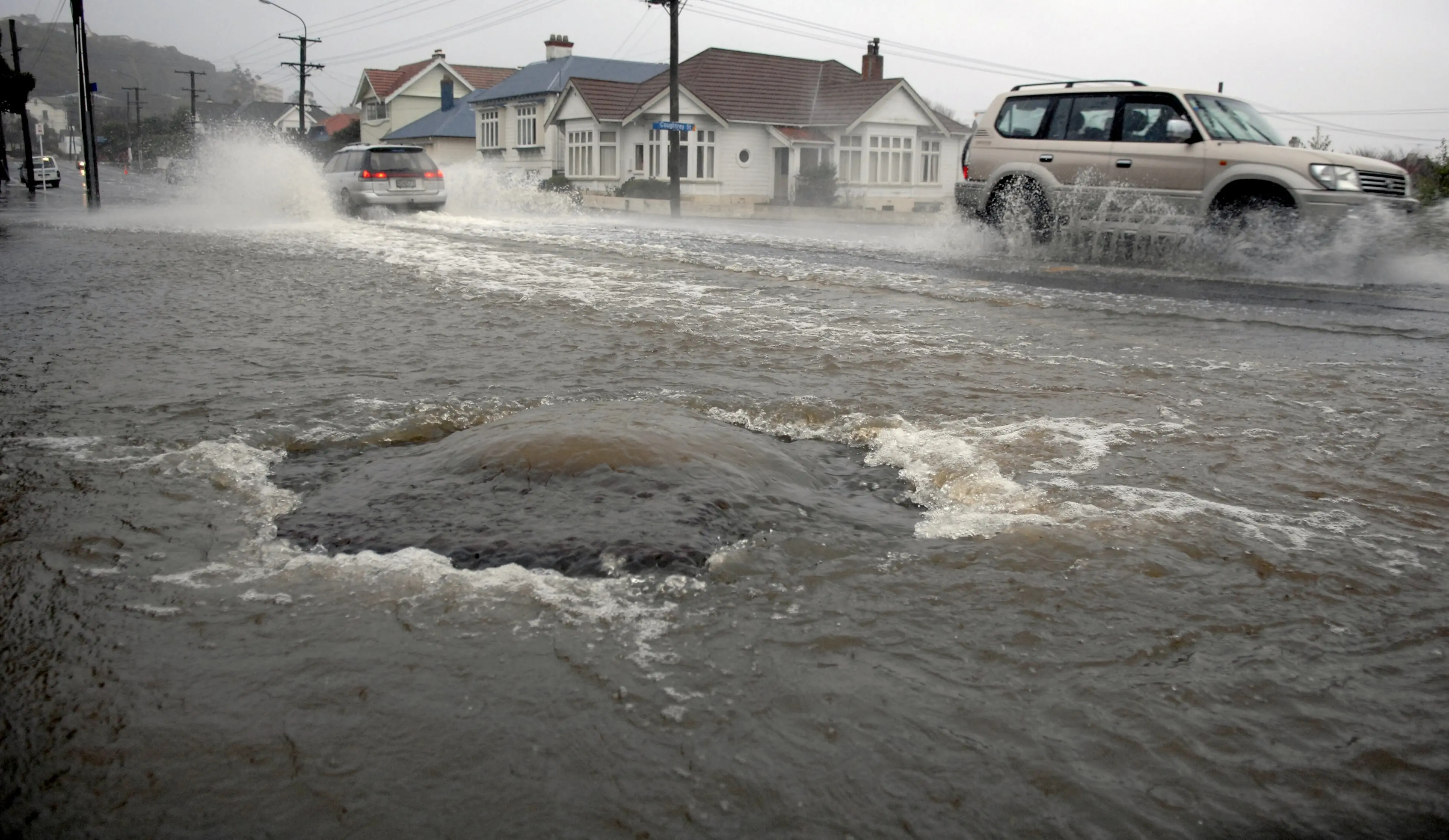
The cost of renewing water, wastewater and stormwater infrastructure in Dunedin in the next 10 years could be more than double what the Dunedin City Council has budgeted.
Capital spending challenges for smaller councils in Otago and Southland could be even steeper.
The confronting picture is mapped out in documents to be considered by Dunedin city councillors tomorrow, bringing them up to speed with planned Government reforms designed to create systems that will cope with future requirements.
Dunedin’s planned infrastructure spend of $547 million in the next 10 years is a major factor in the city council’s projected debt surge.
However, consulting firm Morrison Low has estimated the planned investment could be insufficient to meet the cost of simply renewing the assets, which could be as high as $1.2 billion.
Of the councils in the South, Dunedin has the second-lowest level of planned investment per capita.
Just three years ago, councils in the South were preparing to spend a total of $1.2 billion on their 10-year capital investment programmes in water, wastewater and stormwater.
Draft budgets for 2021-31 plans indicate this figure has climbed to as high as $2.3 billion.
Queenstown’s debt for such activity is forecast to be more than 700% of its comparable revenue in 2031 and Gore’s is set to exceed 600%.
As well as concern about the cost of upgrading ageing systems, doubt has been raised about the ability of councils in the South to deliver on planned work.
Clutha would need to deliver four times the amount of capital works it managed in 2020, Morrison Low observed.
Eighty-two percent of the network of pipes for water, wastewater and stormwater in the South is in an unknown condition.
Councils’ inability to get on top of what is needed is understood to have driven planned reforms.
A staff report for tomorrow’s meeting provides an update for Dunedin councillors.
Mayors, councillors, chief executives and senior staff from the Otago and Southland councils have also been invited to attend a workshop with Department of Internal Affairs staff on Friday.
Cabinet decisions about how water, wastewater and stormwater systems will be delivered are expected in the next few months.
The next time the Dunedin City Council goes through a 10-year plan budgeting process, it is unlikely to own infrastructure for providing water.
This is set to be taken over by new regional water entities, which could be running by June 2024.
Among concerns Maori have raised about the reforms is that local government will be stripped of power.
Ngai Tahu has expressed support for a joint governance model of water entities to guard against them being privatised in future.
The iwi has stated it would not want to own the assets.