
PHOTO
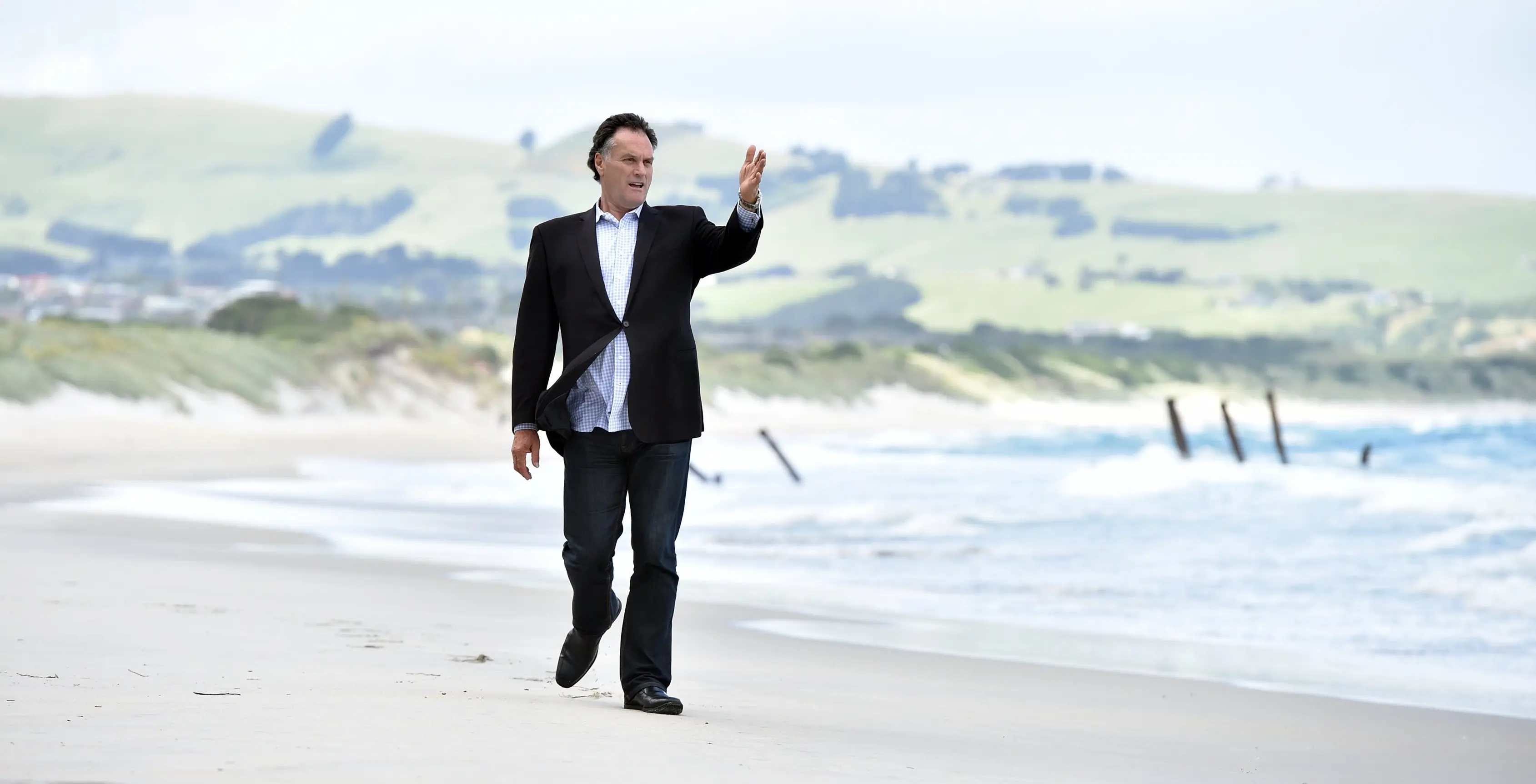
Jules Radich was a man of many passions — underwater hockey, motorcycles, wine and food, fishing, diving, books and music.
He also had an acute sense of humour, and the former Mayor of Dunedin would have given his trademark wry smile if he had heard the many tributes paid to him after his shocking and unexpected death on January 4 aged 70.
As Joni Mitchell sang on Big Yellow Taxi, "you don’t know what you’ve got till it’s gone", and with Mr Radich’s death people suddenly realised how immense a loss the large man with a large personality would be to the city he had until recently lead as mayor.
Mr Radich’s many friends knew though, and they filled First Church full to bursting for his funeral. So broad were the areas of Mr Radich’s many endeavours and interests that what he was best known for to the wider world — local body politics — felt like a short chapter in the voluminous book of a life well-lived.
Jules Vincent Radich was born in Mataura on January 19, 1955, the son of Milan and Lavinia Radich. He was always proud of his diverse family history — he claimed Scottish, Māori (Ngāti Kahu-Ngāpuhi ki Whangaroa), Irish and Croatian roots — and his Southland origins: Mr Radich remained in touch with many of the people he grew up with.
After being educated at St Kevins in Oamaru and then Marist College in Invercargill, Mr Radich arrived in Dunedin to study for a science degree at the University of Otago.
While he did indeed, eventually, secure his degree, Mr Radich also loved the social side of studying at Otago.
Already a confirmed petrol head, he and his flatmates all had motorcycles — which they stored in their bedrooms when not racing their machines along the campus area streets. The mechanical skills Mr Radich learned during those years stood him in good stead in later life.
After graduating, Mr Radich then embarked on teacher training in Christchurch. He worked as a science and physics teacher at Tamatea High School in Napier, where he soon became a favourite tutor — many of his former pupils posted fond reminiscences of their time in his classes after his death, and he was a well-received guest when he attended a recent school reunion.
Mr Radich then travelled overseas, working as a surveyor in Thailand, Turkey and Egypt and travelling extensively, before returning to Dunedin.
In 1984, Mr Radich began the highly successful business, Uptown Motorcycles. It was a classic example of turning one’s hobby into one’s work, as Mr Radich remained as passionate about motorcycles in his 30s as he had in his adventurous teenage years.
Customers aplenty shopped at Uptown Motorcycles because they knew that, as well as being a canny businessman, Mr Radich was one of them and shared their love of motorcycles. As well as selling and servicing bikes he also rode and raced them, earning the respect of the motorcycling community both close to home and far away.
Just one example of the esteem in which Mr Radich was held, was that he was one of the very few people offered the chance to buy a Britten motorcycle. His decision not to was a rare example of a poor investment decision.
The huge number of motorcycles parked outside his funeral service, which were later ridden alongside his cortege, were a handsome tribute for someone who despite not having been in the motorcycle business for decades had not been forgotten.
Away from work, Mr Radich was a competitive and highly-ranked underwater hockey player who, as well as being a regular in the pool, also put his hand up for many administrative roles in the sport.
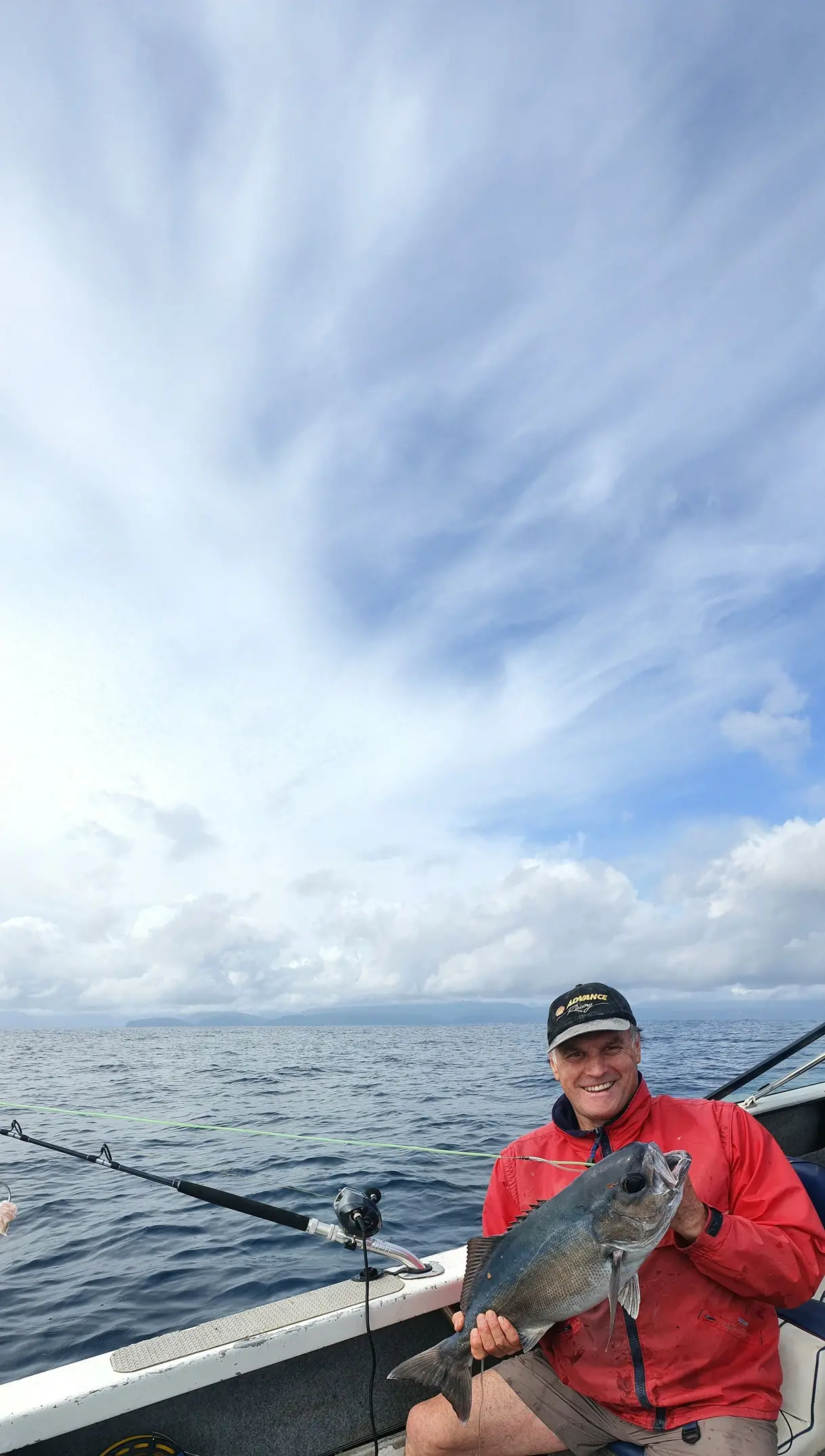
As well as being active in the water, Mr Radich loved to get out on it. He eagerly awaited his annual fishing and diving trip to Jackson Bay on the West Coast, and loved to dive on Dunedin’s south coast gathering kai moana — much of which he gave away to a multitude of grateful recipients.
Mr Radich was a foundation member of the Orokonui Ecosanctuary, a member of the Dunedin Art Society, the Investors Club, Forest & Bird, and was a one-time president of the Otago Food and Wine Society.
He also organised his own, invitation only, wine tasting club. Mr Radich put a great deal of effort into preparing for the group’s regular Saturday meetings, and once he became a councillor and mayor they were an important opportunity to relax and decompress away from the pressures of council.
Mr Radich’s modus operandi was to always make sure others had a good time — he was always about others, not himself.
Family were central to Mr Radich. He had a son, Vincent, prior to his meeting his long-term partner, Pamela, in 1996. The couple were very close, making time for each other whenever possible, despite both of them leading extremely busy lives. The couple had a daughter, Genevieve, in 1999.
While attending the wedding of a family friend in Denver in June 2024 they decided to get married themselves. They drove to Las Vegas to seal the deal in over-the-top and extraordinary style.
After selling Uptown Motorcycles in 2004, Mr Radich managed the Golden Centre Mall before becoming a business coach. He remained a director of the mall.
In 2019, Mr Radich, who for years had been generous of his time and efforts for many a local cause, decided it was time to give something back to the city which had given him so much.
"I see a critical aspect of Dunedin community life is the welfare of the small business person — the small and medium-sized businesses in this town grew the town," he told the Otago Daily Times that year.
"That’s the critical driver in the city these days ... The No 1 thing is to get the councillors around that table focusing on their values and why they’re there, and to grow within the councillors a culture of can-do and can-achieve, based on our heritage and natural values in Dunedin."
Deciding to stand for mayor and for the Dunedin City Council was easy — and possibly in his DNA, as his father had dabbled in politics in Invercargill. The transition into the reality of local body politics was not as easy. Always a good listener, the speech-making skills required by a politician did not come as naturally as he would have liked.
He did have the required energy, drive and tough hide though. While Mr Radich did not succeed in winning the mayoralty, he was the fifth person elected to the council.
If nothing else, the election gave Mr Radich the chance to push one of his deeply-held personal causes — the case for reinstating groynes at St Clair beach.
He had submitted on this to both the DCC and Otago Regional Council in 2017 and continued to doggedly advocate for them; virtually the first thing he did as a newly-elected councillor was to request a staff report on them, and Mr Radich would often return to the topic during his political career.
Mr Radich’s first term as a councillor was a challenging one, the steep learning curve of a new job coinciding with the disruption generated by lockdowns and a global pandemic.
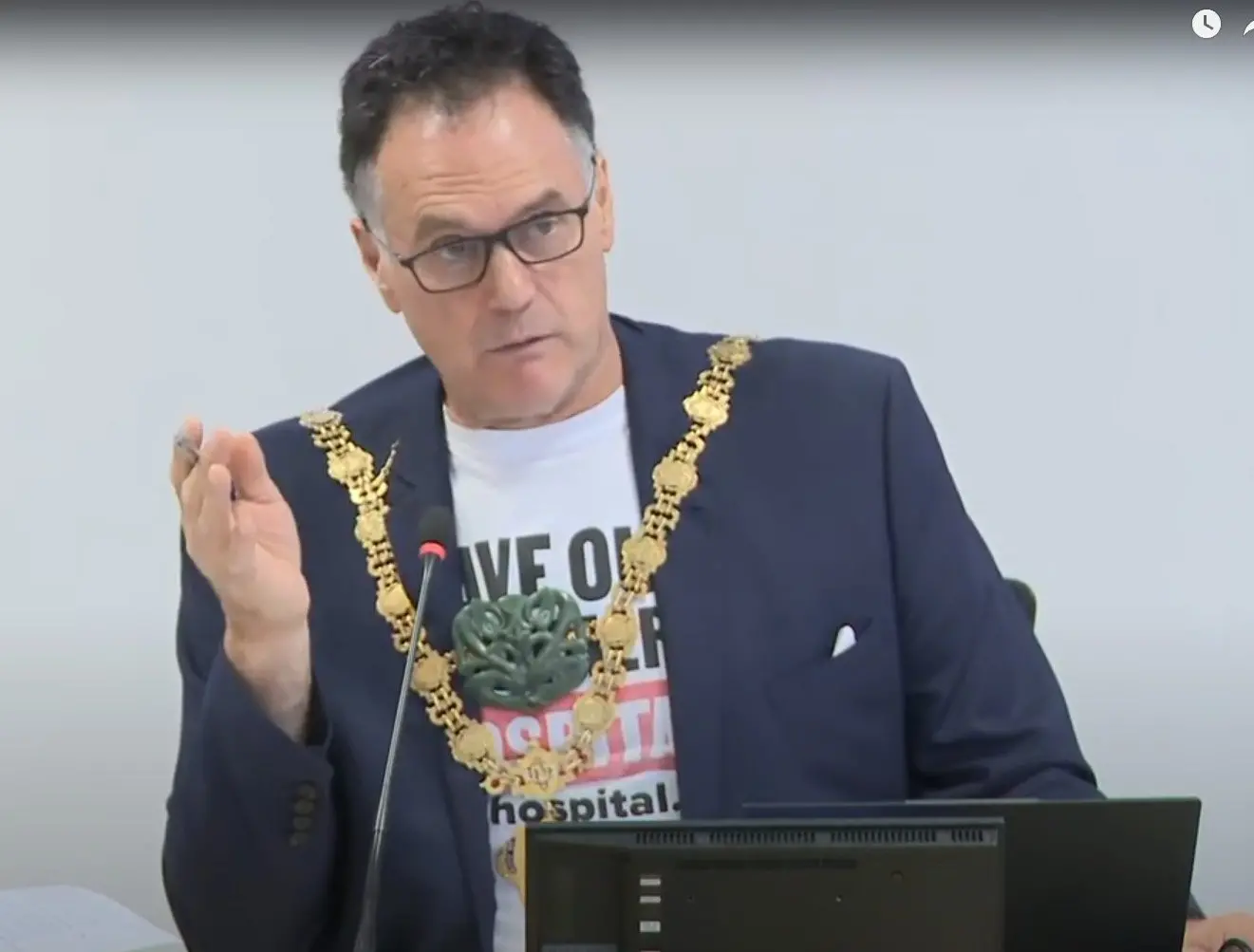
Mr Radich was unapologetically a voice for business on the council, a position which often had him at odds with a Green-aligned Mayor and some other left-leaning councillors, despite his natural instinct to form coalitions and work collectively.
That preference for working collaboratively inspired the creation of Team Dunedin, a short-lived alliance of seven council candidates formed to contest the 2022 local body elections.
In politics, being elected is often a case of being in the right place at the right time, and in 2022 Mr Radich was perfectly positioned to become mayor of Dunedin. The country as a whole, fed up with Covid austerity, was swinging towards the right and normally left-leaning Dunedin elected several centrists to the council — including Mr Radich as mayor and three other Team Dunedin-aligned councillors.
"Our city is going backwards with job losses worse than other New Zealand metros," he told the ODT.
"Our transport situation is a mess and our debt is rocketing out of control. The city needs to be put on a sensible footing with inclusive participation by the citizens ... My vision is for a city that is welcoming, vibrant and sustainable.
"This is inclusive of everyone regardless of age, ethnicity or occupation. Business is essential to our economy because that is where jobs and money are created. Jobs and money make everything possible."
Despite his desire for an inclusive mayoralty, Mr Radich was not to get his wish.
A disagreement with some councillors over committee positions was an early stumbling block in the Radich mayoralty, and a code of conduct brought against him was personally distressing. At the end of his term he suffered a further blow when some of his former Team Dunedin colleagues backed a rival candidate in the mayoral election, despite Mr Radich standing again.
However, Mr Radich was at the forefront of a campaign which brought the Dunedin City Council — and indeed, the whole city and wider region — together: the effort to reverse government cuts to the budget and scope of services at the new Dunedin Hospital.
After an initial misstep when, possibly coming from his ever positive disposition, Mr Radich called the government cuts "an early Christmas present", he soon resiled from that comment and became a staunch advocate for the hospital to be built as was originally promised.
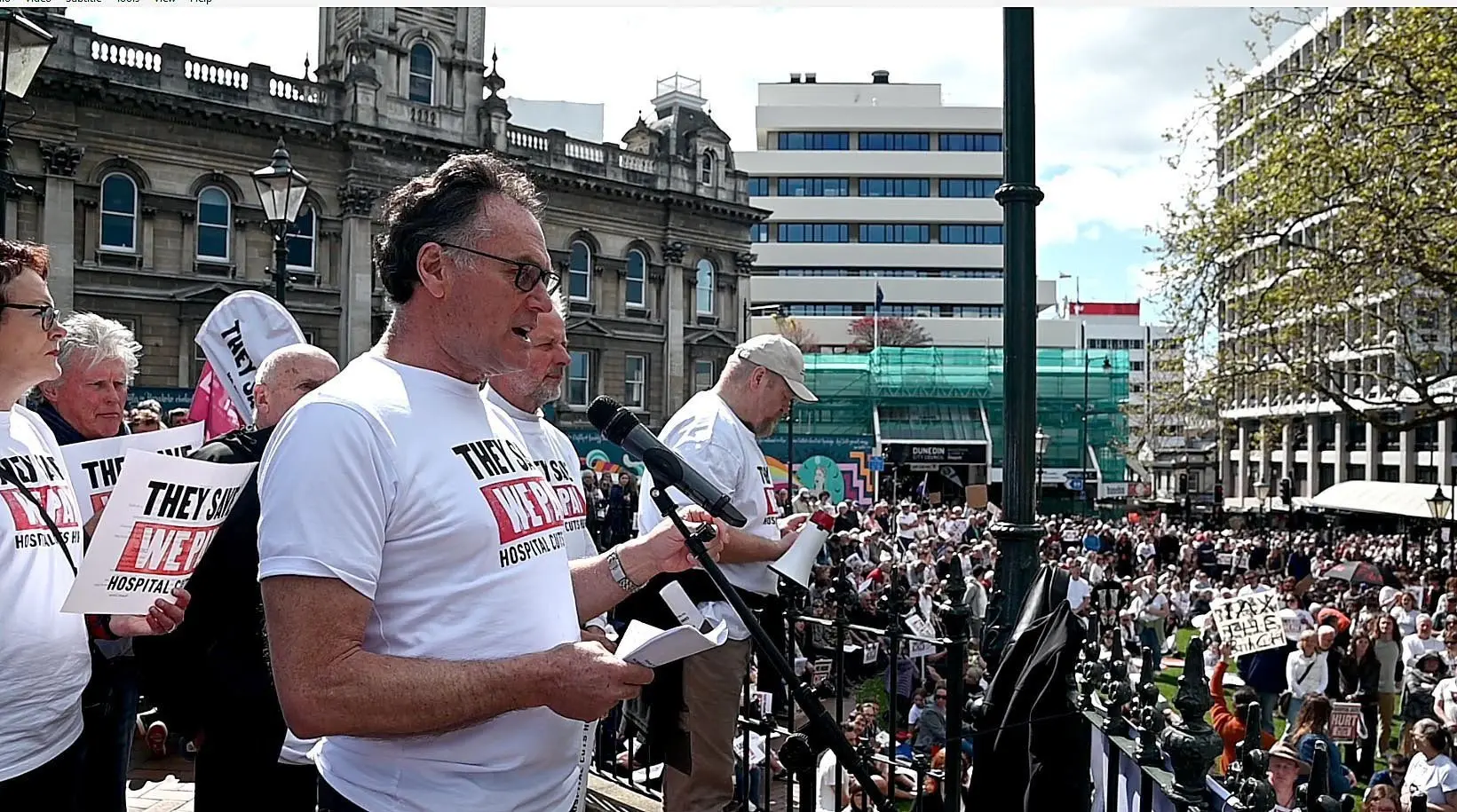
Wearing his "They Save, We Pay" or "Save Our Hospital" t-shirts wherever he went, Mr Radich got most regional leaders to back the campaign, as well as all his own city councillors. The combined efforts reached a crescendo in September 2024 when Mr Radich and councillors lead one of the largest protest marches — an estimated 30,000-strong — through the streets of Dunedin to the Octagon to hear a series of speeches demanding the hospital be built as promised.
A few weeks later, Mr Radich travelled to Wellington with other regional mayors to present a 34,000 signature petition against the cuts.

While those were the high-profile parts of the save the hospital drive, away from the spotlight the campaign became all-consuming for Mr Radich, who spent countless hours on the phone or in meetings cajoling, lobbying and arguing in favour of retaining a fully-funded and serviced new Dunedin hospital.
One thing Mr Radich prided himself on was being able to work well with both the governments in power during his mayoral term.
While the hospital was undoubtedly the main issue of the Radich mayoralty, other high-profile matters such as the redevelopment of George St, the Albany St cycleways, wastewater woes at Surrey St and the provision of water services in general, starkly showed the divisions in council.
Although Mr Radich was proud of his record and had no qualms about standing for re-election in defence of it, he was by now a seasoned enough politician to realise that in 2025 the tide which had brought him to office in 2022 was on its way back out again.
While once more resoundingly returned as a city councillor — Mr Radich was the third-highest polling candidate — he finished only fourth in the mayoral race, a result he was pragmatic and philosophic about.
"It’s what happens and, you know, it’s happened for me," Mr Radich told the ODT.
"I’ve still got lots of things to get done for Dunedin, so I’m very focused on that and really looking forward to it, actually."
With characteristic generosity, Mr Radich offered a helping hand to all new councillors as they learned the ropes, and showing his typical drive the long-time St Clair resident was soon on to a new project — trying to find a solution to the vexed issue of flooding in nearby South Dunedin streets.
However, Mr Radich was never to know whether the new pumps the DCC was installing would fulfil his confident and enthusiastic prediction that they would solve the problem.
A true gentleman, fit and still youthful-looking, Mr Radich died on January 4 in Dunedin Hospital, a day after suffering a random cardiac event.
He is survived by wife Pamela and children Vincent and Genevieve.