
PHOTO
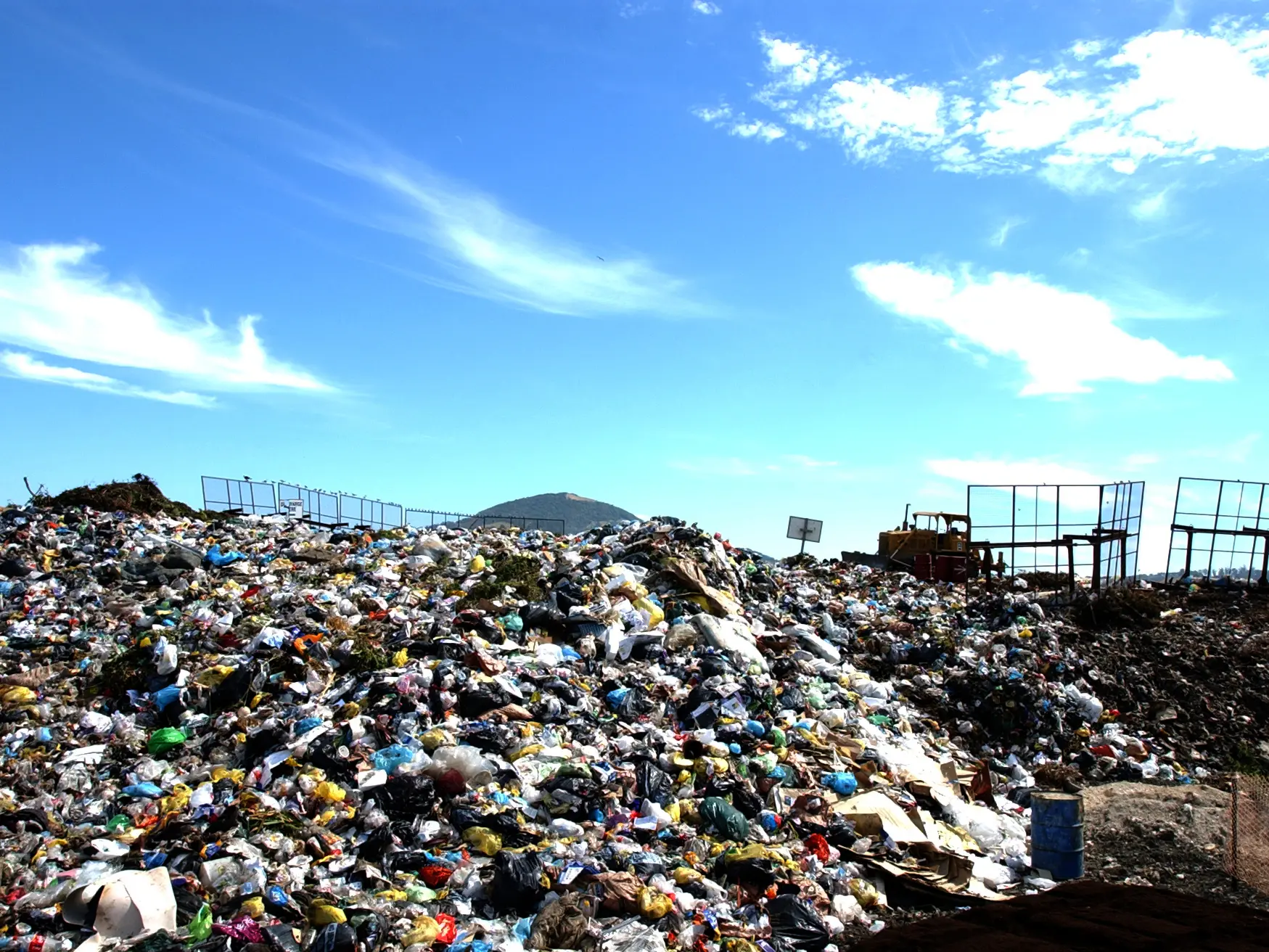
Dunedin could end up accepting waste from its neighbours if a regional vision to consolidate landfill operations advances.
A decision could be made to focus on just two class 1 landfills in Otago, likely near Queenstown and Dunedin, allowing facilities in Waitaki and Clutha to be downgraded to class 2, it has been suggested in a report for the Otago Mayoral Forum.
However, such an idea is one of several possible approaches, any co-ordinated regional planning is in its infancy and there are no guarantees the Dunedin City Council’s application for a new landfill at Smooth Hill will be granted consent.
The report by Eunomia Research and Consulting about waste and recycling infrastructure refers to the region being split into two zones - a coastal zone consisting of Dunedin, Waitaki and Clutha, and an inland zone made up of Queenstown Lakes and Central Otago.
Synergies would fall mainly within those zones, the consultants said.
Landfill disposal infrastructure in Otago appeared to be adequate "for some time to come", but the same could not be said of recycling, recovery and reprocessing infrastructure, Eunomia said.
Among issues identified were the distance from Otago to reprocessing infrastructure in the North Island and upgrades being needed for materials recovery facilities in Dunedin and Queenstown.
In commentary about landfills, it was noted Mt Cooee in the Clutha district was about 40 minutes’ travel time from Smooth Hill.
Both the Dunedin and Clutha councils are undertaking consenting processes for new disposal facilities.
In Dunedin’s case, the consent at Green Island runs out next year and construction of Smooth Hill, if granted consent, could start in 2024 or 2025.
The city would likely make use of AB Lime’s facility near Winton in Southland between one facility closing and the other opening.
Consent at Mt Cooee expires next year, but the Clutha council resolved to seek a new consent to 2053.
Waste is almost entirely controlled by the private sector in the Waitaki district, but Waitaki does have a class 1 landfill at Palmerston.
Class 1 landfills accept municipal solid waste and many other streams.
The range of materials accepted by class 2 landfills is not as extensive, but includes non-organic materials, including construction and demolition waste.
Among the factors set to take on more importance in the next decade is that large class 1 landfills are required to operate landfill gas capture systems, which reduce the amount of methane emitted to the atmosphere.
The Otago Mayoral Forum comprises the region’s five mayors and the Otago Regional Council’s chairman, and each authority’s chief executive.
Forum chairman and Central Otago Mayor Tim Cadogan has said the Eunomia report provides a region-wide viewpoint paving the way to a more co-ordinated approach to managing waste across Otago.
The forum is to work with Eunomia this year to draw on the analysis.
Initially, the focus will be on organic waste and construction and demolition waste.
The mayoral forum has also given the go-ahead for preparation of a business case outline for a more formal partnership between the Otago councils to manage and deliver waste infrastructure in the medium-long term.