
PHOTO

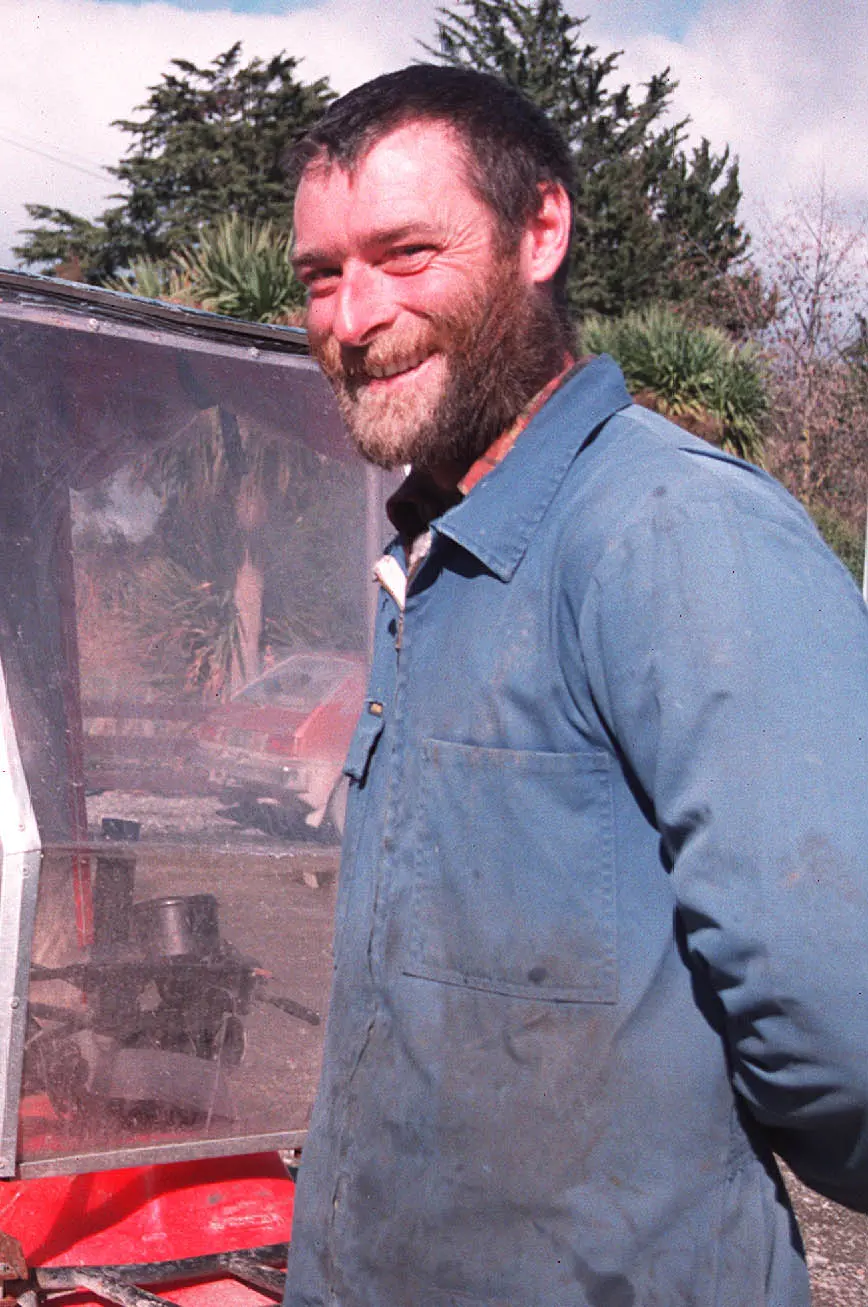
In 2004, a bushy-bearded Lovells Flat farmer stepped into governance and stood for the Otago Regional Council.
Stephen Woodhead took experience from involvement with organisations such as the Clutha Agricultural Board and the TB Free Otago committee.
It was a different time.
"We had cellphones and the like, but the social media thing and the way the community interacted with the environment has changed dramatically since then and the expectations of the community changed.
Public transport
Otago's public transport was in a "pretty sad state" when Mr Woodhead arrived at the council in 2004.
Since then, it had provided more regular and direct services, he said.
"Public transport is one of those things that is a favourite whipping boy of local government.
"If you arrive at a bus stop and look left or right and the bus isn't coming, you've got a problem."
For Dunedin's size, it had a great network, he said.
"Somebody said recently who knew public transport that if Dunedin was a suburb of a city in Australia, it wouldn't be big enough to get a public transport investigation, let alone a service in place.
Electric buses were the way of the future, he said.
Parking
With more public transport uptake, fewer parks are needed.
Mr Woodhead said Dunedin often suffered from "small town syndrome" on this issue.
"If you were in a decent-sized city anywhere in the world, or whether it's Christchurch, Wellington or Auckland, you would park in a parking building or bus or walk or whatever.
"We need to get over ourselves a little bit."
Populism
A difficult trend Mr Woodhead said he had to deal with was populist politicians, pushing decisions based on emotion.
"Particularly when it starts to be reflected in the wider governance teams. Particularly with regional councils where we're talking about long-term strategies.
"Often, we end up having to respond to the latest emotional drama and it takes time and money."
Deemed permits
An example of this was when the council last year voted 6-5 to halt setting minimum flows in the Cardrona, Arrow and Manuherikia catchment.
"Many of the people pushing it, both farmers and politicians, did not understand the wider picture."
The council suggested minimum flows, but water users said they were not backed by proper research.
"They had a pot shot at the science. Actually I think that was incorrect.
"Don't get me wrong - we made some mistakes as an organisation. We should have been in a better position to push back on some of those arguments.
"You don't need to study every tributary down to the last litre."
Despite criticism, the council had successes early in the deemed permit process, he said.
He was now concerned for farmers as to what impact proposed government policy in the next year would have on this process.
Rabbits and gene editing
The pest which likely causes the most grief for the council is rabbits.
"The most efficient way to manage them is for landowners to look after them on their land. I understand the challenge. I'm not trying to make light of it at all."
The country must have serious conversations about gene editing, he said.
"As I understand, through a bit of gene editing, you can slowly turn the population into males.
"If we're serious about it, and there are some genuine concerns about the ongoing use of toxins, gene editing and that sort of technology in my view should be pushed through."
Government regulations
The Government has, especially in the last year, issued a raft of environmental regulation proposals which the council will have to enact.
Mr Woodhead said it seemed the Government became "impatient".
"Particularly around environmental matters, we're not talking about flicking on a light switch."
Governments worked on three-year cycles, which caused challenges, and the council needed to work with them to ensure plans could be adapted to the intricacies of different regions.
Rural stress
The push for cleaner environments had taken mental and economic tolls on some farmers, Mr Woodhead said.
"Everything we eat and wear and drive, a farmer has had their hands on in some way."
Every day, he saw rubbish thrown out of cars in waterways, so pollution did not just come from farming, he said.
Search for a HQ
The council's search for a replacement for its Stafford St headquarters has lasted more than a decade and cost at least $10million.
It took so long partly because of deliberate decisions from the council to not proceed with certain plans.
However, he was confident there was a need for a new building and it needed to be located in Dunedin's city centre.
"Any assessment we've ever done has said that. Not in Mosgiel, not in the Taieri."
There would continue to be regional offices and they would grow.
A wetland
Last year, Forest and Bird filed a statement of claim in the High Court against the council and NZSki.
It came after revelations staff had advised declining a consent for a new chairlift at the Remarkables, saying the work would destroy a protected wetland, but the decision was overridden by council chief executive Sarah Gardner.

The case was eventually settled out of court.
Mr Woodhead said he did not accept this was an example of powerful companies throwing their weight around.
"I respect staff's view. The CE had a look at it and made a decision and that is where it stands."
Ngai Tahu representatives
In May, the council appointed two iwi representatives to its policy committee alongside elected councillors.
Cr Michael Laws led the charge against this, saying it was undemocratic.
Mr Woodhead said he was "very disappointed" with how the saga played out.
"In 2019, we get into some silly emotional politics in our relationship with iwi. I was pleased we stuck to our guns".
The council needed to continue strengthening its relationship with iwi.
Council funds
When the council decides not to fund something, or raises rates, critics point to its financial spreadsheet which shows no debt and financial assets of $38million that include cash equivalents of $15million.
"Looking from the outside it looks like we've got lots of cash available, but actually they are allocated and there are controls around them set out in our funding policies."
There were also financial plays at work where the council borrowed money from itself for projects at cheaper rates to save costs for ratepayers.
The success of Port Otago was a positive for the region's residents, meaning there would be little benefit in the council selling any of its 100% share.
Elections
The council needed some change in governance every election, Mr Woodhead said.
There would be at least five new faces this year, which would be a "huge shift".
It would take time for some to settle in, but others had experience in governance that would suit them well.
"When you see the likes of Marian Hobbs in Dunedin in a Labour Party city, I'd imagine Marian is highly electable."
Council progress
The council has had successes in past years including getting a full-time harbourmaster, notifying its pest plan and having its drainage schemes largely live up to tests by extreme weather.
Mr Woodhead received good feedback from people who interacted with the council, but the wider community still did not have a great idea what it did.
In terms of its future, he had a "great deal of optimism".
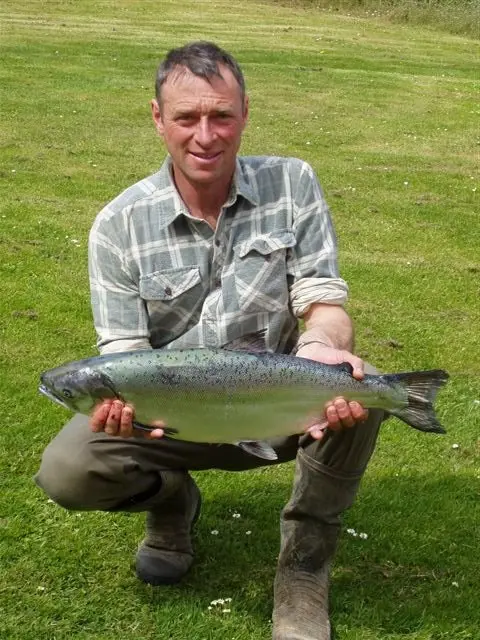
The chairman role "takes over your life", he said.
"You get on emails first thing in the morning, phone calls in the evenings, meetings."
Mr Woodhead said he was standing down partly because there was a "natural cycle" to the roles.
He was comfortable with the progress Mrs Gardner had made, and staff had their head around challenges.
He had also slowed since a stroke he had in May last year, he said.
"I've had a challenging 18 months or so health-wise ... I'm not performing as I was as a young man."
The future
For now, Mr Woodhead is welcoming a break.
He is chairman of the Otago Youth Adventure Trust and a Milton Rotarian and has a young granddaughter to occupy his time.
More governance in the future was always an option.
"My experience might be useful in other areas."