
PHOTO
The Dunedin City Council faces eye-watering costs in the years ahead, predicted to reach hundreds of millions of dollars, after accelerating its push to become a carbon neutral city.
However, as one councillor warned the council's bill for carbon neutral initiatives could top $100 million, others argued the cost of inaction would only climb.
The debate came at yesterday's DCC finance and council-controlled organisations committee meeting, as councillors signed off on a submission on the Government's Climate Change Response (Zero Carbon) Amendment Bill.
The Bill aimed to reduce the country's greenhouse gas emissions, except biogenic methane, to net zero by 2050.
The debate over the submission followed last week's vote by city councillors to declare a climate emergency and accelerate efforts to become a net zero carbon city by 20 years, to 2030.
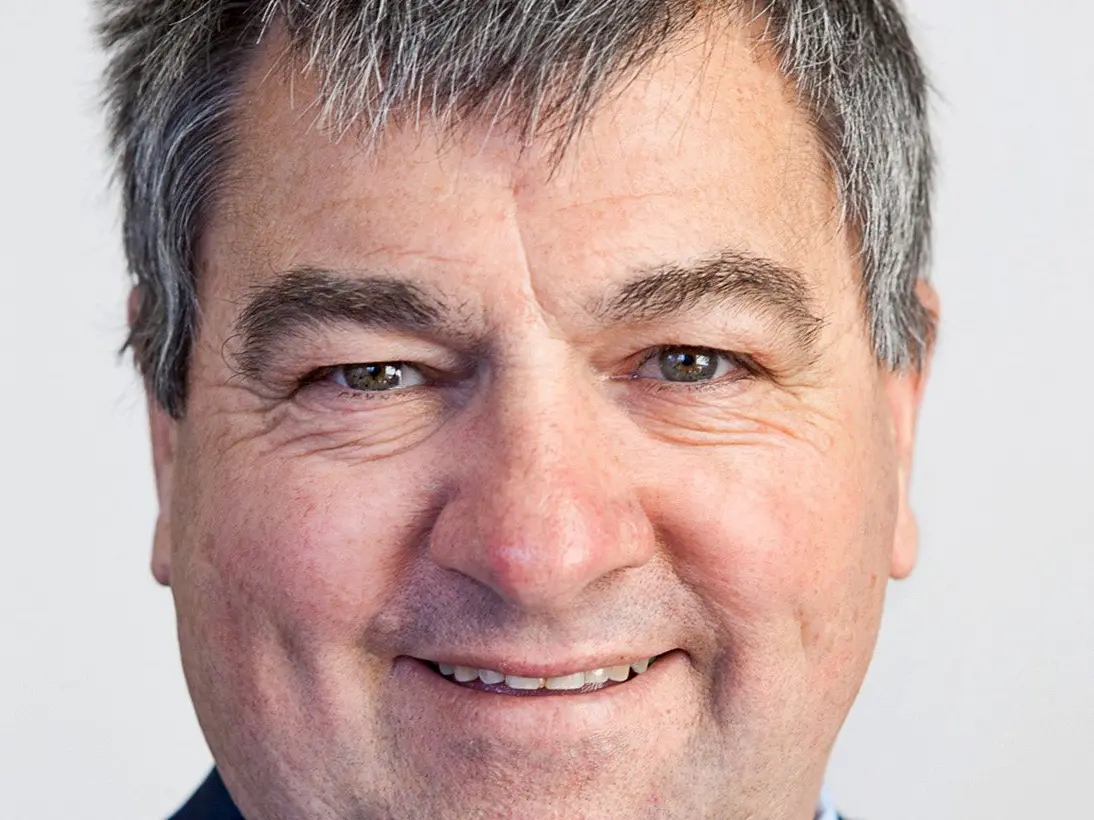
Cr Mike Lord, who voted against both initiatives last week, told yesterday's meeting he was concerned the cost of accelerating carbon neutral efforts could reach $150million or more within just one major council department. Across the council, it could be double that, which would ''blow every strategy we have got'', he said.
Speaking afterwards, he told the Otago Daily Times the ''back-of-an-envelope'' estimate came from a senior council manager, whom he declined to name.
The estimate would cover a mix of new funding and money already in the budget, brought forward or repurposed to fund new initiatives, he said.
Council corporate policy manager Maria Ioannou told yesterday's meeting an analysis by council department had not yet been done. However, the cost, whatever it was, was not necessarily about new funding, but repurposing existing budgets over time, she believed.
Cr Kate Wilson pointed out a $150million bill could eventually become $450million if the council delayed, which Cr Aaron Hawkins said would be ''a bargain''.
Councillors voted 9-3 - Crs Lord, Lee Vandervis and Doug Hall opposed - to approve the submission yesterday.
It called on the Government to consider a contestable fund to help councils prepare for climate change, as well as ''tangible consequences'' when emission reduction targets were not met, and urged a ''partnership approach'' between the Government, councils and communities.
Amendments endorsed by most councillors yesterday included calling on the Government to match Dunedin by shifting the Bill's goal for achieving net zero for greenhouse gas emissions to 2030.
Cr Hawkins said central and local government had to work together, and remember mitigation was the best form of adaptation, if the challenge was to be met.
Cr Vandervis disagreed, saying neither central government nor councils could stop climate change. What was needed was ''bigger pumps and bigger pipes'' in areas most at risk, he said.
That was disputed by Crs Hawkins and Jim O'Malley, who both said that was part of the response but not the solution.