
PHOTO
Hundreds of people a day would use a planned cycleway and walkway between Dunedin and Mosgiel — and that could be just the start, trail advocates say.
It could open up transport and recreation opportunities for schoolchildren, commuters and tourists, while providing flat access into Dunedin from the South.
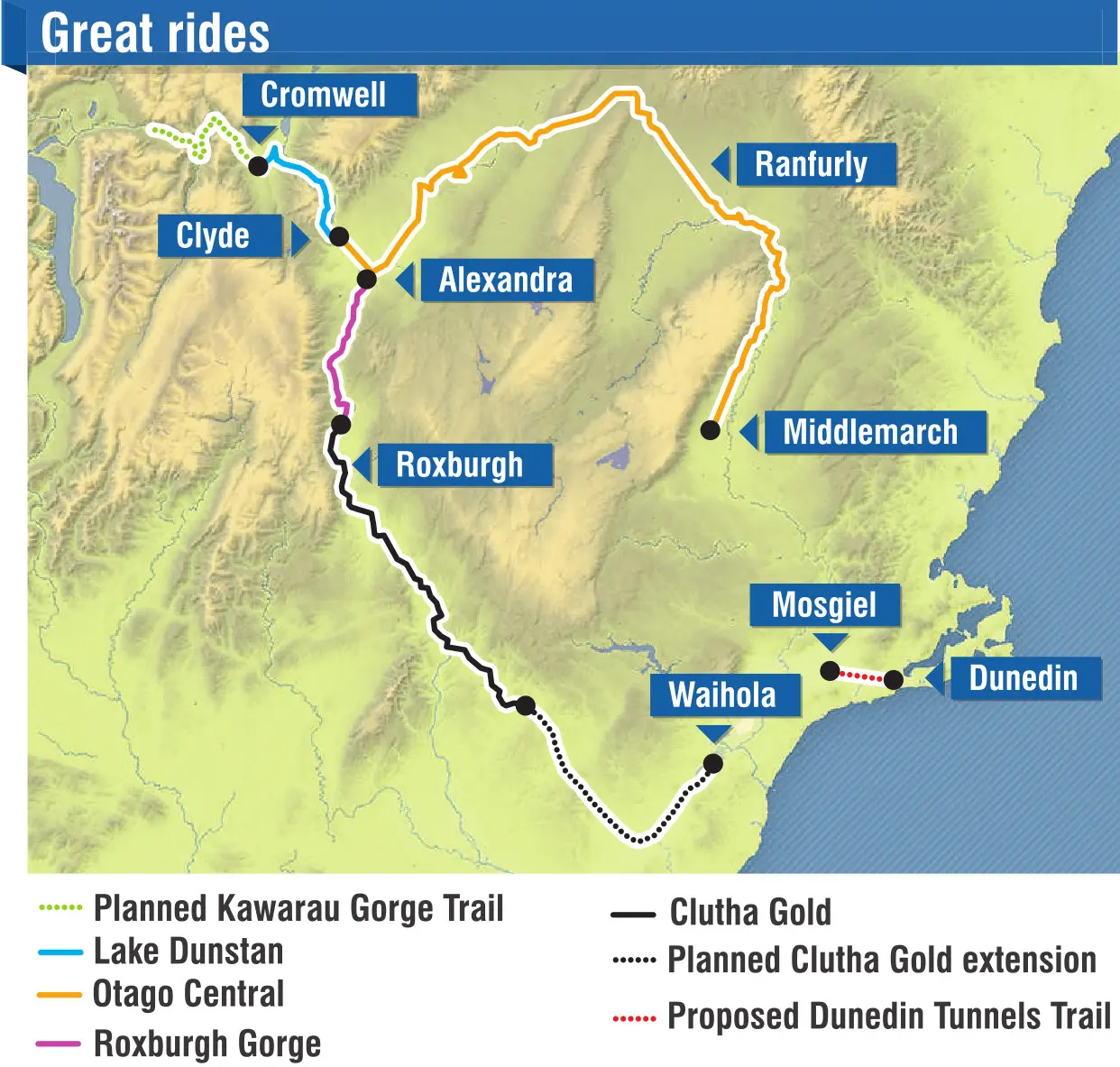
Longer term, the city is poised to link up with the renowned Central Otago and Clutha off-road trails.
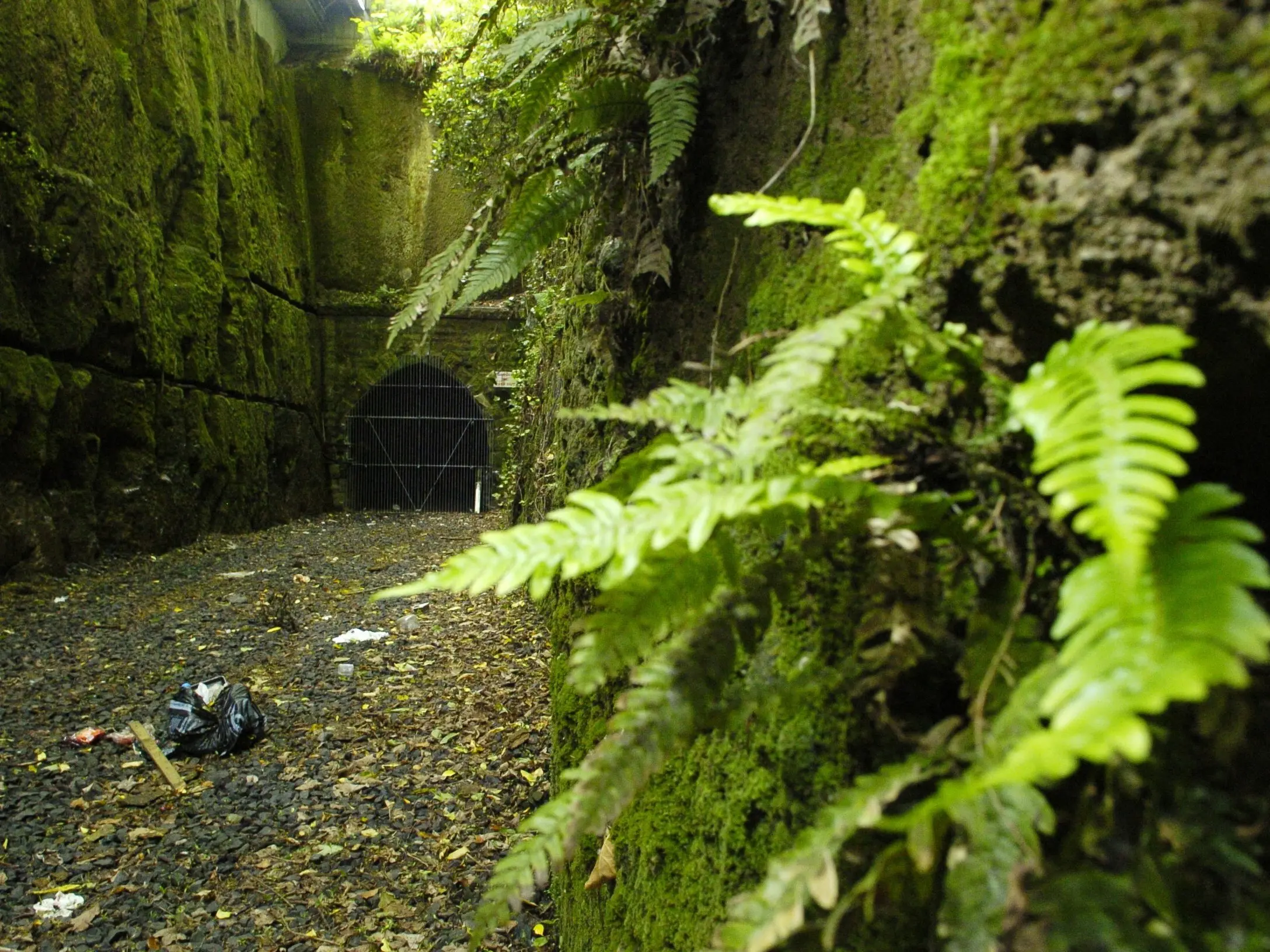
One selling point for the planned Dunedin-Mosgiel trail would be re-use of two railway tunnels built in the 1870s.
Another would be a chance to fill a gap in cycleway connections, allowing better access to the city for Mosgiel’s population of about 14,700, as well as from Green Island, Abbotsford and Fairfield, Dunedin city councillor Rachel Elder said.
That could make a difference for families in choices ranging from weekend recreation to schooling, Dunedin Tunnels Trail trustee Kate Wilson said.
Dunedin City councillor Steve Walker said it would be an important part of the city’s cycling network and facilitate connection with the regional network.
"This type of infrastructure is now considered core or standard in the modern world and not in any way expensive once you factor in the accrued benefits of health, safety, increased travel choice and carbon footprint reductions," Cr Walker said.
It is not yet a certainty, however.
The council included just $21.9million in its 2021-31 long-term plan for a series of cycleway projects.
It turns out the full cost of the tunnels trail project alone, if links to central Dunedin and central Mosgiel are added in, is $29.8million.
Waka Kotahi NZ Transport Agency would provide a subsidy for just over half that total.
Councillors plan to put a series of other cycleway projects on ice, accelerate development of the tunnels trail and continue on with linking the Peninsula Connection shared path with the path alongside State Highway 88 to Port Chalmers.
All of that requires an $11.4million tweak to draft capital budgets and would leave the urban cycleways cupboard bare from 2026 to 2031, although lack of resources for the next decade would almost certainly be revisited in 2024.
If Dunedin residents have an alternative plan, such as that the tunnels trail should run from Dunedin only as far as Abbotsford initially, they will need to make the case in annual plan hearings in May.
Dunedin Tunnels Trail Trust chairman Gerard Hyland wants the full project to go ahead as soon as possible and he is buoyed by the success of the Lake Dunstan Trail, which opened in May last year.
By the end of January 2022, more than 62,000 pedestrians and cyclists had passed a trail counter there, far exceeding the projections of a 2018 feasibility study.
Tourism Central Otago general manager Dylan Rushbrook has said other trails in the region — the Otago Central Rail Trail, the Roxburgh Gorge Trail and the Clutha Gold Trail — had benefited from the attention Lake Dunstan has received.
Mr Hyland expected hundreds of people a day to use the tunnels trail to start with and he believed it would be viewed as a valid commuting option, "as well as just a bit of fun".
ELECTRIC bikes could make the transit as easy as driving and there was increasing emphasis on active transport.
"Dunedin needs it as much as anywhere else," Mr Hyland said.
The trail would follow the old railway alignment between Wingatui and Caversham, including the Chain Hills and Caversham tunnels that had not been used by trains since 1910.
Mr Hyland said that was the starting point for the line that went between Middlemarch and Clyde, built between 1891 and 1907 from prosperity arising from the gold rush. It closed in 1990 when the Clyde Dam was completed.
The tracks were ripped up soon afterwards and in 2000, the 150km Otago Central Rail Trail started, offering a new experience for cyclists, walkers and horse riders.
The Roxburgh and Clutha trails opened in 2013 and an extension to the Clutha trail to Waihola would be due for completion in 2023, Central Otago district councillor and trail trusts chairman Stephen Jeffery said.
Small towns and communities had been revitalised through the trails, he said.
A proposed trail linking Cromwell and Queenstown was awaiting consent.
Mrs Wilson said the cycling network would run from Queenstown to Waihola within five years.
A Heartland on-road route connects Waihola to Dunedin, but it is hoped an off-road route will be pursued in time.
THE grand plan would be completed by adding in Wanaka to Cromwell and with a route from Middlemarch to Dunedin, although planning for that is not understood to be well advanced.
Mr Hyland said access into Dunedin was a crucial piece of the puzzle.
"Without the tunnels, there is no easy way to get into Dunedin."
City residents often drove into the Taieri countryside before going for a recreational ride, he said.
If the project is approved, they may have a gentle warm-up and warm-down zone on the flat.
Mosgiel firefighter Blair Harcus said he had often biked an existing route into Dunedin when he was stationed in the city.
It did not sound straightforward when he recounted it to the Otago Daily Times.
Mr Harcus said it took him about 40 minutes and he estimated the new trail would save him 10 minutes.
Cr Elder put it this way: "With two very steep and intimidating hills and very little cycle infrastructure, the route from Mosgiel to Dunedin is both too hard and too unsafe for most people."
Cr Walker said many people had initially rejected the idea of a shared path to Port Chalmers.
"Stroll down to our still incomplete path on any weekend and you will be confronted with hundreds and hundreds of kids, teens, mums, dads, grandparents and visitors variously jogging, walking, scootering, roller-blading, pushing prams, walking dogs and ... cycling.
"You’ll experience the same on the Peninsula path."
The tunnels trail would also integrate with a package of transport projects designed to ease traffic congestion associated with construction of the city’s new hospital, including a planned park-and-ride facility at Burnside, Cr Walker said.
Council transport group manager Jeanine Benson told councillors 6km was considered the optimum cycling commute to work.
The tunnels trail is 15km, or a bit longer to get into the centre of Dunedin.
However, Ms Benson said the growing popularity of e-bikes, which made cycling easier, was another factor to consider.