
PHOTO
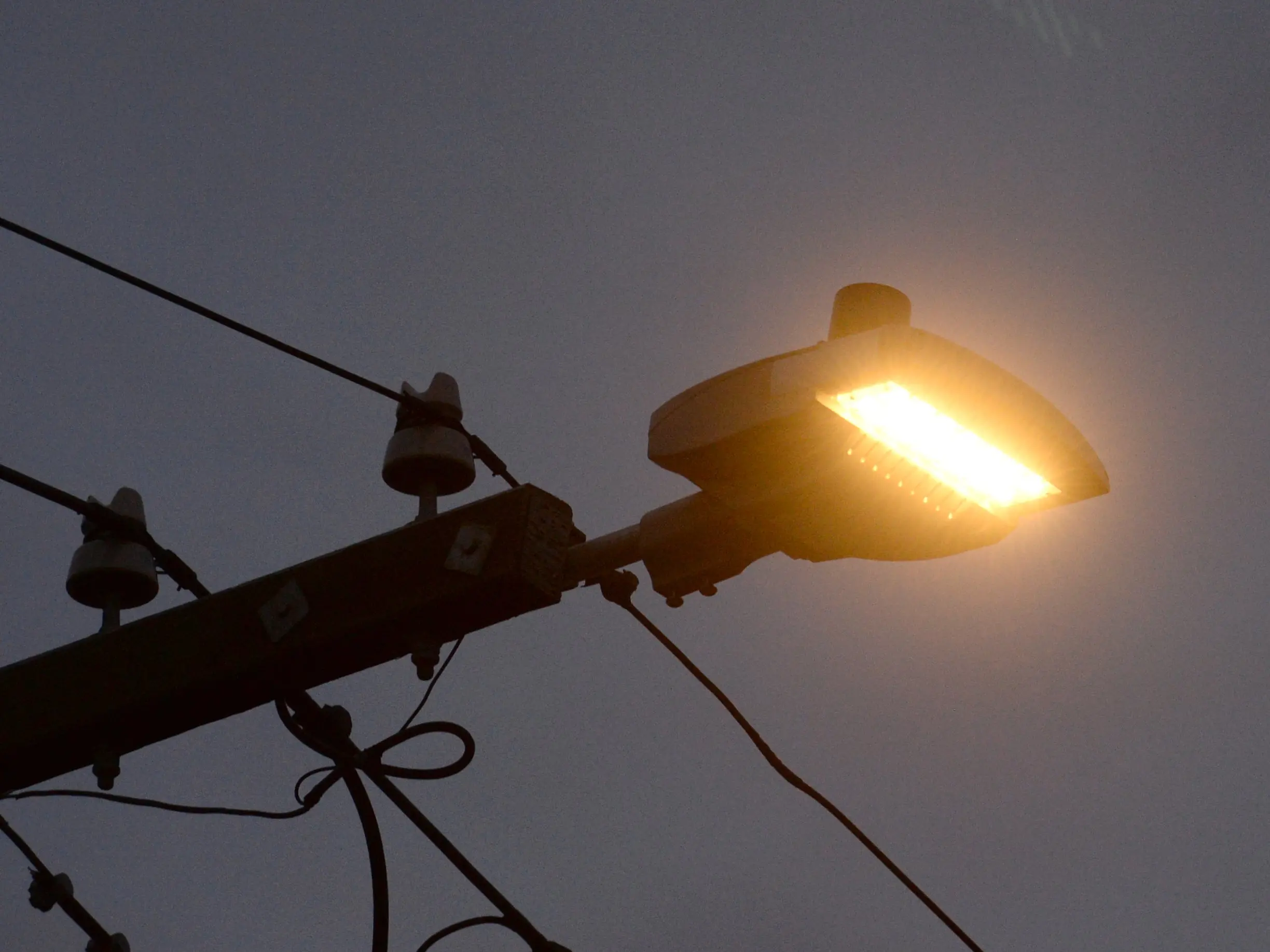
Fresh concerns have emerged about Dunedin's move to LED street lights, as a $15 million project to introduce the new lights across the city takes another step forward.
It was announced on Monday that Telensa, a United Kingdom company with offices in the United States and Australia, would provide its smart streetlight management system to manage Dunedin's new LED lights.
A $15 million, seven-year contract - 85% of it paid for by the NZ Transport Agency - was awarded to Broadspectrum New Zealand in May, covering the design, installation, management and maintenance of the network.
Telensa's PLANet system has since been selected by the Dunedin City Council to manage the new lighting network.
That would include providing a central management application, allowing the council to remotely tailor individual lights to suit each location, the company said.
The new 3000-Kelvin LED lights would take up to two years to be introduced across the city, replacing the city's 15,000 ageing high-pressure sodium streetlights.
Council transport group manager Richard Saunders said yesterday the first lights were likely to be installed later this year.
The new LEDs would be whiter and brighter than the city's existing amber lights, but shielded to reduce light spill.
Despite that, they have already prompted concerns from some about the potential impact on human health, wildlife and the night sky, as well as the loss of the city's existing vista of amber streetlights at night.
The council has already trialled the new lights on three streets in South Dunedin, and Mr Saunders said in April the public response had been ''positive''.
That was also the finding when the Otago Daily Times visited Oxford St late last year and spoke to residents who said the new lights were an improvement.
However, another Dunedin resident challenged that yesterday, sending the ODT a council summary of public responses to the trial lights.
The summary, which had been released following a official information request, included more than 30 responses, almost all of them opposed to the new lights.
The submitters' concerns included that the new lights would emit a colder, blue light that was ''blindingly bright'' and risked creating a health and safety hazard.
Introducing them could even leave the council liable for their negative effects in future, and the change should be reconsidered, other submitters argued.
Members of Dunedin's Dark Skies group have also argued against the new LEDs while pushing unsuccessfully for softer, warmer-coloured 2400K lights.
Mr Saunders yesterday maintained the feedback from residents where LEDs were trialled had been positive, but acknowledged others had expressed concerns ''in a general sense''.