

PHOTO
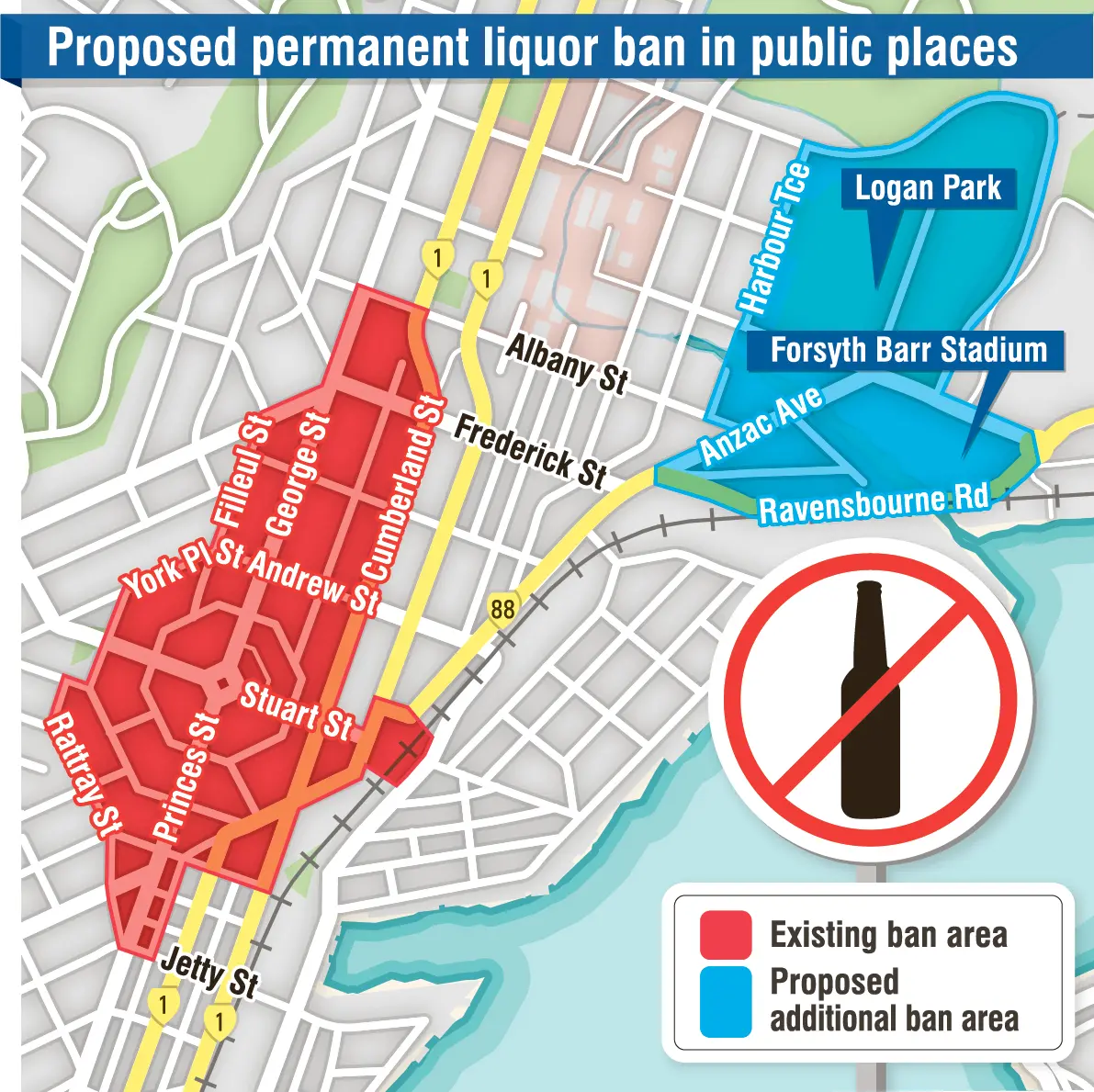
A permanent ban on alcohol in public places could be proposed for Dunedin’s Logan Park sports hub area and around Forsyth Barr Stadium amid concerns about crime, disorder and glass.
A draft proposal is for Logan Park to be added to the central city in having a liquor ban.
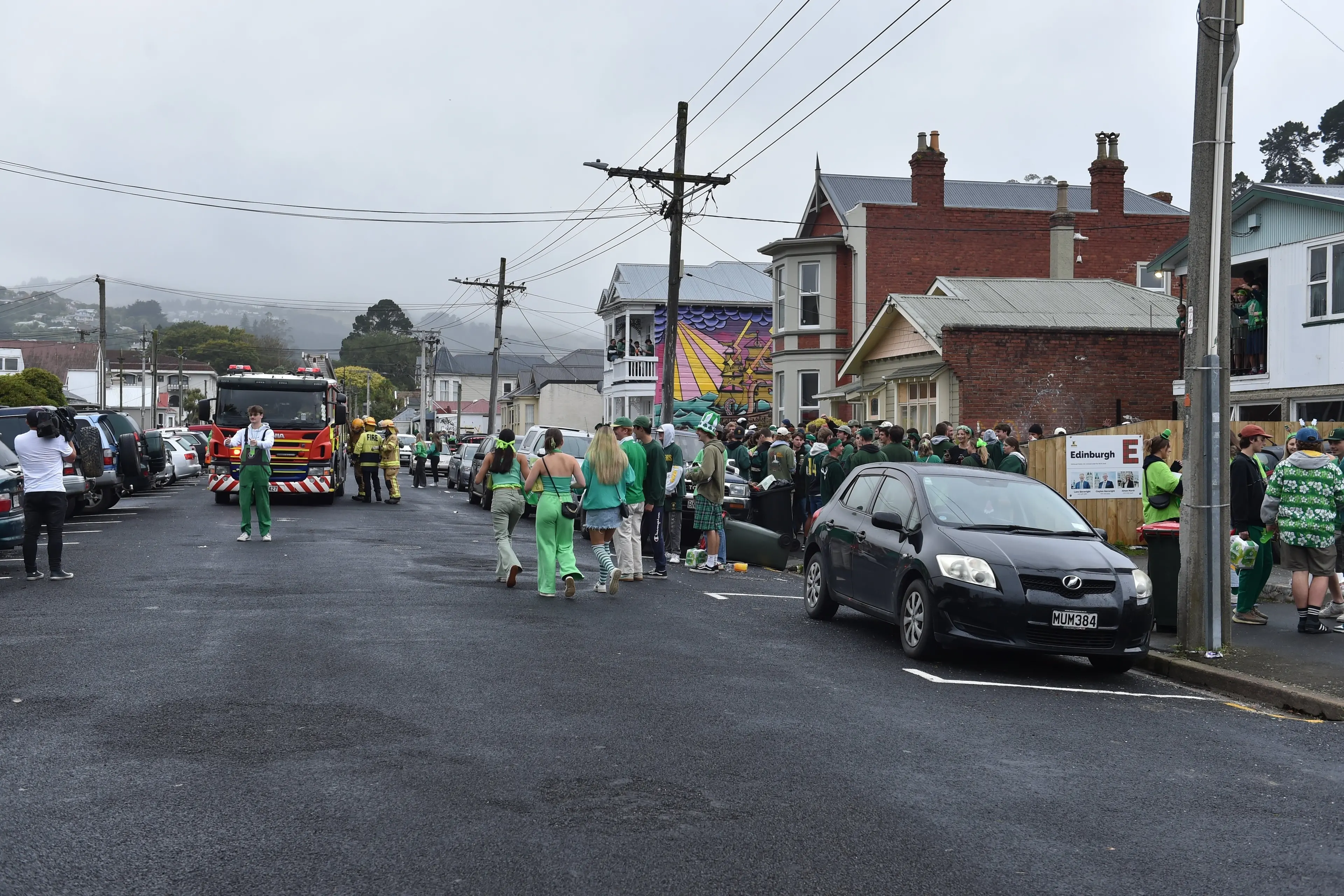
The move comes after some concern about the impact of St Patrick’s Day festivities and large flat parties in North Dunedin.
Authorities also highlighted issues with glass and alcohol-related litter and people pre-loading before events.
Temporary liquor bans have been used regularly around Forsyth Barr Stadium and Logan Park when big events are on.
However, a 60-person web survey indicated a permanent ban there may struggle to get public support.
Police were worried about levels of alcohol-related crime and disorder “likely to arise” if the area was not added to a city bylaw, as well as by what would happen if the central-city ban was lifted.
The Dunedin City Council is reviewing its bylaw about control of alcohol in public places and is to discuss on Wednesday approving a draft proposal for public consultation.
The draft features both the existing ban in the central city and adding the area around Forsyth Barr Stadium and Logan Park.
Once the draft bylaw and statement of proposal have been approved for public consultation, possibly with amendments, feedback would be received before a hearing expected to be held in November.
Dunedin police alcohol harm prevention unit acting Sergeant Chelsea Taylor-Harris pointed to their experience with St Patrick’s Day.
“In 2026, community constables were required to move on multiple students from Logan Park at the concern of parents supervising their children’s social sports practice both before and after school times due to the festivities of St Patrick’s Day being an all-day event,” she said.
“Left behind was an accumulation of alcohol-related rubbish.”
Council chief licensing inspector Tanya Morrison said she had observed a pattern of harm associated with people consuming alcohol while walking to events or gathering in nearby public areas before entry.
“Anecdotal evidence suggests high levels of pre-loading and public intoxication in these areas,” Ms Morrison said.
“This includes people arriving at events already affected by alcohol, discarding bottles and cans in nearby streets, reserves and sports fields, and at times concealing alcohol in garden areas.
“Student events, such as St Patrick’s Day celebrations and large flat parties around Logan Park High School, can create a significant path of harm.”
Glass added to safety concerns, she said.
“Clean-up crews, contractors and event staff are often required to remove glass, cans and other alcohol-related rubbish from sports fields, streets and public spaces before they can be safely used by the community.”
In September last year, police ran an operation across two weekends targeting people breaching the ban in the central city.
More than 130 infringement notices or warnings were issued.
Sgt Taylor-Harris said the main excuse people offered was having no knowledge of the ban.
There were now 80 updated signs in the alcohol ban area.