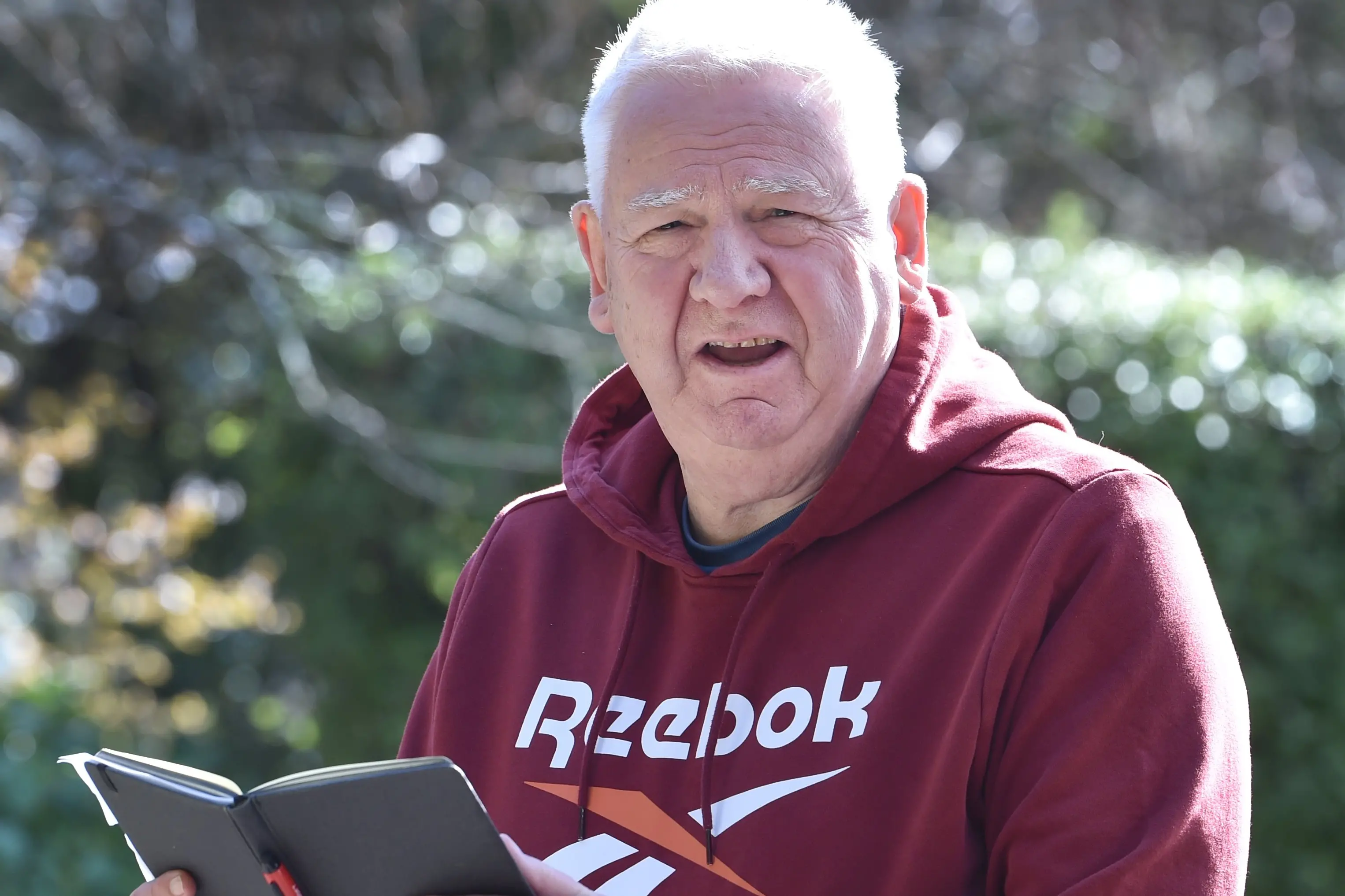
A Dunedin man says the Otago Regional Council has shown a cavalier attitude to its data security. Ross Taylor said the council should have come clean about its conduct after he received an email about a house in Mosgiel he had no connection with. However, the council said it was completing a thorough annual check of its emails database to ensure it was up-to-date and accurate for upcoming rates notices being sent out in September. Mr Taylor said his wife, Susan, was named as the second individual on their property’s rates bill. As the council only had his email, it used his email address for his wife. The council naively believed that the owner of a property in Mosgiel, who happened to have the same name as his wife, was in fact his wife, he said. “So they applied my email address to this property in Mosgiel. Because the owner of that matched my wife’s name,” he said. He then received a notice from the council about the upcoming proposal about changes to flood and drainage rates in the area. Data could not be shared and could only be used for the purpose it was designed for. He had dealt with data his whole life and what the council had done was unacceptable, Mr Taylor said. He had been to the council and asked what was happening and then received an unsigned notice at the weekend saying: “we’ve got a new database and we’re checking that everything’s OK”. The council had shown “a cavalier disregard to the sanctity of the data”. “They’re auditing the process, but in the meantime, they go ahead and use the data.” The council could have used a postage stamp to make it easier but wanted to save money, he said. Council finance group financial controller Sarah Munro said the council was doing an annual check of its emails database to ensure it was up-to-date and accurate for its upcoming rates notices being sent in September. The email sent to Mr Taylor was to communicate consultation on the Taieri targeted flood rate review. It did not contain any rating or financial information for the property and was sent before the email database check was completed. The email was to inform ratepayers of the consultation and was sent before the email database check was fully completed as the council wanted to reach as many people as possible for the consultation. The council was doing a dual email check — firstly to check email addresses back to original initiation support and secondly to ensure email addresses were still accurate with providers.