
PHOTO
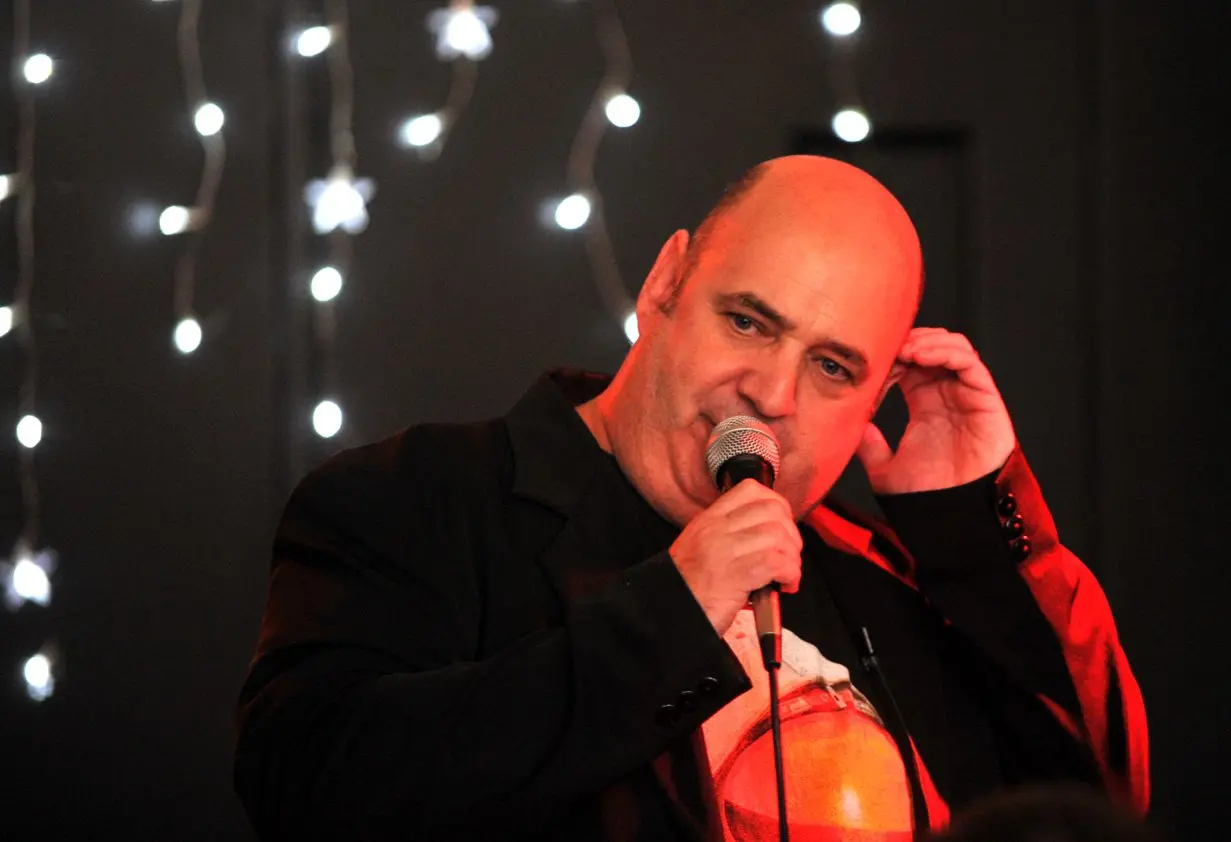
A Dunedin poet died by suicide after his mental healthcare ‘‘fell below appropriate standards in ways that contributed to his death’’, a coroner has found.
Ian Loughran, 55, was found dead in his Opoho home by his wife on July 19, 2021.
In May last year, Coroner Mary-Anne Borrowdale held an inquest, which uncovered multiple shortcomings in his care in the months before his death.
After two admissions to Wakari Hospital for displaying manic behaviour, Mr Loughran was not properly followed up and was ‘‘lost to care’’.
He was not seen by any clinician for 24 days before he was found dead.
‘‘Mr Loughran should have been supported in making his way back to wellness. Rather, he was left on his own to manage,’’ the coroner said.
‘‘I have found there to have been significant failings in the delivery of care. These short-changed Mr Loughran and reduced his chances of recovery,’’ she said.
And she warned it could happen again after an internal review by Health New Zealand (HNZ) found the ideal standard of in-person hand-overs was ‘‘not achievable’’.
‘‘This response provides no reassurance at all that what happened to Mr Loughran could not recur,’’ the coroner said.
Mr Loughran’s wife, Dr Andrea Insch, expressed significant concerns with the treatment and care of her husband, and her concerns formed the ‘‘backbone’’ of the coroner’s inquiry.
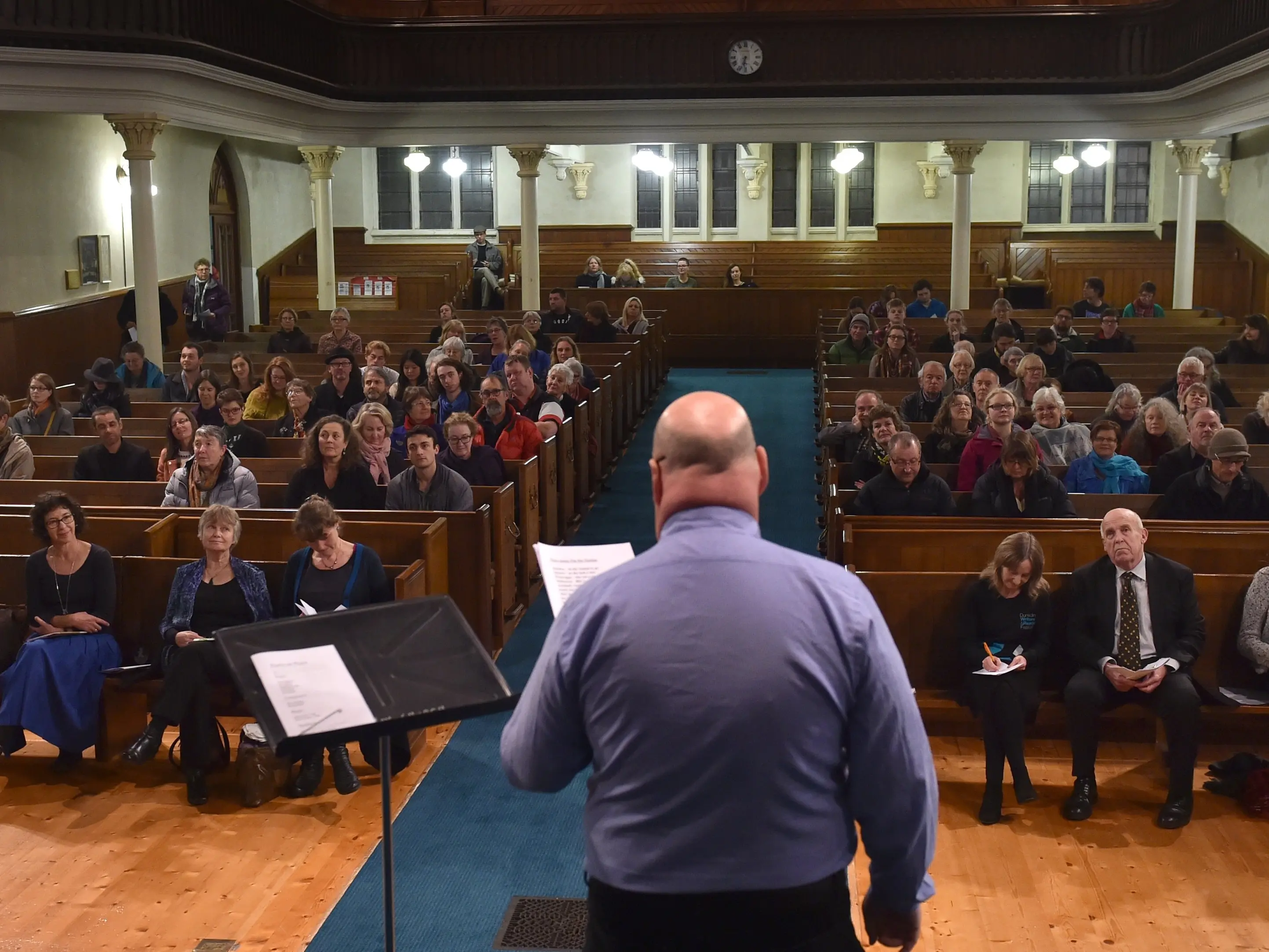
Mr Loughran was a poet, well-known volunteer and award-winning stand-up comedian.
He read his poems for audiences around the globe and wrote numerous plays, as well as hosting two radio shows.
Between August 2020 and January 2021 he began experiencing ‘‘manic and depressive highs and lows’’ and on February 10, was admitted to Wakari Hospital and diagnosed with bipolar disorder.
A discharge plan was created and he was released from the ward five days later.
The plan was abnormal because Mr Loughran had refused follow-up from a community mental health team, instead agreeing to receiving medication injections, seeing his GP and a private psychologist.
HNZ guidelines dictate once a mental health patient is discharged, there should be a follow-up within seven days.
But Mr Loughran did not attend that appointment and was uncontactable.
Despite that, he was formally discharged from all mental health services.
At the inquest, Mr Loughran’s wife said he was ‘‘basically being discharged into thin air because there was no-one who was really actively looking after him’’.
A mix-up with the patient’s paperwork meant he did not get the injected medication required to stabilise his mental state.
The clinic which provided the medication wrongly believed it did not have the required information to complete the referral.
In a 2022 explanation of events, clinic staff said: ‘‘As the days and weeks passed, and there has been no communication to us, Ian Loughran’s documents were filed away’’.
The coroner said it was ‘‘egregious’’ of the clinic to close the referral without notifying anybody.
‘‘Given how essential and life-changing the [injected] medication can be - and the potentially severe consequences if a patient is unmedicated - it is inexplicable that the clinic failed to act on the prescription ... sent through and simply ‘filed away’ [the] referral,’’ she said.
The coroner found issues with Mr Loughran’s discharge on this occasion ‘‘amplified’’ his chances of relapsing and ‘‘likely made a meaningful contribution to [his] death’’.
She said too much trust was placed in Mr Loughran to follow the discharge plan.
HNZ accepted errors had been made, but said the coroner was ‘‘drawing a long bow to treat any of its acknowledged shortcomings in care as causes of death’’.
In the weeks following Mr Loughran’s first discharge, Dr Insch called Emergency Psychiatric Services (EPS) several times with concerns about her husband and they discussed whether she should invoke the Mental Health Act.
The inquest heard Dr Insch found it ‘‘profoundly distressing’’ to be made responsible for having her husband sectioned and wanted specialists to initiate that process.
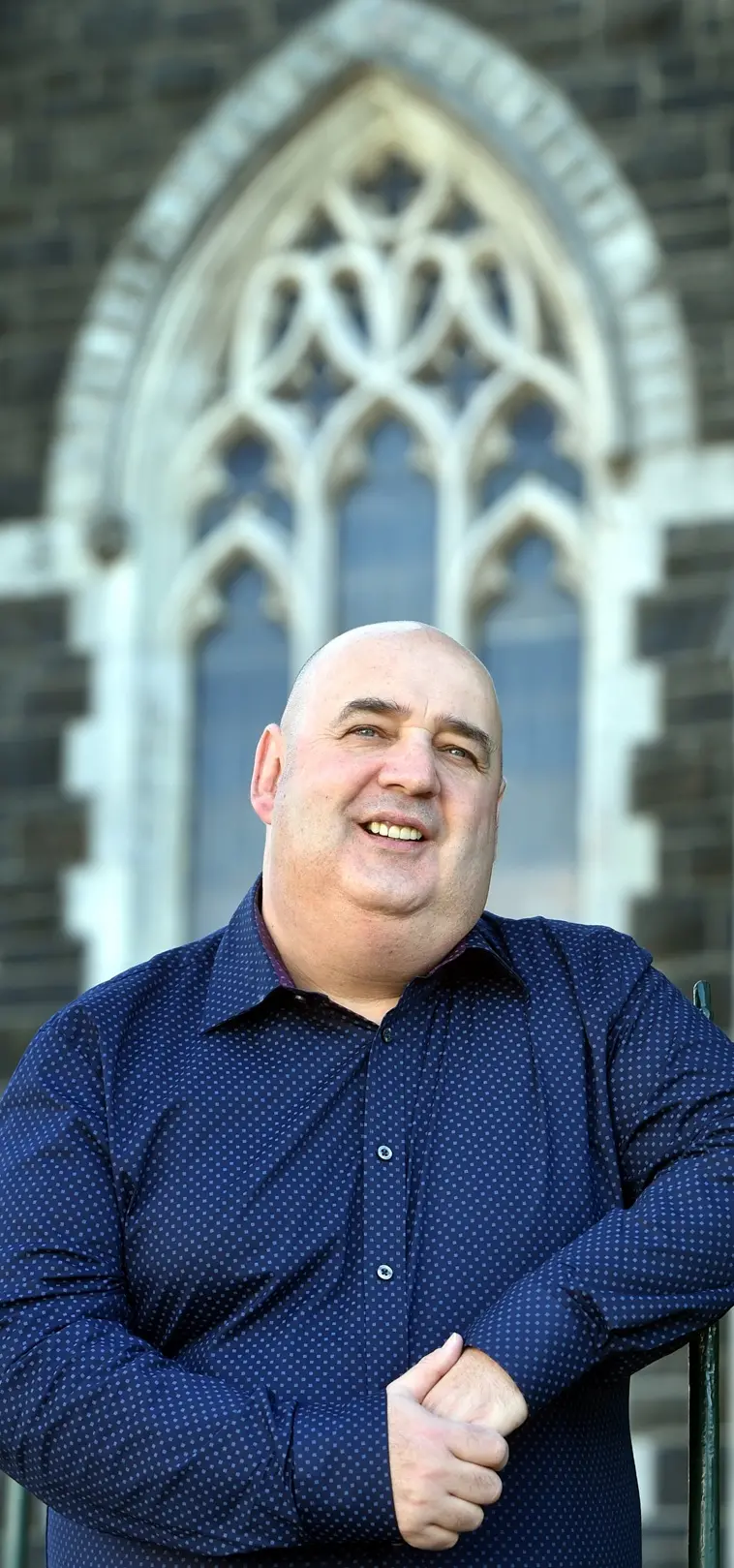
Mr Loughran was readmitted to Wakari Hospital on March 17.
He had ‘‘all the hallmarks of mania’’, was claiming to be a famous painter, a secret agent, the saviour of the yellow-eyed penguins and a millionaire.
He stayed there until April 9, and again was ‘‘lost to care’’ upon his discharge.
His discharge plan on this occasion was agreed on similar terms, only this time Mr Loughran agreed to be seen by the community mental health team.
A registered nurse spoke to him a few days after his release from hospital and later visited at his home.
The nurse noted nothing of concern and told Mr Loughran a key worker would be assigned for further community follow-up.
But no key worker was appointed.
At inquest, the reason why could not be established, and HNZ described it as ‘‘perplexing’’.
‘‘In my assessment, clinical records misleadingly describe Mr Loughran as then going ‘Awol’ and ‘avoid[ing] being seen by our services’ after his discharge,’’ the coroner said.
‘‘It would be more accurate to state that EPS avoided having any contact with Mr Loughran.’’
Between April 15 and June 18, the community mental health team made no attempt to contact him.
After calls to EPS from Dr Insch, they realised no appointment had been made since his discharge and on June 18 a registered nurse phoned Mr Loughran, who said he was managing well and had returned to work.
Mr Loughran attended an appointment with psychiatrist Chris Wisely on June 25.
Dr Wisely referred Mr Loughran to a registered nurse, who attempted to set up a meeting with the patient multiple times, but arrangements were interrupted by her scheduled leave.
Dr Wisely said she could follow up once she returned.
On July 17, Mr Loughran sent a text to his wife reading ‘‘Love you so much xx’’ and she did not hear from him again.
When Mr Loughran failed to attend a meeting two days later, the psychiatrist contacted Dr Insch, who called EPS.
She was instructed to go to his home, but by then it was too late.
The coroner made multiple recommendations which focused on addressing the gaps in Mr Loughran’s care.
‘‘After both of Mr Loughran’s inpatient stays, his follow-up care derailed and was not delivered in accordance with discharge planning. There was no continuity of care, and each time a vital handover occurred he was cut loose of essential supports, who - in turn - were not aware that he had been dropped.’’
She noted HNZ had conducted its own review following Mr Loughran’s death and had made improvements in some identified problem areas.
‘‘Health NZ accepts that ... this inquiry highlighted a number of weaknesses in the processes of the mental health services, some due to resourcing issues and others to human error.’’
But HNZ said many of the coroner’s recommendations represented an ‘‘ideal standard of care’’ which staff aspired to, but which ‘‘cannot be consistently achieved given current staffing, funding and system pressure’’.
Apology for 'gaps in care'
In a statement today, Craig Ashton, group director of operations, Southern apologised for the gaps in Ian Loughran’s care.
“Firstly, I wish to extend my sincere condolences to Mr Loughran’s family and loved ones. We recognise the profound impact of his death, and the complexity of his healthcare journey.
"We acknowledge the Coroner’s findings and we apologise for the gaps in the care and support provided. Health New Zealand and all our staff are committed to providing the best possible care at all times, and a tragic outcome like this is distressing for all the doctors, nurses and support staff who were involved in Mr Loughran’s care.
"We are implementing improved processes to strengthen our engagement with whānau and are working to improve continuity of care, with a focus on better handovers between clinicians, and improved patient transitions from inpatient to community care with more coordinated systems of support in the community.
"These safeguarding measures will help reduce the risk of a tragic event like this occurring in the future.”
2021 timeline
February 10: Ian Loughran is admitted to Wakari and sectioned under the Mental Health Act.
February 15: He is discharged from the hospital and considered autonomous.
February 18: Mr Loughran does not attend a follow-up appointment. His GP is advised ‘‘a further appointment will be booked’’, but it is not.
February 19: Emergency Psychiatric Services (EPS) are unable to contact Mr Loughran and decide to discharge him as ‘‘there was no indication of a relapse’’.
February 26 to March 4: Dr Insch contacts EPS repeatedly with concerns for her husband.
March 17 to April 9: Mr Loughran is treated as an inpatient at Wakari.
June 25: Mr Loughran attends a scheduled appointment with a psychiatrist.
July 5: A nurse contacts Mr Loughran and arrangements are made to follow up with him once she is back from leave.
July 17: Mr Loughran sends a text to Dr Insch reading ‘‘Love you so much xx’’.
July 19: Mr Loughran does not attend his scheduled appointment with a psychiatrist and is later found dead at his home.
Recommendations
• Health New Zealand should implement its original plan to require a clinician-to-clinician verbal handover at the point of inpatient discharge.
• Enhance HNZ software platforms so an alert is sent to the responsible clinician advising of a newly transferred outpatient.
• HNZ should clarify guidelines around who is responsible for approving (if not drafting) each discharge summary.
• All information necessary for the continuing care of the patient should be documented in the discharge summary.
Need help?
Healthline 0800 611 116
Lifeline Aotearoa 0800 543 354
Suicide Crisis Helpline 0508 828 865 (0508 TAUTOKO)
Samaritans 0800 726 666
Alcohol Drug Helpline 0800 787 797
General mental health inquiries 0800 44 33 66
Depression Helpline 0800 111 757