
PHOTO
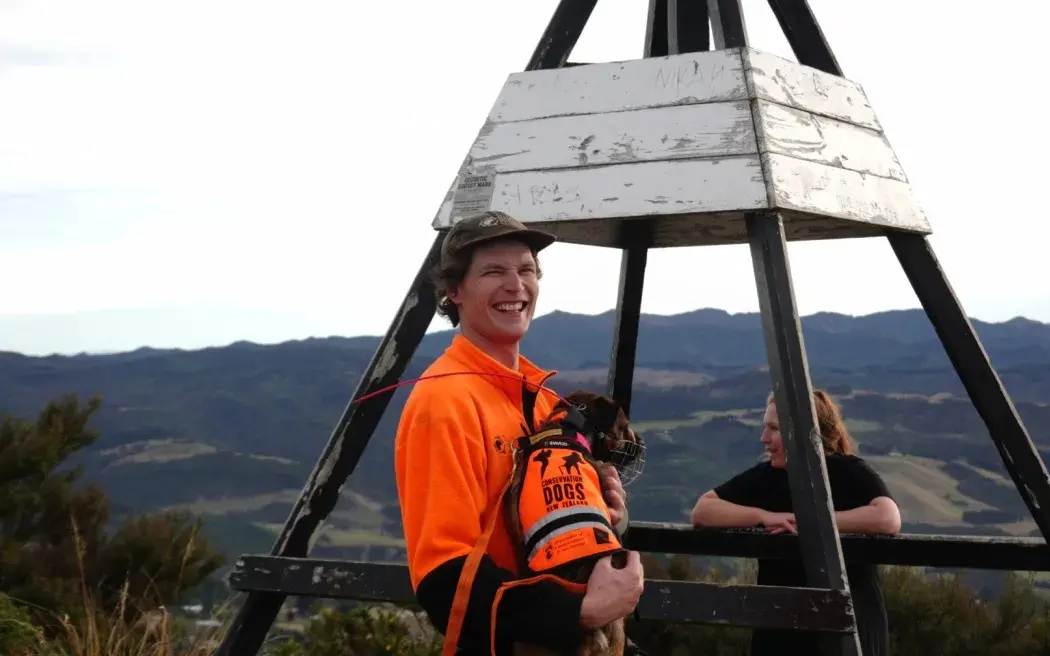
Conservationists expect to officially declare the Otago Peninsula possum-free soon and put more pest species in their sights.
There have been years of mahi from residents, community groups and the Predator Free Dunedin collaboration to remove the pest from about 9000 hectares on the peninsula.
Otago Peninsula Biodiversity Group led community possum control on the peninsula for more than 15 years, laying down the foundations to make elimination possible.
Responsibility for eliminating possums formally shifted to Predator Free Dunedin in 2024 for the final push, with the Otago Peninsula Biodiversity Group turning its attention to controlling multiple species and the Sustainable Otago Peninsula initiative which aims to bring the community and different groups together to tackle ecosystem restoration, sustainable land use and food resilience.
A steep patchwork of backyards, gullies and bush is the last line of defence to stop them from reinvading.
More than 25,000 possums have been removed from the area over the years.
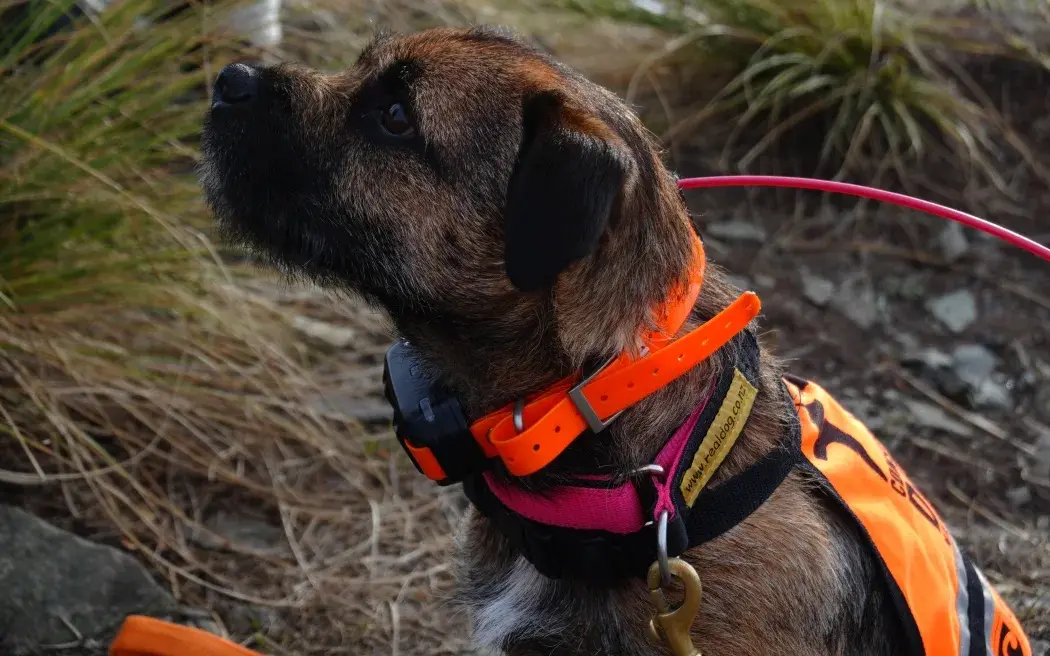
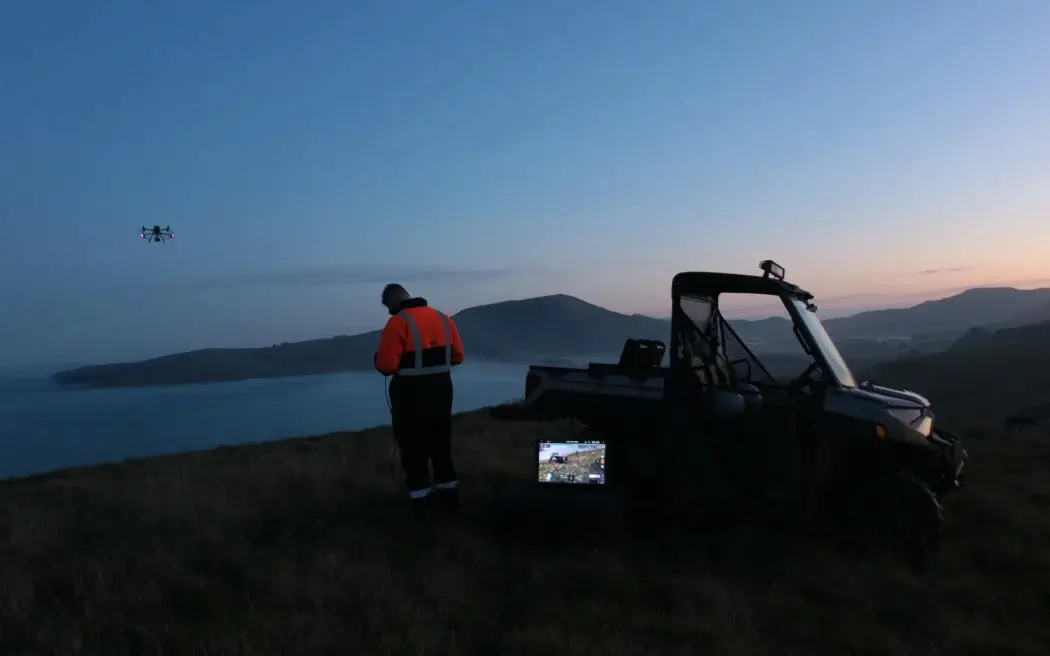
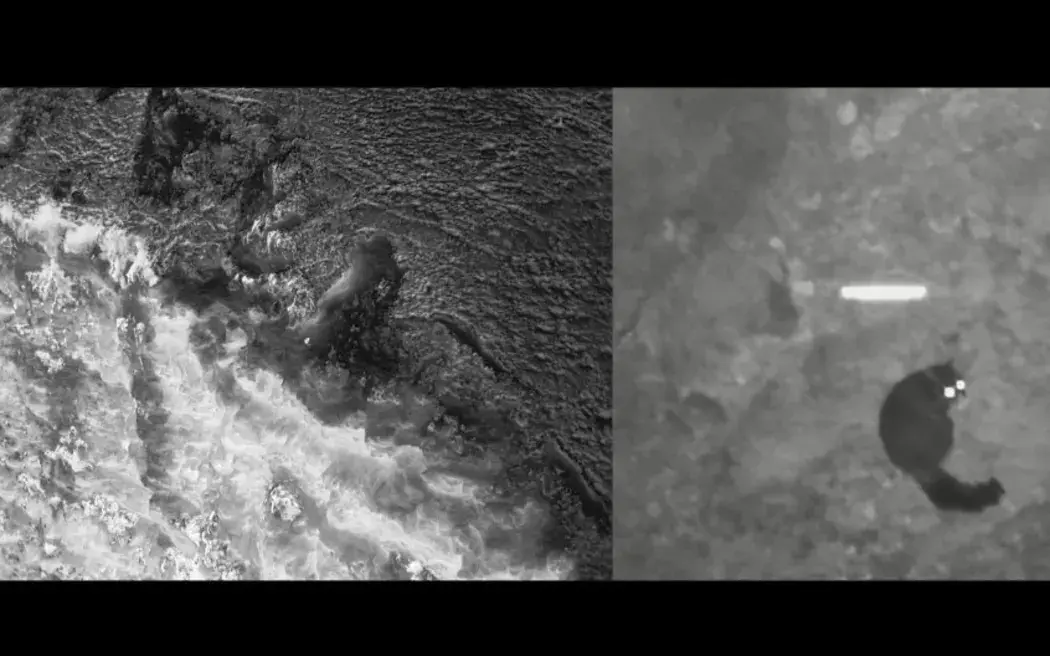
The Halo Project, a delivery partner of Predator Free Dunedin, is leading the efforts on the ground, using AI cameras, trail cameras, and possum scat detection dog, Scout, to track down any remaining survivors.
Its predator-free project manager Jonah Kitto-Verhoef said the community buy-in had been impressive and important, helping to report different sightings and granting permissions to clear predators from their properties.
"Possums don't really care about who owns the habitat. Obviously, it will straddle several adjoining properties," he said.
Kitto-Verhoef was also the handler for possum scat detection dog, Scout.
Scout was a crucial part of their response as he helped them to work out where they needed to invest their efforts and where they could move on, he said.
"Half the challenge is having the data confidence to make operational decisions with the speed that we need to do so the scat dog compared to every other technique, maybe bar thermal drone, is the real game changer for us to be able to move rapidly."
Predator Free Dunedin project lead Rhys Millar said the wider project area stretched across more than 40,000 hectares including Orokunui Ecosanctuary and in the city.
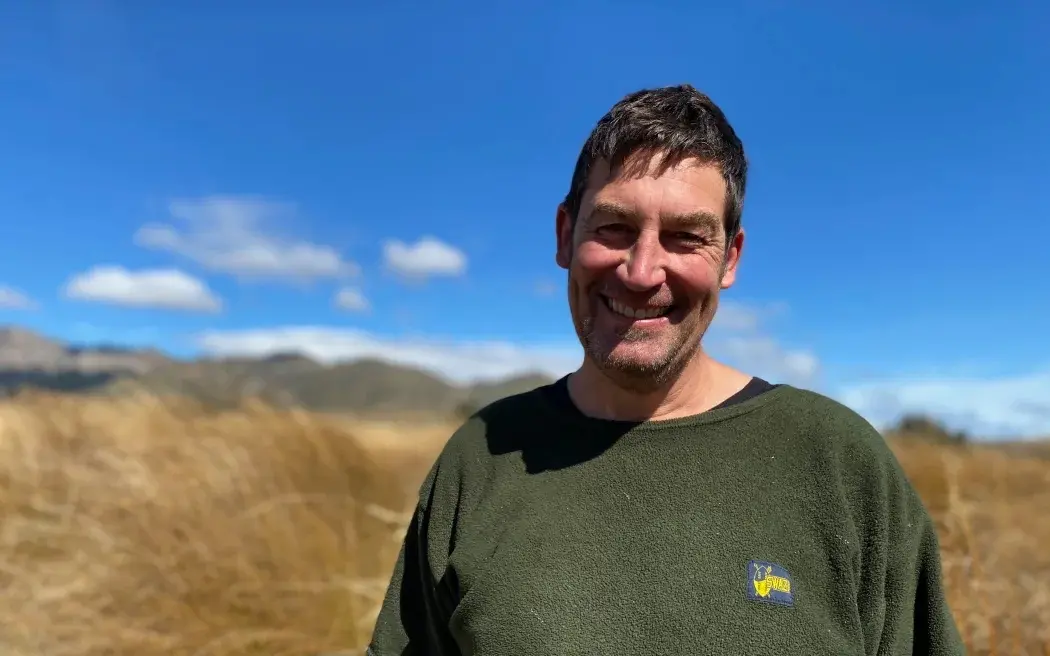
"We're now at a point where we feel confident that we can eliminate possums and we're beginning to explore multi-species elimination operations, which will encapsulate rats, the suite of mustelids as well as possums," Millar said.
"We're going to likely include feral cats and also rabbits in the mix. Not that rabbits are a target species for Predator Free 2050, we believe by removing rabbits it will make the control of mustelids a lot easier."
That included looking at which toxins, traps and tools were appropriate for the different communities and areas they covered.
Awareness campaigns and community conversations about the impact of cats and feral cats on native wildlife were already underway, he said.
Kitto-Verhoef said they were already noticing more bird life and more diversity of plants that would usually be snacked on by possums.
"We've got people in residential areas who are winning flower competitions with their magnolias for the first time because they've been browsed so heavily by possums.
"People enjoy crops of broad beans and their roses so I guess our view of success is often in a conservation lens but for some people success is being able to grow a healthy rose bush."
It was exciting to see less pressure on the ecosanctuary's fence and vulnerable species spilling out from Orokonui, and now that plan was to improve survival rates of native species, he said.
While he was excited to celebrate success on the peninsula, Kitto-Verhoef said he was excited for the next challenge.
Millar said they were only funded until the middle of 2027.
"Current funding uncertainties do make forward planning beyond the next two years quite difficult so it's really important for us to prove that we can deliver."
They might reach a time where they had to simply maintain their wins and tread water rather than expand further as it was vital not to lose the hard-won gains, Millar said.
