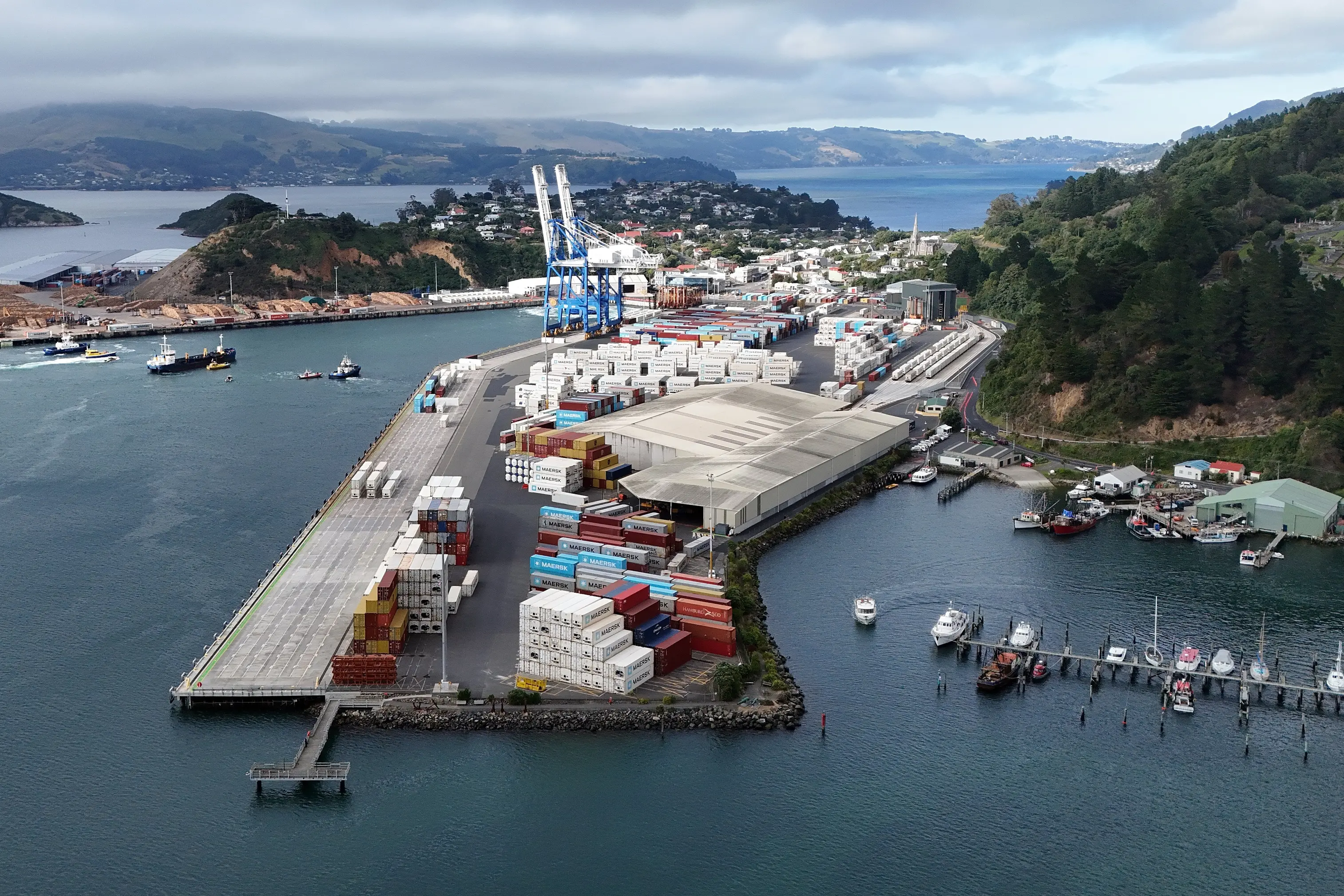
Any condition around land reclamation for a planned inland port near Mosgiel would be “unlawful” and is outside the scope of the fast-track process, lawyers say. The comments were in response to a submission on behalf of Te Rūnaka o Ōtākou on the Southern Link Inland Port, a joint venture by Port Otago and Dynes Transport, which is seeking fast-track consent approval. The application proposes a new rail siding to Port Chalmers, about 80,000sq m of warehousing and other infrastructure to enhance the wider Otago freight network. In its submission, Te Rūnaka o Ōtākou questioned if the inland port application was the result of constraints in the Otago Harbour which made future reclamation “impractical or unfeasible”. It had understood from discussions that Port Otago would commit to no further reclamation in the Otago Harbour if the inland port was granted consent. However, the application was unclear about this commitment. In recent discussions, Port Otago appeared unwilling to commit to this, which Te Rūnaka o Ōtākou argued raised an important issue for the fast-track panel in assessing the claimed benefits of the inland port; as well as consideration of adverse environmental, cultural and Treaty of Waitangi effects. In a legal submission, counsel for Southern Link Property Limited (SLPL) said it was correctly identified that further reclamation of the harbour being unfeasible was the result of the environmental effects that would arise. But a “binding commitment” of no further reclamation in Otago Harbour was a matter outside the scope of the application. There was no need for the fast-track panel to make a finding on whether the unfeasibility of future reclamation led to the application. That had “no relevance” to the panel’s decision-making task. “Reclamation of the harbour is not subject to application here, and because there is no application for reclamation within the scope of this project, there is no assessment of effects of that activity,” counsel said. “Any condition around reclamation, if that is what Te Rūnaka o Ōtākou might be wanting from their comment would certainly be unlawful, unnecessary and not related to the effects of the [inland port] being consented.” Te Rūnaka o Ōtākou’s submission argued that without a commitment of no further reclamation, the adverse effects arising from the inland port would need to be reassessed on a different basis, as would the claimed regional and national benefits. Such a reassessment could conclude the proposal would be unacceptable from a cultural and environmental effects perspective, it said. But SLPL’s counsel said this suggestion was not accepted. It had made extensive efforts to consult with and assist experts engaged by Te Rūnaka o Ōtākou, at its own cost. Reclamation was also mentioned in the Treaty impact assessment as a “benefit”. Counsel reiterated no binding commitment was needed from Port Otago in respect to the Otago Harbour. “At best, in respect to the Te Rūnaka o Ōtākou comment, the panel could give less weight to this stated benefit. “For completeness, SLPL submit that giving less weight to that listed benefit (or indeed even no weight) will not have any impact on the overall finding on regional or national benefits of the [inland port].” tim.scott@odt.co.nz