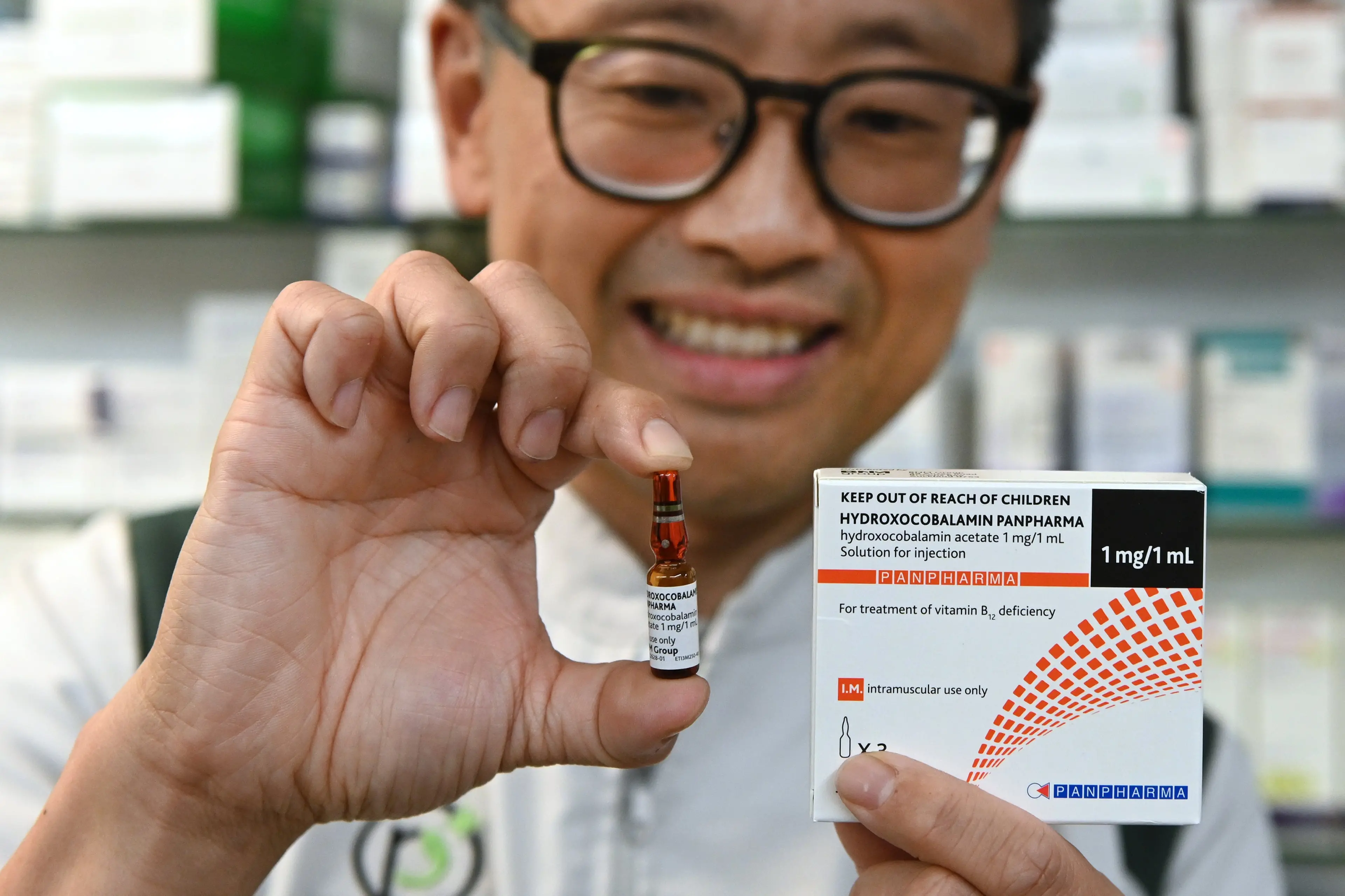
Elderly people in the South struggling to put food on the table are increasingly visiting the doctor malnourished and in need of vitamin injections in a situation labelled “disgraceful”. The Otago Daily Times has been told by a carer who assists with seniors that the cost of protein-rich food, particularly eggs and meat, has increased by so much over the past few years that it has forced older people to look for other sources. “When we talk about proteins, we talk about eggs, fish, meat. They’re almost out of reach now to a generation of pensioners, and indeed people who are on benefits or low paid. “All of a sudden, we are seeing older people needing iron tablets ... We’re also seeing B12 deficiency, so people are needing to go along to their doctor for B12 jabs. “So this becomes an impact on the health system as well. “Things are changing, and more people are getting sick, and there’s no way around that. “When you have already sick people, you have people who get sick through other diseases quicker.” Last month, Stats NZ reported over the past decade, wages had risen by about 52%. By contrast, butter prices were up 157% since 2016, eggs were up 125%, a loaf of sliced white bread was up 120%. Other foods which had seen prices spike were mild cheese, which was up 75%, beef mince was up 71% and potatoes up 73 %. Consumer NZ head of research and advocacy Gemma Rasmussen said food insecurity was becoming increasingly common because people were being forced to rule out some healthy foods due to the cost. It was a situation the advocacy group was monitoring closely, she said. [Missing Credit]Jenny Macdiarmid. Photo: supplied WellSouth clinical advisor Jenny Macdiarmid said the issue of elderly malnutrition had become increasingly serious, and various Public Health Organisations (PHOs) and research outlets had formed a working group on the subject. “Frailty or malnutrition wasn’t necessarily a weight issue: people could be overweight yet malnourished if they were not eating the right things,” she said. “Very few people who require some sort of intervention for malnourishment receive it due to lack of funding and resources.” Dr Macdiarmid said elderly malnourishment was largely underestimated and undiagnosed. “Cost plays a huge part in what people eat. “We know the issues, but we need the resources to deal with it.” Identifying the problems and causes was half the battle, she said. “If we can do so early into proceedings that avoids potentially weeks of hospital stays, which is a good outcome for both the patient and the health system.” SuppliedDr Sue MacDonell, Senior Lecturer in Nutrition & Dietetics at the University of Auckland. Photo: supplied Senior lecturer in nutrition and dietetics at the University of Auckland Dr Sue MacDonell said elderly malnutrition was “certainly becoming more noticeable” in recent years. “If you’re fit and well and healthy, the risk of malnutrition is quite low. “It’s between three and 15%. “But once you start to add on some of the clinical conditions that happen as we age, then the risk goes up to around about 33 to 50% of people being at risk of malnutrition.” This figure would surprise many New Zealanders, Dr MacDonell said. “We’re thought of as a land of plenty. “But even when we have high body weight, we’re still at risk of malnutrition if we start to lose weight unintentionally.” Nutrient-rich foods such as meat, fish, chicken and dairy products were often “the first thing that get left out of the shopping basket,” when money gets tight, Dr MacDonell said. “They supply a whole range of nutrients that we can actually absorb and use in our bodies much more easily than we can from vitamin supplements. “So once we start reducing the amount of those foods, we’re at much higher risk of not meeting their needs.” The actual recommended body mass index range shifts up as people get older. “Literally having a cushion [of weight] is a good thing [at old age],” Dr MacDonell said. Taieri MP Ingrid Leary, who is also Labour’s seniors spokesperson, said the situation was “disgraceful” and seniors “couldn’t afford much longer than this”. WellSouth were bringing out a screening tool for frailty, which would help practices identify and target those older people who needed further nutritional assessment and input, Dr Macdiarmid said.