
PHOTO
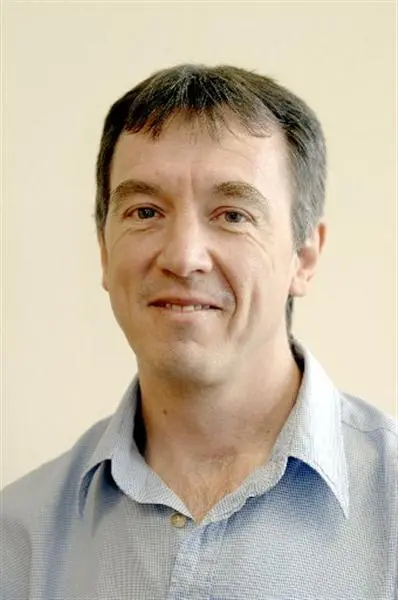
Otago and Southland district health boards enter the new year with a new regional management structure, although it differs from that originally proposed in October.
Changes include an Invercargill-based deputy for chief executive Brian Rousseau and the dropping of plans for a regional general manager of hospital services, amid some concern the suggested structure placed too much emphasis on such services.
Mr Rousseau, who was permanently appointed to the joint chief executive job in October, announced the changes following consultation on a proposal which would have featured a 10-strong regional executive management team below him, with each board having four executives on the next tier down who would have reported to the hospital services general manager.
Under the revised version, the two-tier effect goes, with 12 executive positions below Mr Rousseau and a University of Otago health sciences representative with an advisory role.
The costs of the new setup have not been finalised, but Mr Rousseau said he expected it would be less than the existing arrangement.
Costs for regional positions are shared on a population basis, with Otago paying about two-thirds and Southland the rest.
Only one position, that for a support manager in his new office, was to be advertised (internally first and then externally if there are no suitable applicants).
A vacant regional development position had already been disestablished.
Since most positions had not changed significantly, the structure began late last year rather than in January as planned under his original proposal.
The changes had been well received by most staff.
"There will always be some people who are not happy.
''That's part of business, I suppose."
The deputy regional chief executive position, which will be added to the role of the chief operating officer of the Southland District Health Board, Lexie O'Shea, did not feature in the original proposals put out for consultation in October.
Mr Rousseau said he had decided to appoint the deputy to provide back-up to reduce his workload and allow him to focus on key strategic issues facing both boards.
The deputy will also be required to lead collaboration between the services of the two boards.
He made it clear that although his deputy would be in Invercargill, he still intended to spend a significant part of his time in Southland.
He received 34 submissions on his proposal, some concerned there should be more emphasis on community health services and that representation of professional groups and community services was required to ensure equal representation for both.
It was logistically impossible to have each professional discipline represented or realistic for individual management executive member's titles to capture each discipline they led.
However, he would ensure the position descriptions showed which professions or groups would be "represented" by each member.
Plans have been scrapped for two positions relating to hospital services - regional medical adviser and regional nursing adviser - which would have been filled annually by alternating the chief nursing and chief medical officers from the two boards.
Submitters questioned the ability of these officers to provide continuity and commitment when they had responsibilities on their particular boards and there were workload concerns.
Mr Rousseau decided to continue with the existing structure in this regard, under which all four existing nursing and medical officers form part of the regional executive team.
The regional Maori health adviser position will be filled on an 18-month rotation by Southland and Otago Maori Health managers. (Otago has not had a Maori health manager for more than a year.)Although he had received some proposals to the contrary, Mr Rousseau maintained his view that the human resources, finance and information regional officers should all report directly to him and have representation on the regional management executive.
Plans for Mr Rousseau's office have changed to include the communications officers from both boards.
Under the original proposal they would have reported to officers in their respective boards, but Mr Rousseau said many submitters had suggested that because of the wider focus they should report through his office.
They would do so through his office support manager.
A NEW LOOK
Features of the new regional executive management structure for Otago and Southland health boards are. -
• A deputy regional chief executive based in Invercargill.
• The new position of support manager for regional chief executive Brian Rousseau.
• A University of Otago health sciences representative in an advisory role.
• 12 executive positions, including:Chief medical, nursing and operating officers from each board.
• Maori health adviser to be filled on 18-month rotation by each board.
• Regional clinical adviser (community services), general managers of human resources and planning and funding, chief information and financial officers.