



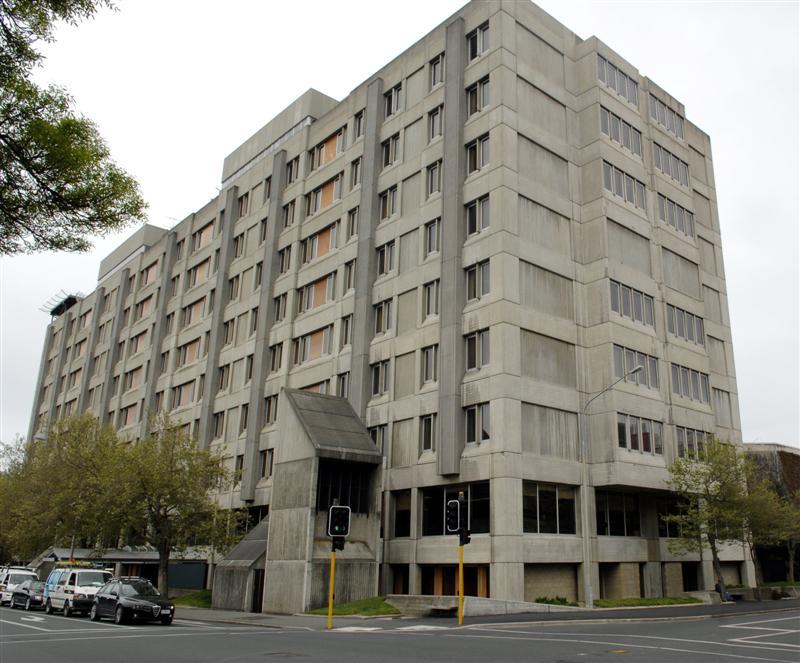
Deputy Health and Disability Commissioner Deborah James investigated the way the woman was cared for and today issued a report which criticised hospital procedures for detecting and monitoring sepsis, the decision to transfer the woman despite her being desperately unwell, and the note taking of some of the nurses who looked after her.

Because of the number of clinical staff involved in the care of the woman, the commissioner chose to make an adverse finding against the former Southern District Health Board for its patient management processes rather than censure any individual staff member.
"Staff failed to obtain the full clinical picture... did not appreciate the risks involved in proceeding with the repatriation... and did not take the appropriate actions, as required by the Deteriorating Patient Early Warning Score (EWS) escalation pathway flowchart, when the woman’s condition deteriorated and her EWS increased."
The woman broke a leg on July 23 in 2019 while skiing, and Dunedin Hospital surgeons operated to mend it that day.
Ms James said that the surgical care was excellent, but that the case raised serious concerns about the quality of the woman’s post-operative care.
"Blood tests and blood cultures were ordered, but no action was taken on the abnormal results," she said.
"It took over 10 hours from when the blood tests were requested for treatment to be provided to the woman."
The woman was due to be repatriated to her home country and a transfer had been arranged for the middle of the night.
Air ambulance crew deemed the woman too ill to fly and Ms James said it was unreasonable of hospital staff to have decided her travel should go ahead as planned.
Ms James also questioned the note taking of some of the nurses who cared for the patient.
She said having English as a second language might have explained why the nurses used terms such as "acting weird" and "annoying behaviour" in their clinical notes, but cautioned that as well as conveying clear meaning that nurses also needed to be professional and avoid distressing patients who might read their notes at a later date.
The SDHB (now Te Whatu Ora Southern) said it had taken the case as an example of poor care and used it in staff training sessions, and also reviewed its processes.
Ms James ordered them to apologise to the woman, develop and implement guidelines for the identification of sepsis, audit its sepsis management processes, and offer further training to the nurses involved on case documentation.


