

PHOTO
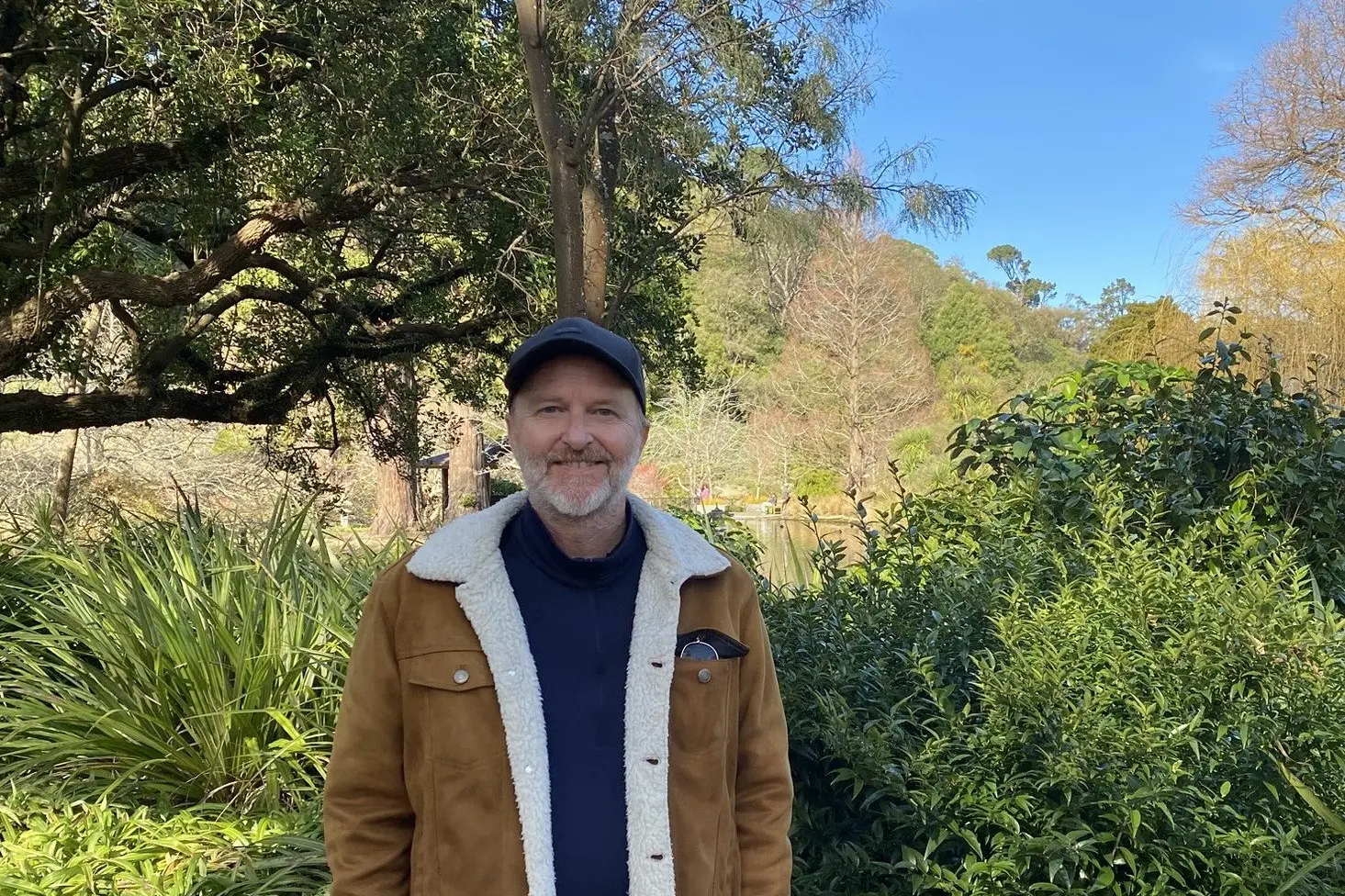
Dunedin author, documentarian and design lecturer Quinn Berentson has had a life-long fascination with the New Zealand bush and the extraordinary creatures within it.
That extends to creatures both living and long dead, including the moa and one of its major predators the terrifying giant Haast’s Eagle.
Having extensively researched and written an award-winning book on the extinct moa (Dinornis), entitled Moa: The Life and Death of New Zealand’s Legendary Bird (2021), Mr Berentson’s interest expanded to include the Haast’s Eagle (Hieraaetus moorei).
In a talk for a Birds NZ meeting this week, Mr Berentson shared some of that knowledge, along with highlighting the latest research into the powerful apex predator.
“Research shows that, while the Haast’s Eagle was endemic through the South Island, it was few in numbers — which is common among apex predators,” he said.
Haast’s Eagles were a major predator of the moa and when the moa became extinct (around 1400-1500), it appeared the giant bird soon followed.
“There are only three whole skeletons of Haast’s Eagles in existence, held in museums in New Zealand,” Mr Berentson said.
The fragmentary remains of only 50 individuals had ever been found, he said.
“The work I did on my moa book has led me to a fascination with the Haast’s Eagle — you can’t really tell the story of the moa without them.
“We know that the Haast’s Eagle was huge and a very powerful and dangerous predator, which preyed on the moa.
“They overlapped with humans and there have been stories handed down through Māori oral traditions of tribes having to deal with ‘flying taniwha’.
“A few individuals may have survived to the 19th century, but there is no way to know for sure.”
Some years ago, Mr Berentson was involved in an archaeological dig at Wairau Bar near Blenheim — site of New Zealand’s oldest Māori settlement — Haast’s Eagle bones were found in middens.
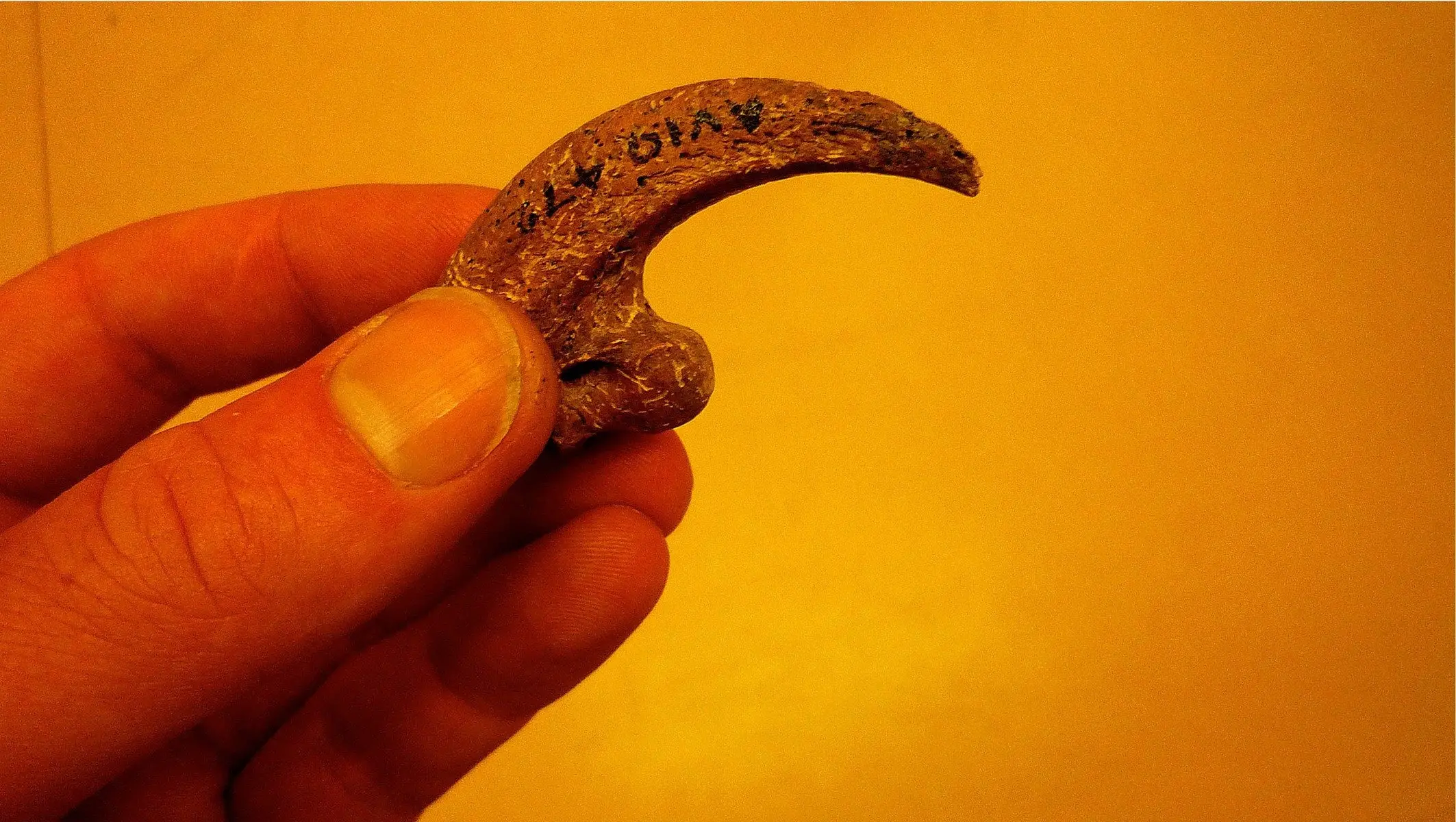
“Apart from these few fragments, all we have are the stories handed down by Māori ancestors of the danger of moving through the bush because of these giant birds,” he said.
“So, 600 years ago it would have been quite hazardous to walking through the bush in Otago — which is quite a thrilling thought.”
In recent years, researchers — including Canterbury Museum’s Dr Paul Scofield — compared the skull, beak and talons of the Haast’s Eagle held in Canterbury Museum with five living meat-eating birds.
This showed the world’s largest-known eagle gulped down viscera like a vulture and may even have been bald, like an Andean condor.
“The makes sense, since they will have been sticking their heads inside moa and other prey to eat their guts,” Mr Berentson said.
This theory is supported by an ancient Māori rock drawing, thought to depict a Pouākai or Haast’s Eagle, in South Canterbury.
Researchers also believe Haast’s Eagles were going after moa weighing up to 200kg — more than 13 times their own body weight.
“They would swoop down and use their enormous talons and beak to deliver a killing blow to their prey, which they could then eat at their leisure,” Mr Berentson said.
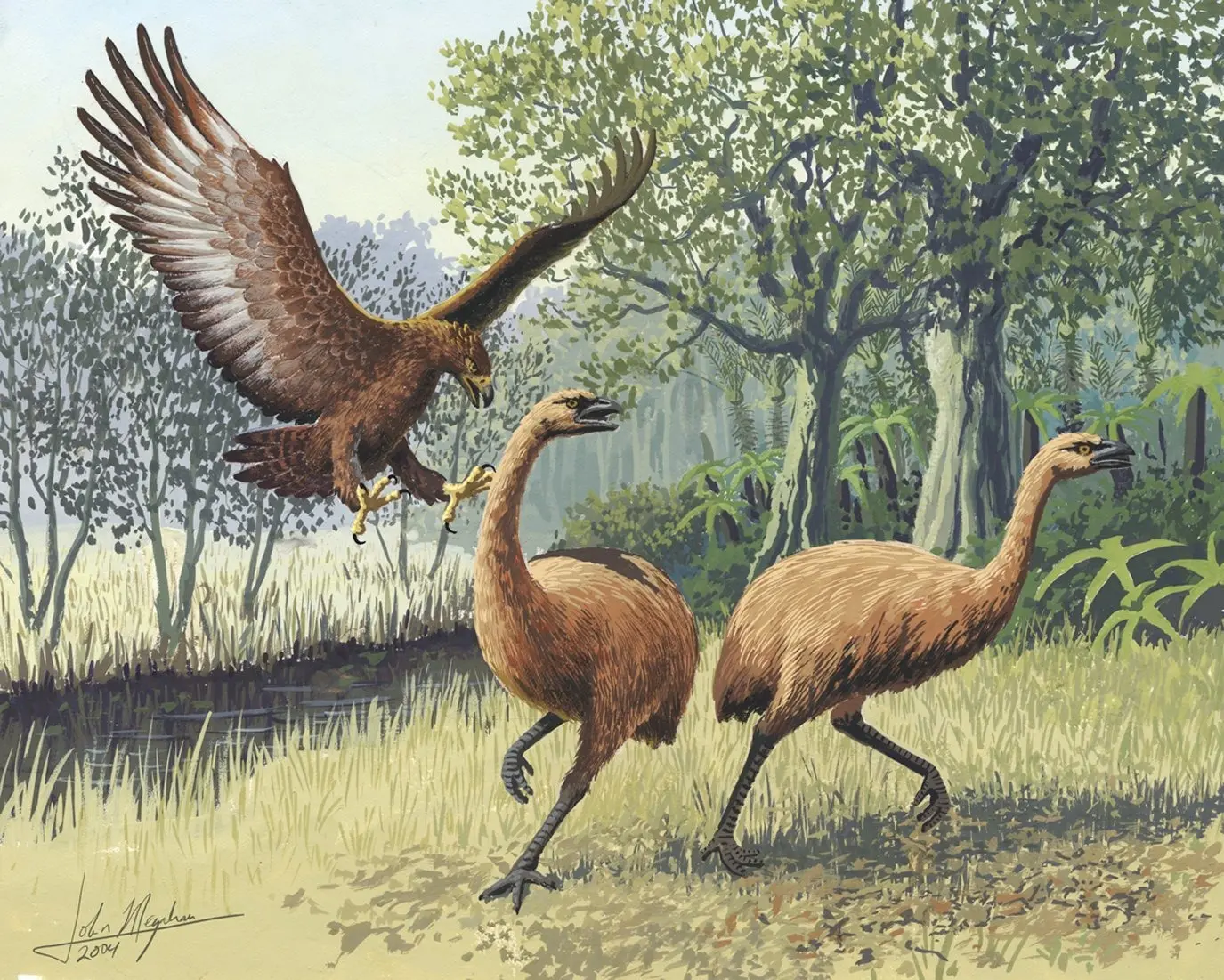
The Haast’s Eagle were also unique in their rapid evolution into a giant predator in only one or two million years.
“There is a lot of unusual biology about them.
“They were truly a magnificent and terrifying predator.”
Mr Berentson’s talk for Birds NZ this week was one of a monthly series held by the organisation.
- The popular annual Birds NZ spring birdwatching walk at Dunedin Botanic Garden will be held on September 20.