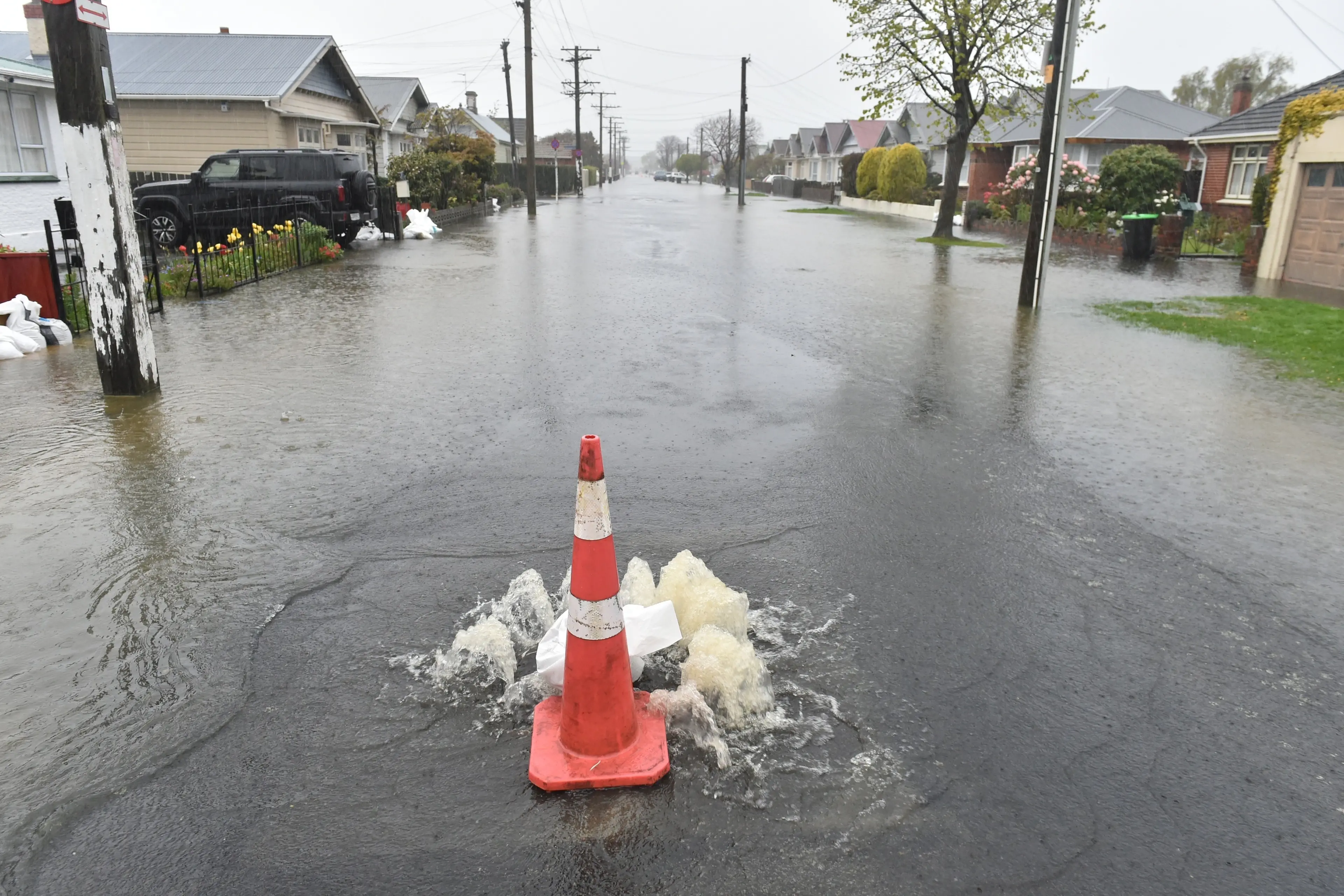
Revised options for long-term adaptation in South Dunedin amid climate threats may not be ready for council consideration until early next year. In the meantime, an engineering-focused “pipes and pumps” option for managing flood risk will need to be designed and other options tweaked, while shorter-term investment planning will also come into focus. A two-pronged approach has emerged for the next phase of the South Dunedin Future programme run jointly by the Dunedin City Council and Otago Regional Council — one aimed at infrastructure for the next 30 years and one focused on adaptation beyond the first 30 years. A rethink was prompted by councillors from the two councils deciding in June they should add an engineering-focused option to a shortlist of adaptation approaches. Infrastructure upgrades in the short term had already been a common theme across the options, but other elements were controversial, such as projected costs and signalling hundreds of homes could be acquired to enable adaptation to climate challenges. It was stated in June working up another option would delay public consultation by at least four months. The councils provided an update this week, which they described as a revised work plan responding to the June resolutions about pipes and pumps, and government direction about climate adaptation planning. Dunedin Mayor Sophie Barker said the approach provided a clear pathway forward. “South Dunedin communities have told us they want to see progress on reducing flood risk while also ensuring longer-term adaptation options are thoroughly tested. “This approach allows both to happen at the same time.” A proposed infrastructure investment package covering the next 30 years is expected to be considered by city councillors in December. It would identify priority projects for the next five to 10 years, building on work under way already. The revised options for long-term adaptation would likely be considered by the two councils early next year. The intention was to present “distinct approaches based on infrastructure investment, nature-based solutions, and land-use change”, the councils said. Otago Regional Council chairwoman Hilary Calvert said the revised work plan was a suitable approach. “Councillors need more information about the options available to reduce flood risk in South Dunedin, the benefits and costs involved, and the trade-offs associated with different approaches.” grant.miller@odt.co.nz