
PHOTO
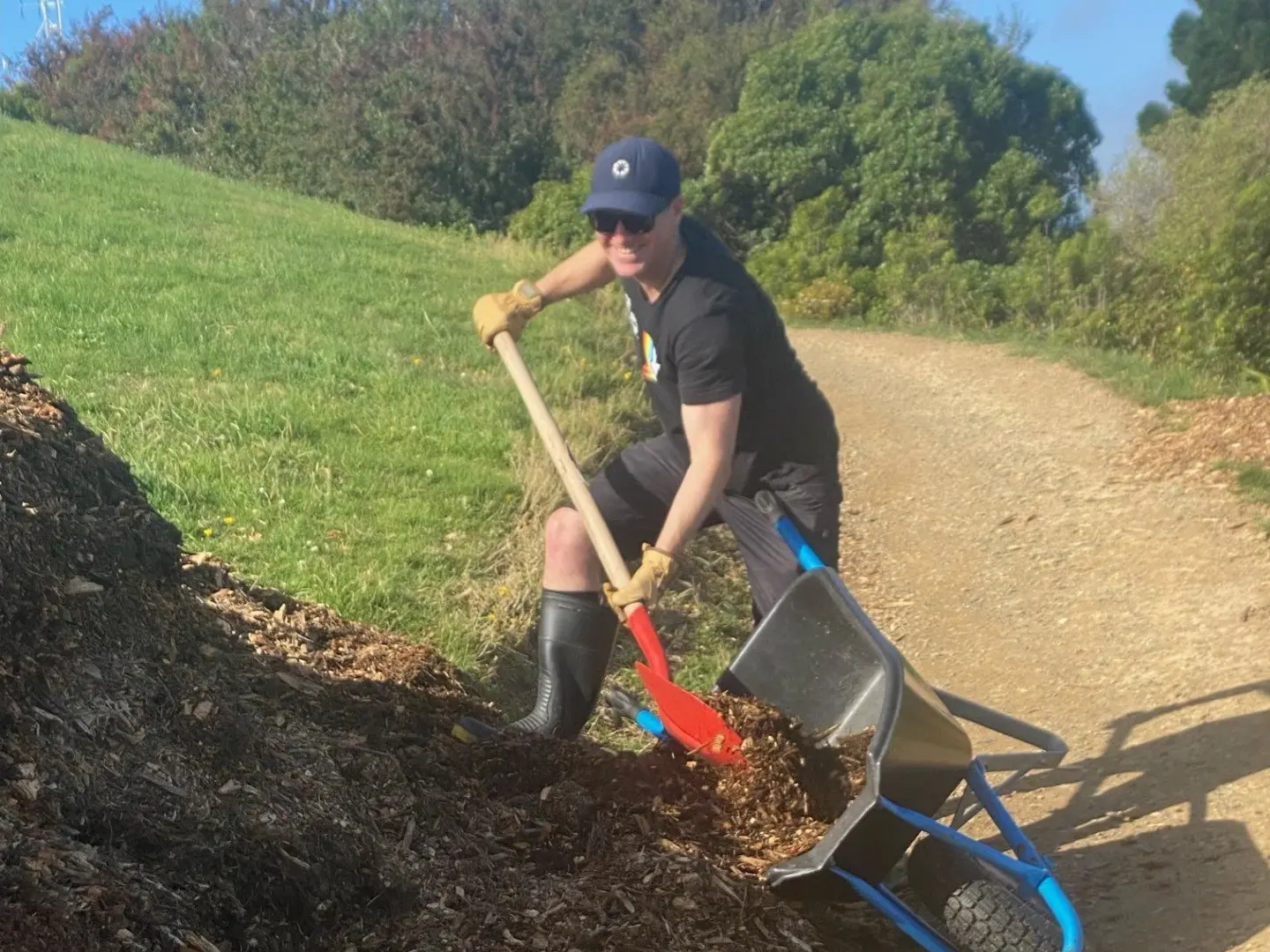
Five years into a long-term Rotary project to upgrade tracks and amenities at Rotary Park, progress is steady and a new phase is about to begin.
Instigated by Rotary Dunedin in 2021 and including members from all nine Dunedin clubs, along with community volunteers and track building specialist Hamish Seaton, the project has involved thousands of hours of work.
The project’s goals include building tracks, planting native trees and shrubs and installing shelters and equipment to make the park, above Waverley, a great place to visit for locals and tourists alike.
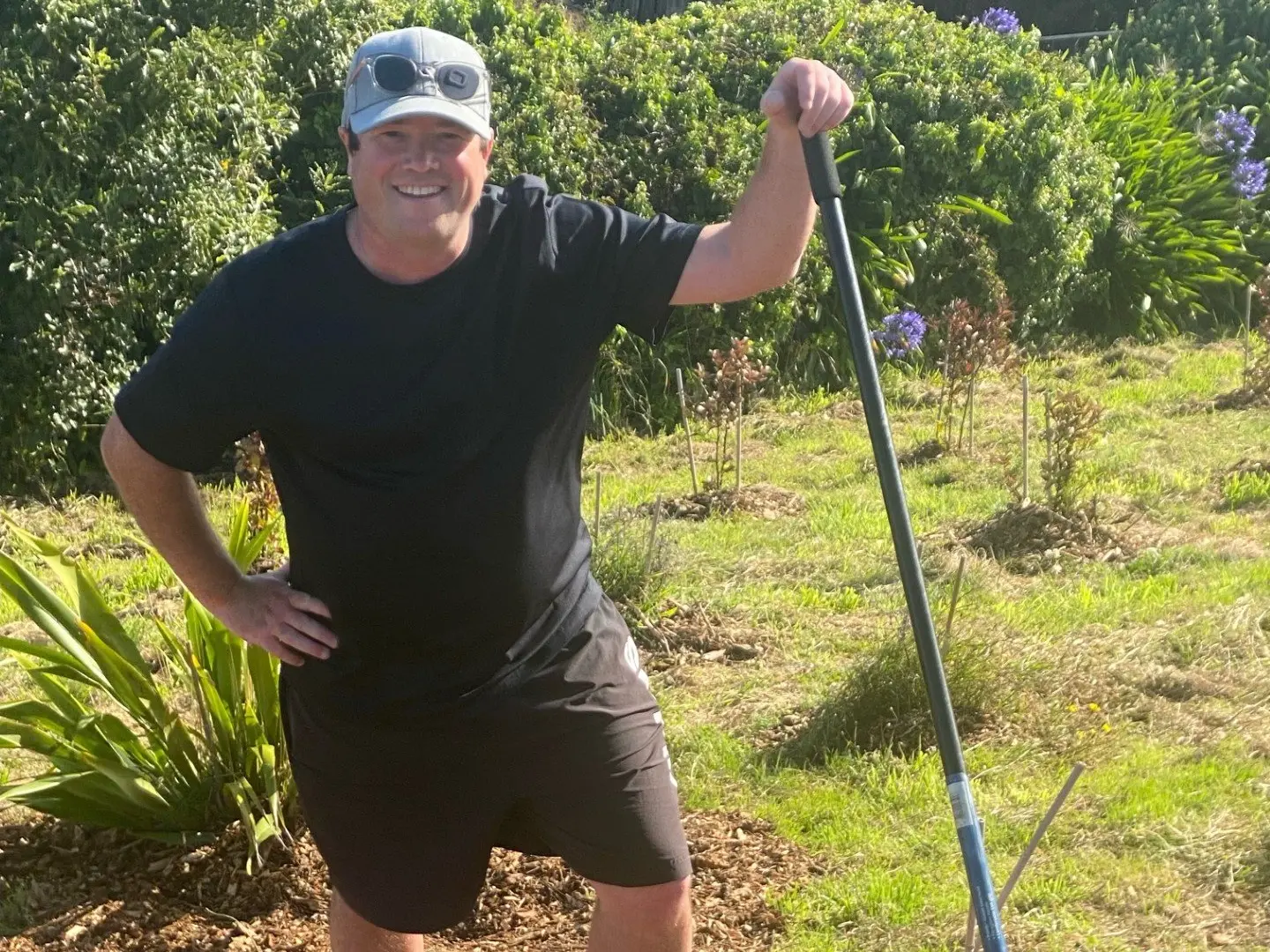
Leading the project are Rotary Dunedin members Gordon Tucker and Peter Jackson, working alongside Mr Seaton and supportive Dunedin City Council parks and recreation staff, who are pleased with progress so far.
Mr Tucker said Mr Seaton and a large team of volunteers had completed the 900m top track, which had been smoothed out and gravelled to make it easy to walk on and accessible for prams and wheelchairs.
The gravel has been donated to the project by Palmer’s Quarry and transported at a heavily discounted rate by Fulton Hogan.
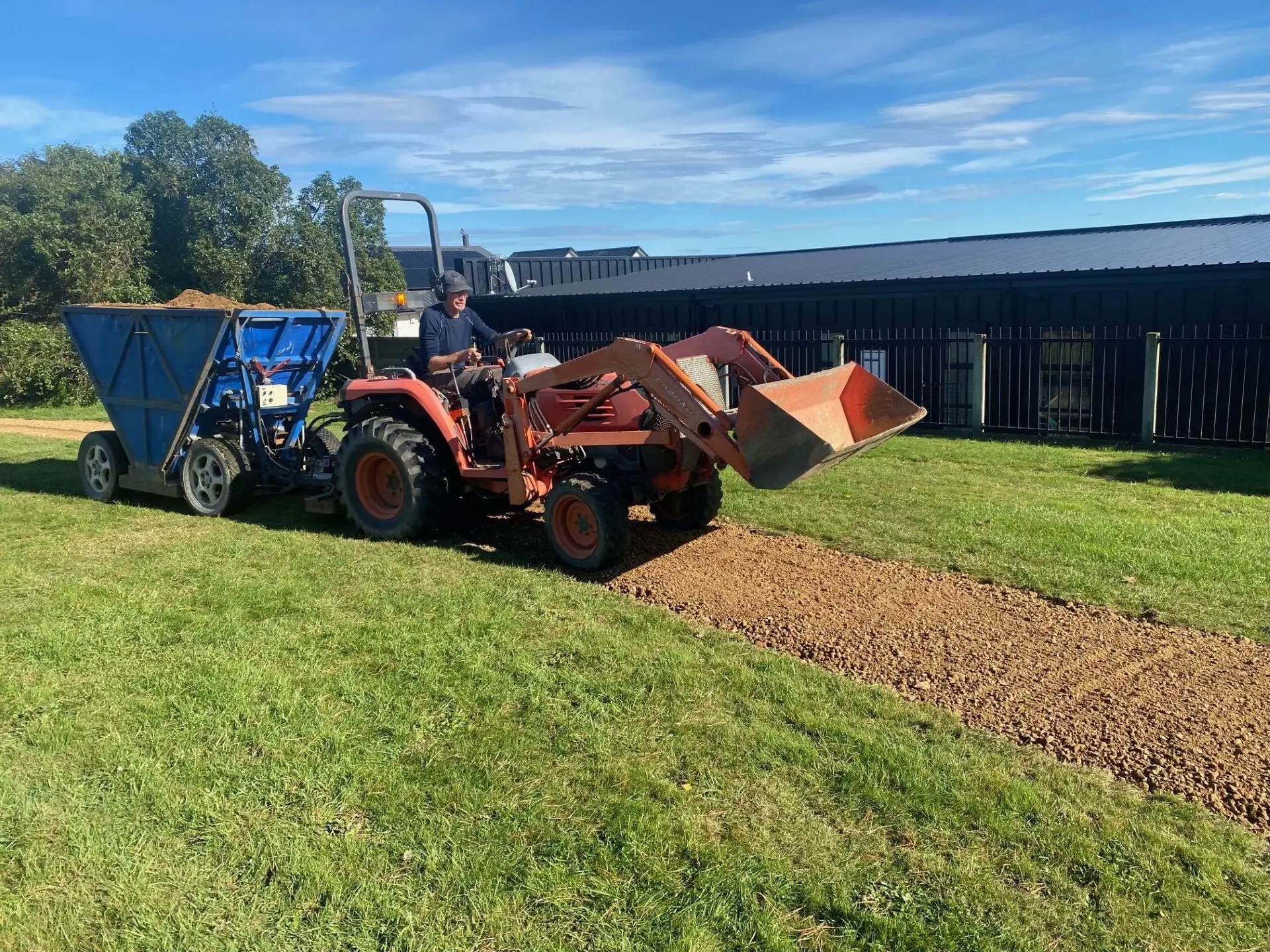
Mr Seaton is volunteering his time and using equipment provided by Mountain Biking Otago to build the track.
"The loop track now has a maximum gradient of 3°, which makes it accessible for virtually everyone," Mr Tucker said.
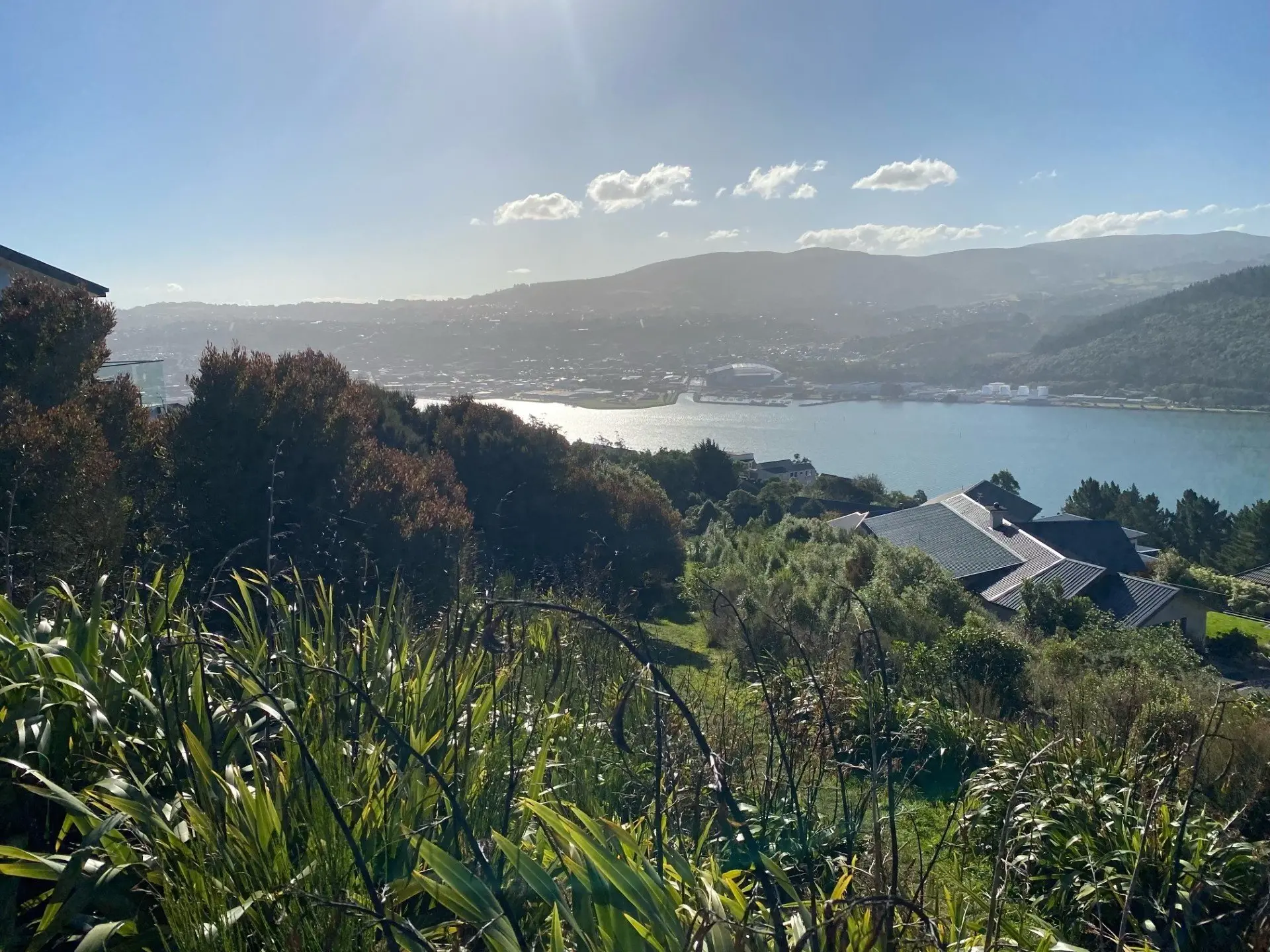
"And while people are out there exercising, they can enjoy the spectacular 360° views over the harbour and the city."
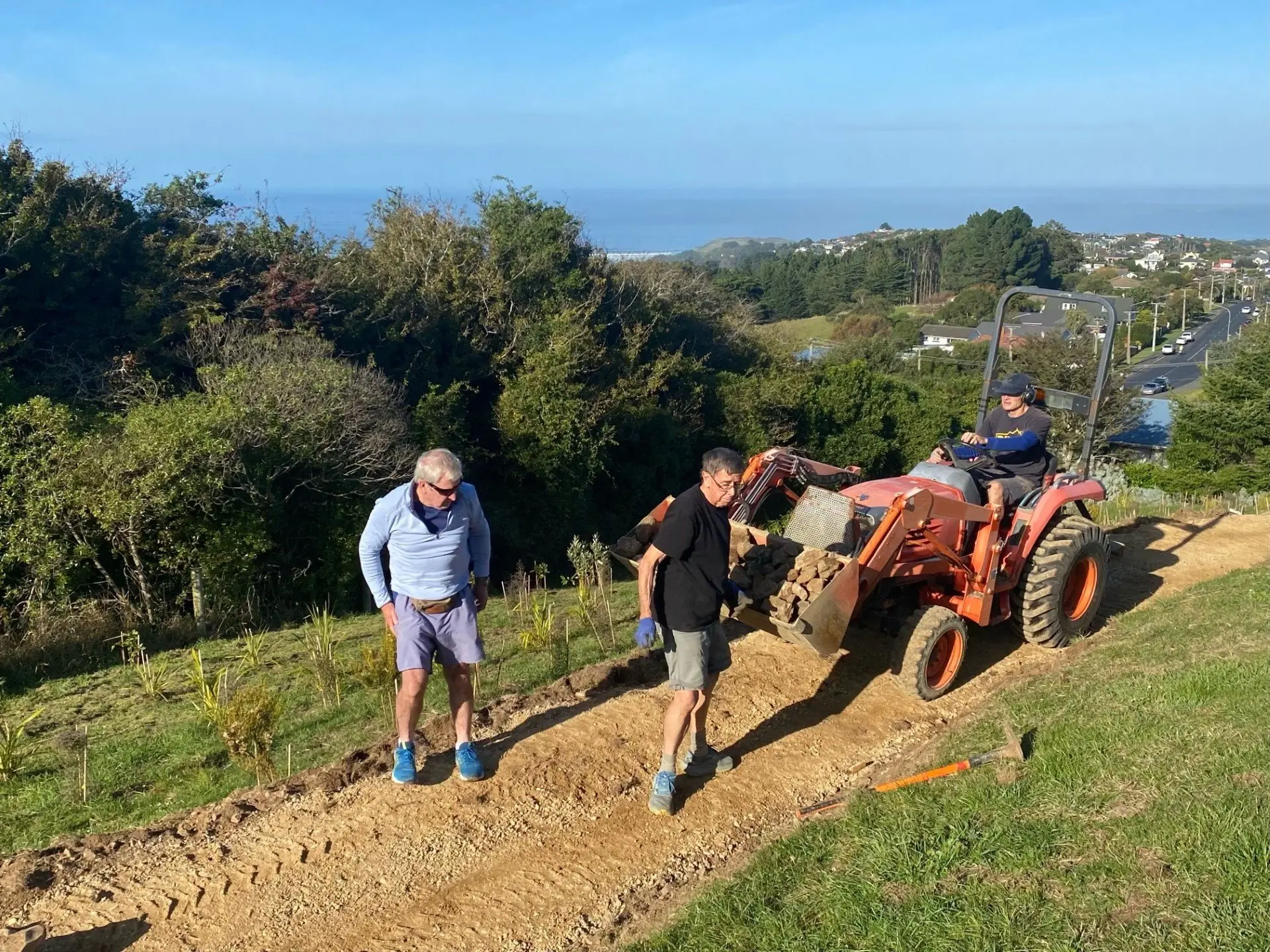
The public response had been positive, with anecdotal reports of increased usage by recreational walkers and families.
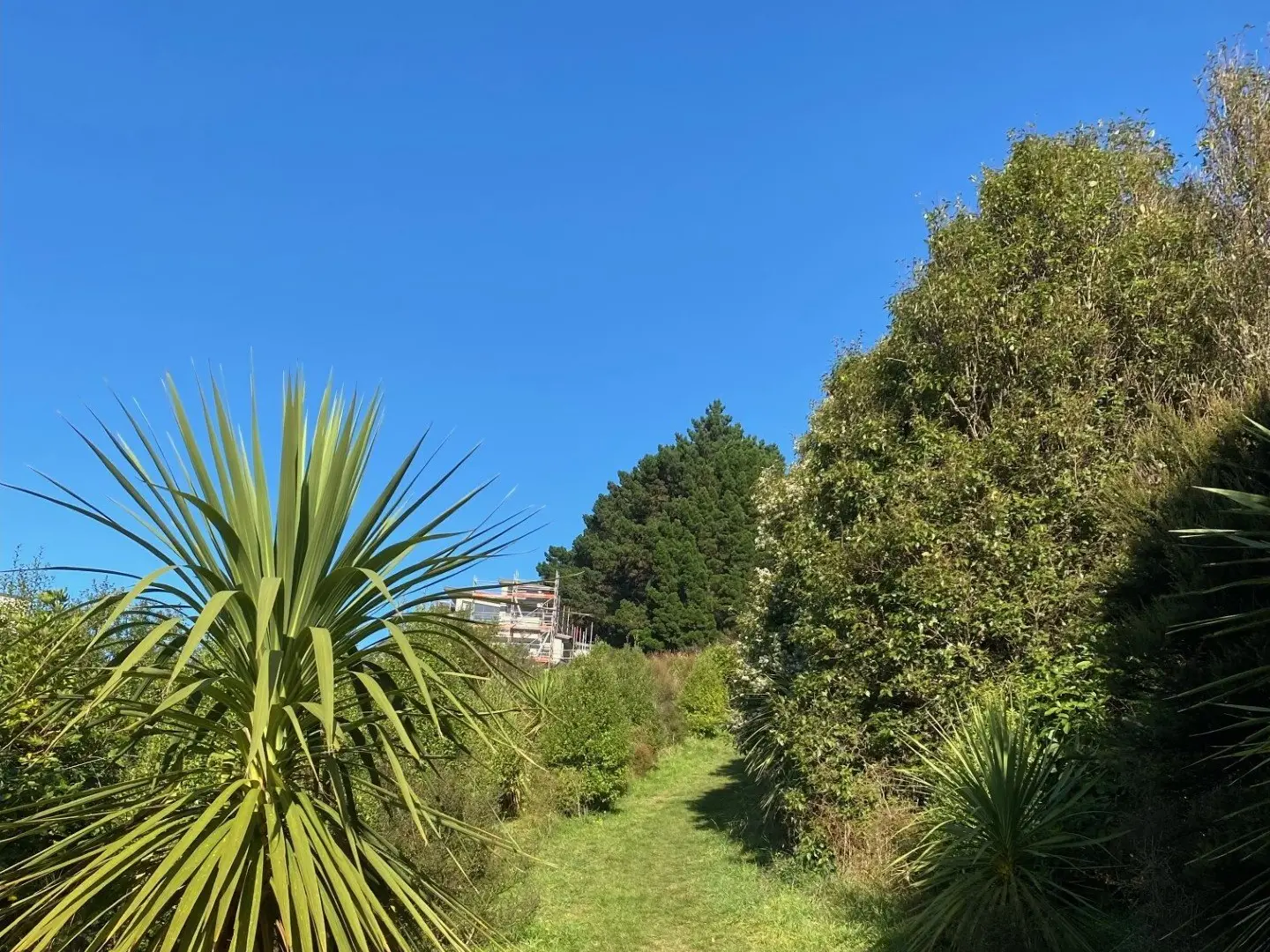
Mr Tucker said, now the loop track was finished, work was about to start on a steep section — at present grassed and slippery when wet — which connected the park’s top level with its lower level, Harbour Heights and Connell St.
"A lot of people don’t realise that Rotary Park is actually in two sections, connected by this steep path and the bottom level is where we are currently doing our Trees for Families plantings.
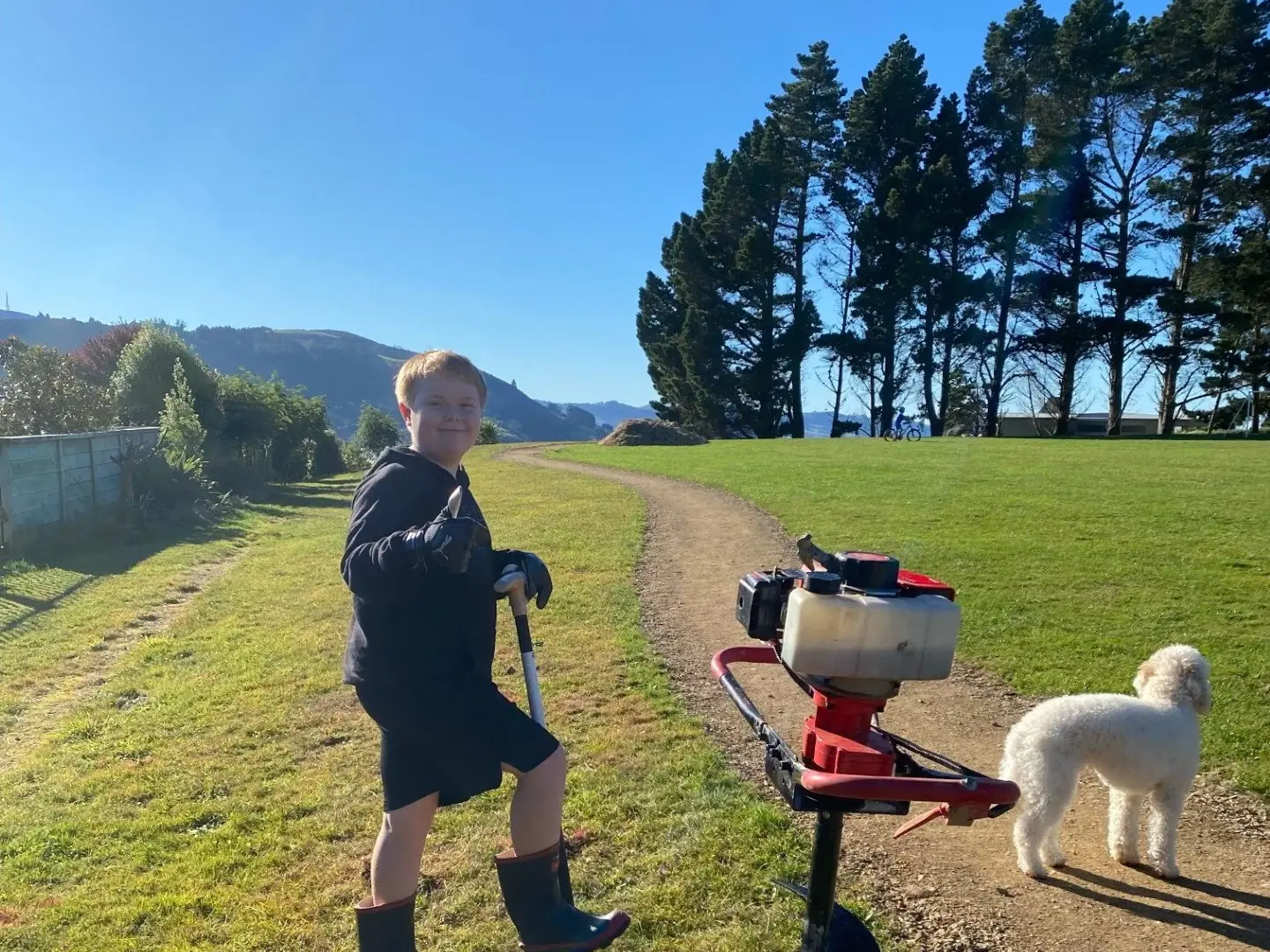
"So, we want to make it easier for people to access it."
Alongside the track building efforts, work continues on mulching, weeding and planting native trees and shrubs, with winter being the best time for planting.
Mr Tucker said a further 300-400 trees and shrubs would be planted at this coming winter, joining the 1560 natives already put in over the past few years.
Mr Tucker paid tribute to the "incredible efforts" of the many volunteers, Rotarians and others, who had put in more than 1400 hours of work since the Rotary Park project began.
Mr Seaton had himself provided 250 hours of voluntary work.
"We are so grateful to him and everyone else who has worked on this major project to upgrade Rotary Park," Mr Tucker said.
Rotarians had raised $39,166 for the project and had paid costs of $24,655 so far, including track materials, plants and more.
Mr Tucker said future plans for the 10-year project would include possibly installing an upgraded bike skills/pump track for young developing riders, creating nature play spaces, and a viewing platform near the carpark.
Toilets, barbecues and art installations were also possibilities.
"We would like to get feedback from the public on what amenities they would really like to see at Rotary Park, and we will be working on ways to do that," Mr Tucker said.