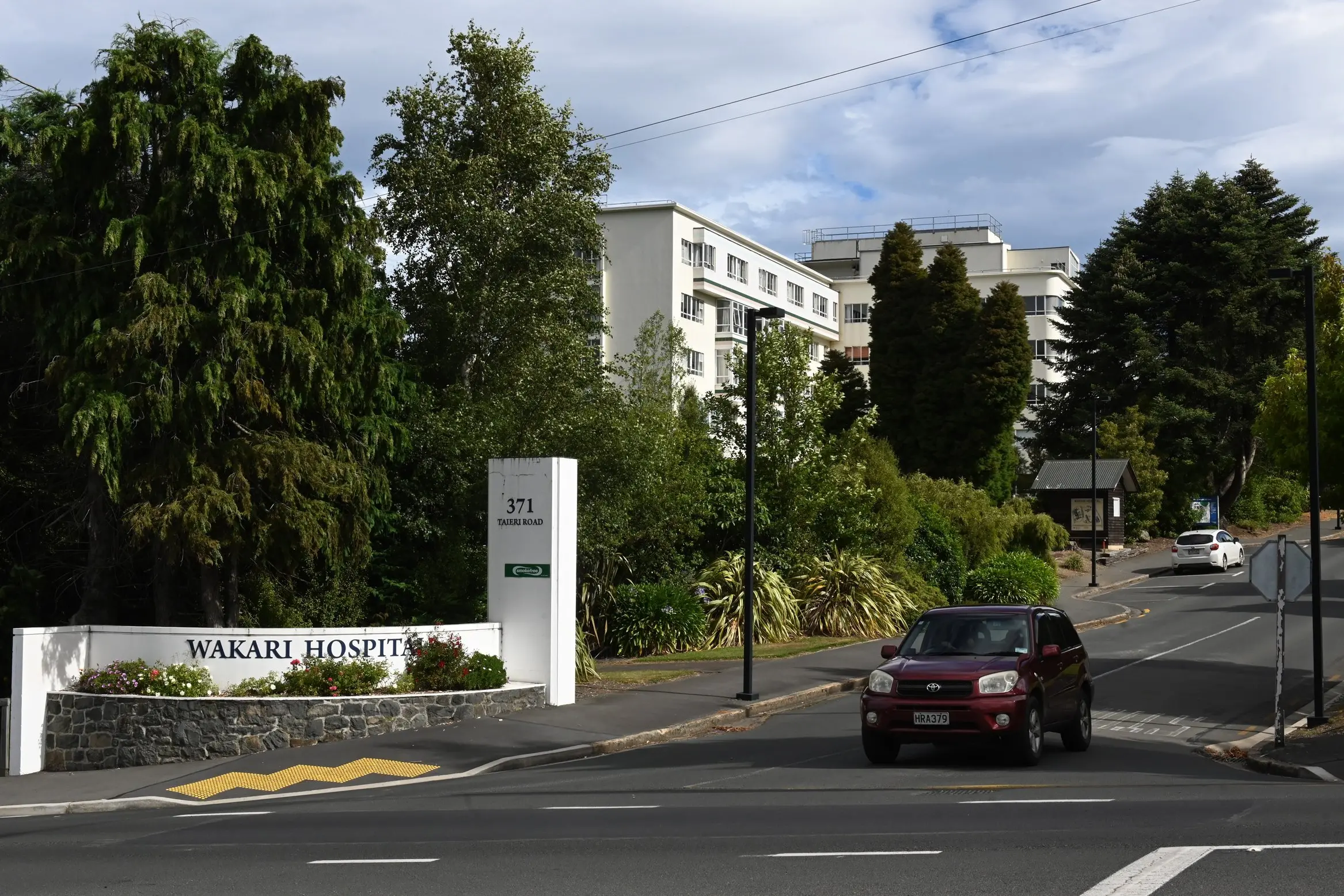
An investigation into a troubled ward at Wakari Hospital risks becoming a “cover-up”, a journalist and mental health advocate says. Aaron Smale’s comments come after the Ministry of Health confirmed they were investigating Wakari Hospital’s Ward 10a, after a visit by an ombudsman found practices that directly contravened the Crimes of Torture Act and Article 7 of the United Nations Convention Against Torture. “It says in Article 7 that if there are reasonable grounds to believe torture has occurred, the state should submit the case to its competent authority for the purpose of prosecution,” Mr Smale said. “There’s only one authority that can do the prosecution, and that is the cops. And the fact that it’s been tossed back to the Ministry of Health just doesn’t line up with the legal requirements.” Mr Smale has spent several years researching and writing about the abuses at Lake Alice. The Abuse in Care Royal Commission of Inquiry found that many of the 362 children who went through the Lake Alice Unit between 1972 and 1978 did not have any form of mental illness yet were subjected to unmodified electroconvulsive therapy (ECT) or paraldehyde injections. Mr Smale said while the situation in Wakari was different in many ways, he warned of similar cover-ups. “At Lake Alice, they kept tossing it back to their internal inquiries that went nowhere [until the Royal Commission]. “To park Wakari with the Ministry of Health is absolutely sloppy; it’s like they’ve learnt nothing.” Mr Smale said the main point is that the ombudsman had said what the office saw amounted to torture. “That should be triggering a police investigation, not an internal inquiry.” Mr Smale also wondered whether some cabinet ministers were being “kept in the dark” by officials. “There’s a risk here, that by just throwing it back to the ministry, that they’re going to hide evidence.” He also said by focusing on Ward 10a, which is in the process of being closed by Health New Zealand (HNZ), the inquiry was omitting key information and personnel. Taieri MP Ingrid Leary agreed the inquiry needed to be broader and more independent. “Having spoken to numerous people involved, I have been told that other staff and patients have suffered injuries, and that recently at least one patient who should have been kept safely in Ward 10A had instead been inappropriately placed in other wards, where they were seriously injured. “These are very serious systemic safety concerns affecting both patients and staff. “We need an inquiry that is genuinely independent, has a wide enough scope to establish what has been happening across Wakari, and gives staff, patients, their families and the southern community confidence that the full picture will come to light so that these terrible experiences are never repeated there.” The Ministry of Health commissioned an independent inquiry into the care and rehabilitation of care recipients at Ward 10a, Wakari Hospital, in July. A ministry spokesperson said the inquiry was being conducted under section 101 of the Intellectual Disability (Compulsory Care and Rehabilitation) Act 2003 and was examining care provided between June 2024 and June 2026. “The inquiry is being undertaken by a district inspector. District inspectors are statutory officers who are required to act independently. “They are not employed by the Ministry of Health. Their role is to safeguard the legal and human rights of people receiving compulsory mental health treatment or care and to monitor compliance with relevant legislation.” The spokesperson said the district inspector had the same powers and authority to summon witnesses and receive evidence as a commission of inquiry. “It is also important to note that the terms of reference extend beyond the circumstances of Ward 10a. “They include consideration of whether there are systemic issues that may be or are impacting on other current or future care recipients.” The district inspector was able to consider any evidence they consider relevant to the inquiry, including information from staff, families and other organisations, the spokesperson said. The terms of reference of the investigation directed the district inspector to consider referring to the police if criminal conduct is suspected.. The inquiry is expected to report its finding within six months of its start date.