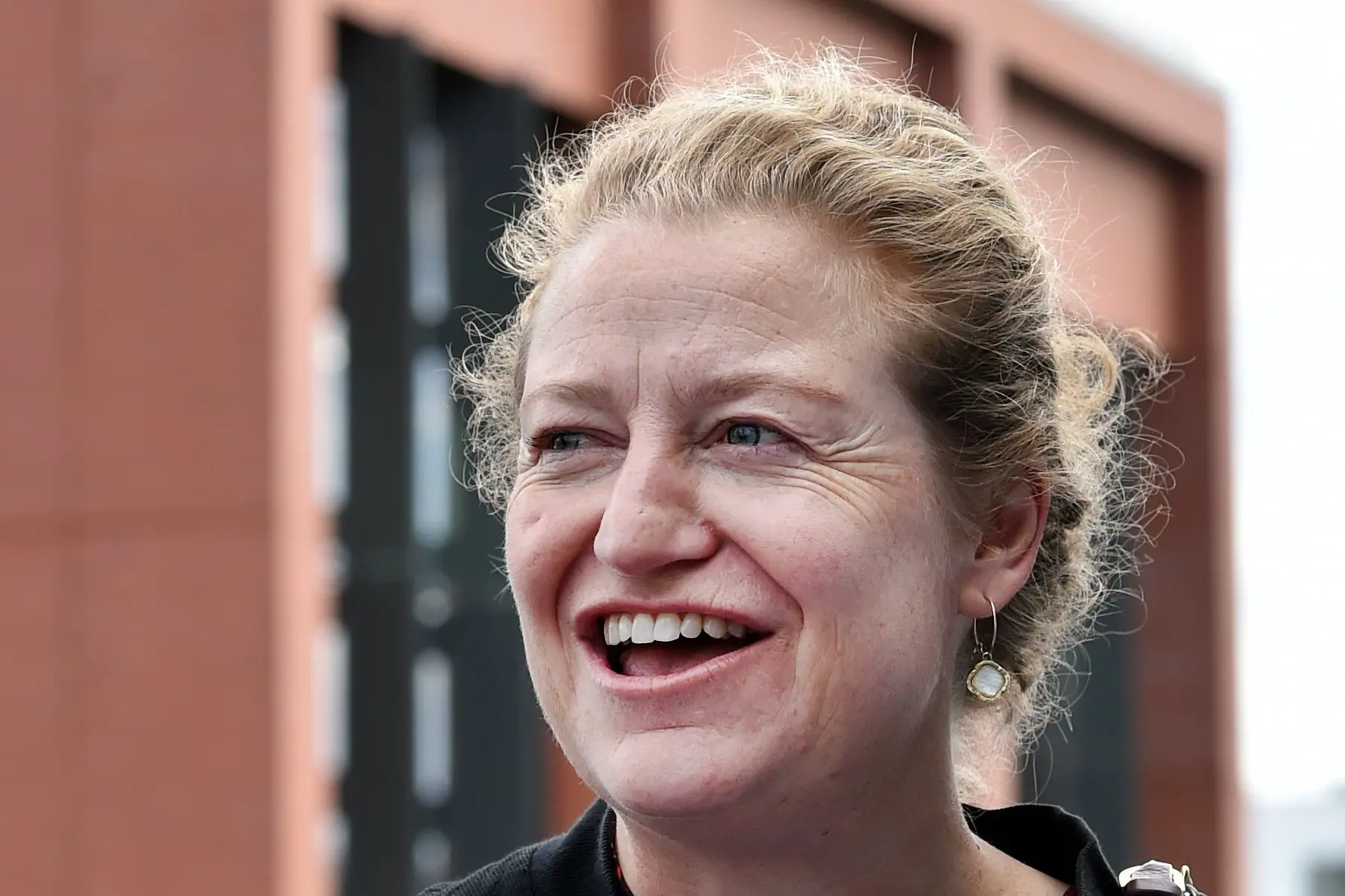
A Dunedin MP has warned against “exceptionally messy” water catchment carve-ups amid significant local government reform. With Sunday’s deadline, Otago’s councils are poised to pitch the government three different merger proposals for new unitary authorities to take up regional council functions. Rachel Brooking, also Labour’s Resource Management Act reform spokeswoman, said managing water was a crucial role of regional councils and largely catchment-based, “which makes a lot of sense”. “Dividing up catchments that match regional council boundaries based on district council boundaries [instead] could lead to an exceptionally messy approach to water management, great inefficiency, and negative consequences for our precious waterways.” In May, the government gave councils three months to develop ‘‘Head Start’’ plans for new unitary authorities, made up of at least two councils, to take up regional council functions. Dunedin City and Queenstown Lakes District councils this week voted to back proposed “twin” coastal and inland unitary authorities — one comprised of Queenstown Lakes and Central Otago districts and another of Dunedin, Clutha and possibly Waitaki. The decision was at odds with the direction of the Clutha and Central Otago district councils, which last week backed plans to merge with Queenstown Lakes and an option to include parts of southern Waitaki and rural Dunedin. Waitaki District Council are expected to formally approve a decision on Friday, having indicated a preference for joining a proposed South Canterbury unitary authority two months ago. Councils with an unsuccessful proposal, or no proposal at all, would have structures imposed on them, through the “backstop” process. The government is expected to decide in September which proposals to progress to the detailed design phase, with a view to agreeing final proposals in May. Labour’s local government spokesman Tangi Utikere said the party supported simplifying local government, but not at the cost of losing community voice. “This is a messy, watered-down plan from National,” he said. Though it was positive councils were consulted on their own reform, Mr Utikere expected more government manoeuvring “to blame missteps on councils and further excuses for overreach”. Asked how Labour would approach the issue if it formed a government following October’s election, Mr Utikere said it would assess how far along reforms were and work with councils to “ensure the smoothest path possible”. ruby.shaw@odt.co.nz