
PHOTO
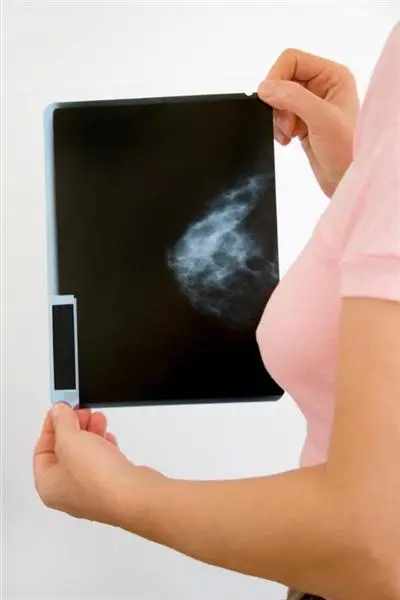
The government says artificial intelligence will be used as a second set of eyes reading breast cancer scans from early next year.
RNZ reported earlier this year the government put out a request for information on the topic, assessing the market. The tender closed on 4 March.
International studies have found higher rates of earlier detection using AI, and experts say it could make better use of our radiologists - as long as it's trained on the right data.
Typically, the tool works by assessing a mammogram for tumours, using past examples of positive and negative scans to tell whether a tumour is present, not present, or unclear, meaning the patient should get a second scan.
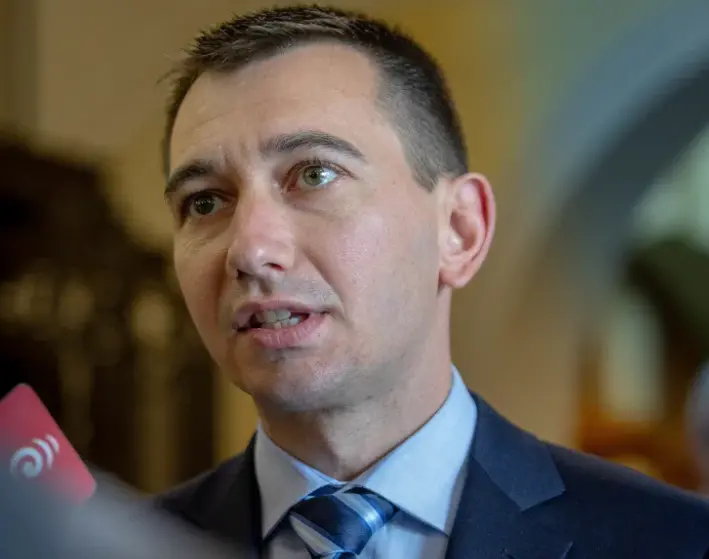
Health Minister Simeon Brown says procurement is now under way to select the preferred tool for testing and validation, ahead of a planned rollout from early 2027.
About 3400 people are diagnosed with breast cancer each year. About 270,000, aged 45 to 69, are screened annually through BreastScreen Aotearoa, the national breast screening programme, with a phased age extension to age 74 now under way.
"Breast cancer is the most commonly diagnosed cancer among women in New Zealand, but we know that early detection significantly improves survival rates and treatment outcomes," Brown said.
"Importantly, AI will support, not replace, our skilled clinicians. Every diagnosis and follow-up decision will continue to include qualified health professionals."
The tool would take on the role of one of the two independent reads currently required in the mammogram assessment process.
Health New Zealand would be working closely with clinicians, radiologists, and screening providers as the programme moved through testing and validation.
Brown said: "This is about building the future of breast screening in New Zealand, ensuring more cancers are found earlier, when they are most treatable, and giving more women the best possible chance of a positive outcome."
The minster told Midday Report patient data privacy was "critically important" as Health NZ worked through the procurement process.
He said HNZ had already been through a process to figure out what technology was available, and it was now working on selecting its preferred tool.
He said patient advocates and the Breast Cancer Foundation had been involved in discussions about privacy and access.
Details of costs would come after the procurement process, he said.
"In an ideal world, we would see AI play a role in every single mammogram, in terms of supporting radiologists to speed up access to those diagnoses."
