

PHOTO
Specialists who diagnose cancers are warning that backlogs are resulting in an unacceptable five week delay.
The recommended time for an urgent sample diagnosis is 48 hours and non-urgent is five days.
The Royal College of Pathologists of Australasia supports the government's increase in screening initiatives, but said more specialists are needed to work through the increased samples.
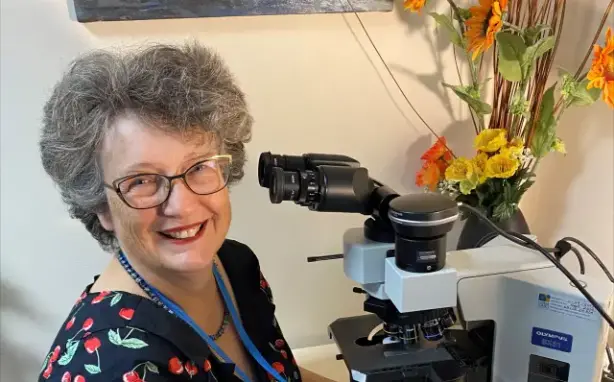
Its vice-president for New Zealand Associate Professor Diane Kenwright told Checkpoint there is a five week wait for cases to be diagnosed.
"It means that patients have to wait to know whether they've got cancer or not for five weeks. It breaks my heart actually knowing that I can't give the best service to patients."
Kenwright said such delays could result in adverse outcomes for patients.
"My fear is that a cancer will be in the routine pile rather than the urgent pile," she said.
"In the routine pile, it will wait up for five weeks to be diagnosed and that's five weeks before surgery and five weeks before chemotherapy can begin."
The government has expanded screening for some cancers including bowel cancer, resulting in more samples.
Kenwright said the Royal College of Pathologists of Australasia wrote to the health minister before this year's Budget, asking for $3.7 million to train 23 pathologists and close the staffing gap.
"It's a bit like a traffic jam. We need more pathologists in order to be able to cope with more samples and we need to be able to train more pathologists so we can do it in the future too," she said.
But she said there was no funding given towards that goal in the Budget.
"Pathology services are right on the knife edge. We are working so hard every day, but still can't get through the work that's sent to us," Kenwright said.
"We really support the government's screening initiatives, but they forgot one thing, and that's the people who make the actual diagnosis and read the biopsy."
Health Minister Simeon Brown said he recognised changes to screening programmes will create more demand, and Health New Zealand was working to understand that, and confirm funding.
A plan for how pathology services are resourced was being developed, he says, and the College of Pathologists will be invited to contribute.
He expected Health New Zealand to keep working closely with the sector so patients received their results as quickly as possible.
The minister said Health NZ was in discussions with the college about training and funding needs.
