
PHOTO
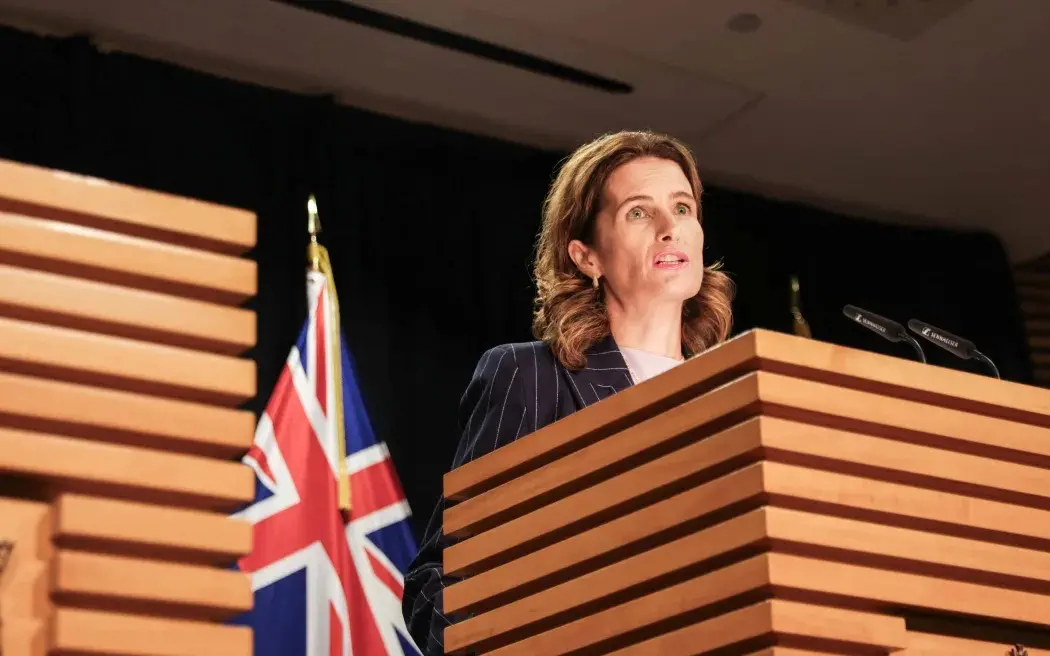
The government says it is shifting oversight of infrastructure projects from Treasury to the independent Infrastructure Commission.
It's part of several changes to the investment management system, which informs how the government selects infrastructure projects.
Finance Minister Nicola Willis said they were making the move to ensure proper scrutiny of major projects to help ministers make good investments.
"Since coming into government, the Minister for Infrastructure and I have been concerned by the quality of information provided on infrastructure, including what we own and its condition, the forward investment pipeline, assurance on projects, and agency performance," she said.
Willis said that as it stood, there were multiple project review tools in use, "but none of them do what is needed".
"None of these tools provide ministers with unapologetically strong, clear, and actionable assurance that is focused on substance as opposed to bureaucracy, so that we can make well-informed investment decisions.

"What ministers need is clear, frankly expressed 'go/no go' expert advice on each project."
Willis said bad projects gained momentum until it was too late, wasting tens or hundreds of millions of taxpayer dollars.
The changes would ensure the better use of the Infrastructure Commission's expertise in determining whether investments meet a need, represent value for money, and are deliverable, according to a statement from Willis and Infrastructure Minister Chris Bishop.
There would also be greater ministerial oversight of major projects, with the Infrastructure and Investment Ministers' Group reviewing high-profile, high-risk investments before they go to Cabinet.
Bishop said the changes were direct acceptances of some of the National Infrastructure Plan's recommendations.
He said they would benefit both ministers and taxpayers with "roads that last, schools and hospitals that meet needs, and projects that are delivered on time and on budget".
Last month, the Commission laid out its "affordable" plan to tackle the country's infrastructure woes.
