

PHOTO
Warning: This story contains details that may be disturbing to some people.
Around midnight, a young woman drove a 34-week pregnant teen, who was like a sister to her, to a scenic location where they filled balloons with nitrous oxide and huffed them.
Then, Vavatau Bing drove the 19-year-old to a McDonald’s carpark where they again inhaled the “nangs”, bought food, and began driving to her mother’s house.
On the way, they huffed more gas.
Because she was pregnant, Kydejah Kisiona had her seatbelt buckled behind her in the front seat.
The 23-year-old Bing dozed off at the wheel and, at 60km/h, drove on to the kerb and crashed into a tree in Totara Heights, South Auckland. The car flipped onto its side.
Kisiona lost her unborn baby as a result of the crash. Then her condition deteriorated a couple of days later, and she also died.
But despite the loss, a representative of Kisiona’s family said this week that they forgave Vavatau He Kakala Elizabeth Nau Bing, before she was sentenced in the Manukau District Court.
He said they held their “wild child” daughter accountable for the part she played in the tragedy and forgave Bing in order to heal.
“Me and my family do not want to live the rest of our lives consumed by anger [and] hate.”
According to the summary of facts, nitrous oxide is a gas commonly used in medical environments and as an additive to whipped cream.
It is also used recreationally to get high, causing users to feel detached from their body for 10-45 seconds and, in some cases, can affect consciousness or cause hallucinations.
On New Year’s Day, Bing was convicted of drink-driving and disqualified for six months.
A month and a half later, she drove with Kisiona in South Auckland and did “nangs”.
She later told police she hadn’t slept well in the previous few days. Her drowsiness was made worse by the gas.
After she crashed, she regained consciousness and looked back to see Kisiona in the back seat.
She lifted the 19-year-old and pushed her out the back of the car, where a member of the public pulled her out through the boot.
Kisiona had a 10 cm-long cut to the top of her scalp and, because of the crash, her baby died in utero and was delivered by emergency C-section.
Two days later, the teenager died.
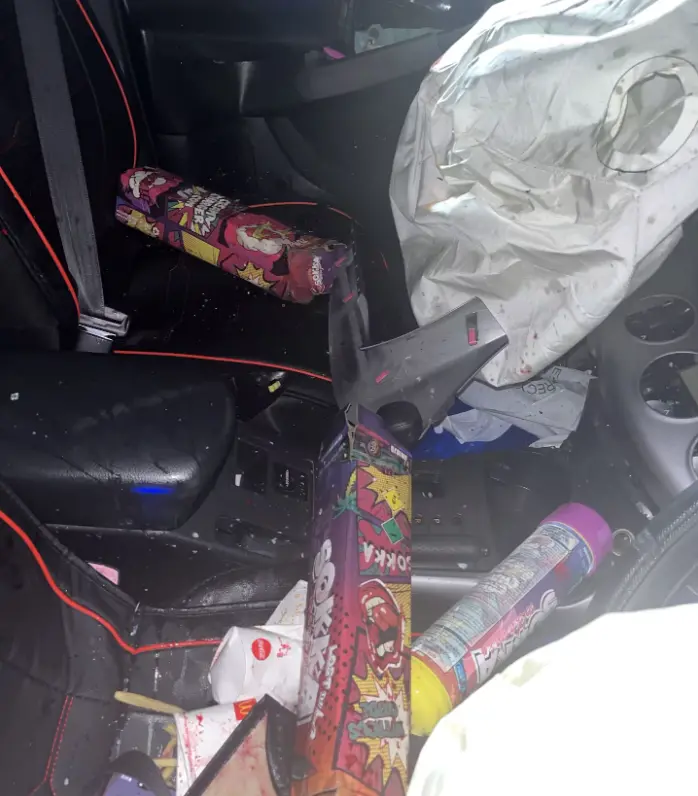
Bing admitted to police taking the psychoactive substance right before the crash, but only a small one.
‘Perfectly imperfect child’
In court, the family representative began his victim impact statement with a prayer.
He said they were not there for sympathy or revenge, but to lead with peace and love.
He said the girls, meaning Kydejah Kisiona and her unborn daughter, were taken from them, but they couldn’t blame anyone, hoping instead to learn from the tragedy.
Life looks different when you lose your children, he said, which made them “somewhere between numb and falling apart”.
Their grief, he said, was the heaviest weight, but it pushed them to love each other harder.
He called Kydejah their “perfectly imperfect child” whose voice, smile, quirkiness and high-pitched hyena laugh they would miss.
She was loving, caring, forgiving and selfless, to her whānau and especially her children.
“We didn’t get a chance to meet our sleeping baby.”
He said their decision to forgive Bing might be difficult to understand, but Kisiona would have forgiven her, and they wanted Bing to grow, prosper, and be with her own children.
Bing was already carrying a life sentence of the memory of what happened, and they could not overlook the harm that had been caused to everyone involved, he said.
Judge Soana Moala had tears rolling down her face after listening to the man’s words.
In all her years as a judge, she said, she had never heard a letter with so much love and forgiveness.
Normally, she said, victims’ families looked to her to hand down a sentence to “fix things”, but she understood Kisiona’s family wanted Bing’s charges dropped.
Unfortunately, that wasn’t the way the law worked, she said, but she understood why they wanted the charges dropped, because there had already been so much “pain and suffering”.
“Our law, it applies to everybody, even to those who are forgiven.”
It was not easy, because the law and her values didn’t always match, the judge said.
Like a sister
Bing’s lawyer, Alex Cranstoun, said this was not a case where her client sought to minimise her conduct but one where a 23-year-old caused the death of someone she loved.
Bing had lost a “sister-like” relative and an unborn niece, Cranstoun said.
She had also engaged in counselling, a restorative justice meeting with Bing’s family and a driving under the influence programme since the tragedy, Cranstoun added.
Home detention would be the least restrictive outcome for her client, the lawyer said.
Judge Moala reduced Bing’s sentence for her guilty plea, rehabilitation, remorse, youth and the effect imprisonment would have on her child.
“Going to prison and leaving your child causes so much harm.
“We know that from our experience in the court and the research.”
She said she was “swayed” by Kisiona’s family, and their forgiveness and support “ticked” the judge over to a sentence of home detention.
“That’s the only reason you are not going to prison today.”
Bing was a young woman and mother who had made a mistake and was already paying for it, the judge said.
For charges of dangerous driving causing death, disqualified driving and possessing a psychoactive substance, Bing was sentenced to 12 months home detention and disqualified from driving for three years.
“I’m hoping that I don’t ever see you [again] and I don’t think I will,” the judge said.
Kisiona’s Kydejah’s family could be seen hugging Bing when court ended.
‘Clear and grave’ risk, police say
Acting Detective Senior Sergeant Wayne Gear, of the Serious Crash Investigation unit in Auckland, said the risks of nitrous oxide were “clear and grave”.
“Any substance that affects judgment,, co-ordination, or consciousness can have deadly consequences when someone is behind the wheel.”
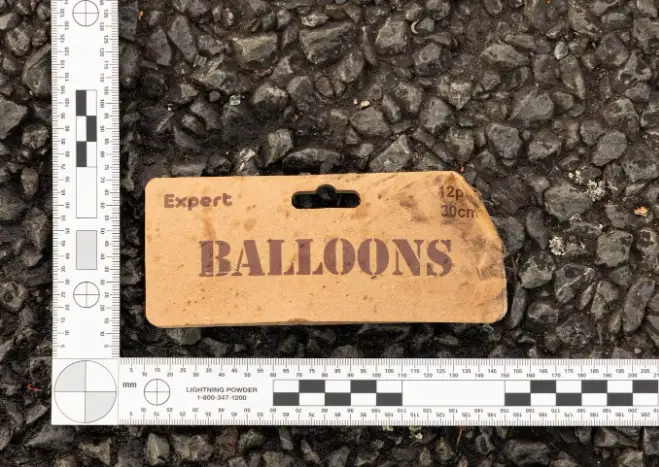
He said the police appreciated when members of the public reported others using the substance in cars.
“They have helped prevent harm and likely saved lives.”
Police had engaged with retailers to remind them that selling the “laughing gas” for recreational use is illegal, he said.
And, he said, shops that have done so have been prosecuted in other parts of the country.
Laws have also been tightened, in co-operation with NZ Customs and the Ministry of Health, to restrict and better control the importation of canisters, he said.
He asked anyone aware of the illegal sale of nitrous oxide to contact police, and to contact their local council if discarded canisters are found, because they can explode if not emptied or disposed of properly, he warned.
