
PHOTO
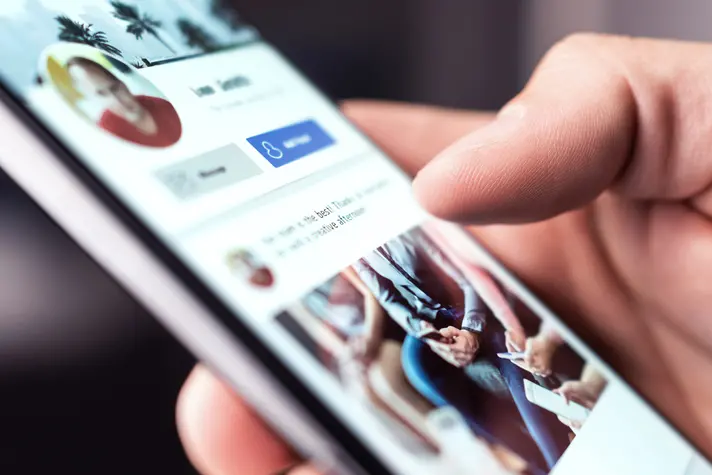
Explainer - Are you running a small business off Facebook and Instagram? It may soon cost you a lot more.
A small business page will now have to pay Meta nearly $900 a month to post unlimited links from their pages.
Meta, the social media giant that owns Facebook, WhatsApp, Instagram and more, has begun offering subscription fees for businesses, cutting back their ability to offer free links to potential customers.
One Canterbury small business owner has said the new restrictions "honestly left me speechless".
What is Facebook going to start charging for?
Meta, Facebook's owner, has begun rolling out what they call "Meta One," a subscription service for business pages which Meta says "brings together more AI, advanced business tools, and content and audience insights designed to help grow your business."
However, it also means that some things Facebook business page operators could previously do for free will now cost them.
Meta began introducing the plan globally on 15 September, but it's a gradual rollout so hasn't affected all business pages yet.
"If you're seeing a limit on posts with links on your Page, here's how it works: you can include links in up to two organic posts or comments per month," the tech company says on its help pages.
Under the free plan or the bare-bones "Essential" MetaOne plan (US$14.99/NZ$26 per month) you can now only publish two links a month in "organic" (non-paid) posts or comments on your Facebook or Instagram page.
The broader Meta One monthly plans range in price from US$49.99 (NZ$88) to post eight links, US$149.99 (NZ$265) to post 20 links per month all the way up to US$499.99 (NZ$883) to be able to post unlimited links under the "Max" plan.
Dropping a link down into the comments to a post - a "hack" used by some to get around algorithmic suppression - won't avoid these new restrictions.
Technology correspondent Bill Bennett said that some small New Zealand companies may actually go out of business because of the charges.
"It's going to really hurt some of the small local companies that use Facebook (or other Meta products)," he said.
"It was, in effect, free, or close to free before. For many micro businesses that was the reason why they used it in the first place."
Bennett called the nearly $900 monthly charge for unlimited links "excessive."
"The same money could pay for a substantial leaflet drop for example. Even if you're not a web designer, you can get a professional web page package for a year's worth of $900 payments. If you can build your own it only costs a few hundred to host."
Why is this a big deal for small Kiwi businesses?
Ben Dobbs of Canterbury clothing store Blank Space said small businesses like his have been caught off guard, and has said he was "speechless" when he found out about the subscription plans.
"I didn't even know anything about it until I went to make a post one night," he told RNZ's The Panel, saying that he was presented with a pop-up that said if he wanted to put unlimited links on his page he would now be charged more than $850 a month.
"I was just like what is this, why have I not heard about this?"
The changes by Meta will hit some small New Zealand companies hard, Bennett said.
"Americans think a small business is less than 500 employees. For a company like that the cost is nothing.
"For a New Zealand hairdresser, food truck or coffee cart, it is going to seriously dig into an owner-operator's take-home pay."
Meta isn't charging all businesses to use Facebook, but the Meta One subscription plans could result in added costs depending on how a page is used.
If most of a business's posts are photos, videos and customer engagement, or they only post once or twice a month, then the free versions won't be terribly different. Links to other Meta platforms like Instagram or Threads also won't be constrained or count toward costs.
But if you use a lot of links to drive people to your external website and products, it's going to cost more.
Dobbs said he won't be putting direct links on social media posts from now on.
"Paying hundreds of dollars every month just to drop a link simply isn't a smart move for us right now," he wrote in a post on his business page.
Are there any alternatives to Meta's products for businesses?
Businesses should consider having their own website rather than just relying on Facebook if possible.
Mark Knoff-Thomas, CEO of Auckland's Newmarket Business Association, told The Panel that the new Facebook changes show it's important for businesses to try and keep control of their company as much as they can.
"I think as a business I think owning your assets, owning your own IP, owning your customer database and your email assets and controlling those yourself is probably the greatest thing you can do."
Knoff-Thomas said the tech companies will always be aggressive with their power.
"These big tech companies... they have a voracious appetite for charging fees. They do change the rules, regularly, they really, really do.
"At the end of the day Facebook is the landlord of this site of what they're doing, right, and they're just going to charge whatever they can get away with. ... that's the nature of the business model."
Bennett noted that Meta's sites initially began as free for most users.
"Facebook and Instagram were popular in the first place because they cost nothing or next to nothing. Also, you could push simple messages out between haircuts or flipping burgers.
"If a business has built a community around its Meta presence, it may have to bite the bullet and pay up. Many will not be able to or will face hardship as a result."
On his own Facebook page, Dobbs expressed concern about the impact on businesses like his.
"It feels like social media as a whole is changing for everyone, including my business and so many other small businesses out there who are having to adapt to these same crazy rules."
