
PHOTO
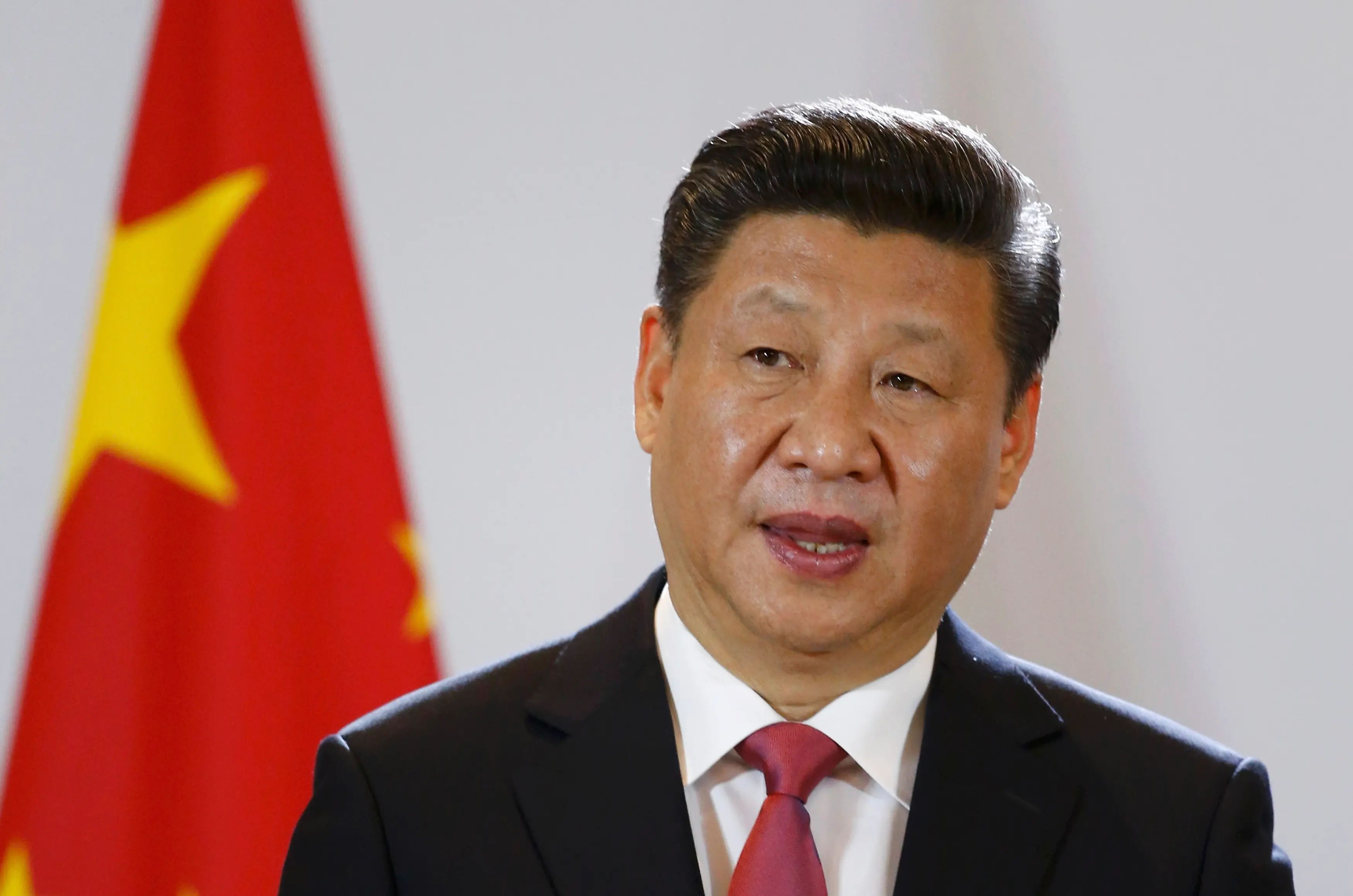
We lament China’s increasing bullying and belligerence. In the past few years, it has displayed an assertiveness that shows decreasing regard for the rights of others. In the process, China is destroying any reputation as a good and honourable world citizen. Might is right, so it seems, and China as a mighty power can trample.
We acknowledge China’s past; the way it was grossly humiliated by Western powers in the 19th and into the 20th century, the brutal and devastating invasion by Japan, the trauma of civil war and the disastrous Great Leap Forward and Cultural Revolution. It is no wonder China never ever wants to be beholden in any way. With its current strength and stature, it is understandable, too, that China is keen to flex its muscles.
But what about the supposed Chinese propensity to pursue the long game, to subtlety and craft and patience? What about positive persuasion and goodwill? What about the steady building of relationships? What about the influence of diplomacy and soft power?
This appears to have been sidelined under the dominance and assertiveness of brilliant President Xi Jinping. The nation and its apparatus, meanwhile, follows his lead as he pushes to create a grand personal legacy.
China has swatted aside the interests of Vietnam and the Philippines in the South China Sea, crushed dissent in Hong Kong even as that threatens to destroy Hong Kong’s future as a global business centre and asserted itself around the world.
China (or in effect proxies on its behalf) did not have to burgle the home and office of Christchurch academic Anne-Marie Brady and attempt to intimidate her. Official Chinese reactions to Hong Kong protests and counter-protests at Auckland University last year were disconcerting. And New Zealand has been subject in the past five years to various deniable but highly suspicious trade and other pressures.
China is New Zealand’s largest trading partner. China was crucial in cushioning the blow from the Global Financial Crisis and Chinese companies now play central roles in the dairy industry and elsewhere.
New Zealand, as should any nation, has admired China’s achievements.
Within 40 years of turmoil and mass starvation, it became one of the world’s two superpowers. Hundreds of millions of citizens left behind desperate poverty in a staggering economic and social transformation.
New Zealand also has special bonds with China and should be proud of the place of Rewi Alley, a hero in China’s intense and dire struggles through the middle decades of the last century.
But we learn, for example, in this newspaper’s World Focus section last week of the vast and subsided Chinese fishing fleets pillaging oceans around the world. It was also little surprise to learn this month of a Chinese company trawling the internet and collecting data on many New Zealand citizens and their families.
New Zealand, while part of the Five Eyes network, and traditionally tied to the United States and Australia, has endeavoured to maintain relative independence. It has tried to balance its commitments with a positive and helpful attitude to China.
So far, this country has managed to avoid the breakdown and tensions that are flaring between Australia and China. Nonetheless, the attitudes of New Zealanders towards China have deteriorated.
We fear New Zealand will be forced more and more to choose sides. For all its own patchy history, manifest faults and appalling present president, that would be the United States if New Zealand is pushed too far.
China, through diplomacy, through the likes of its Belt and Road initiative, through its central role in global trade, though culture and understanding, has the means to be a great, admired and respected world power. Sadly, under present trends and its present emperor, its place in the world appears to be based more and more on fear and bullying.