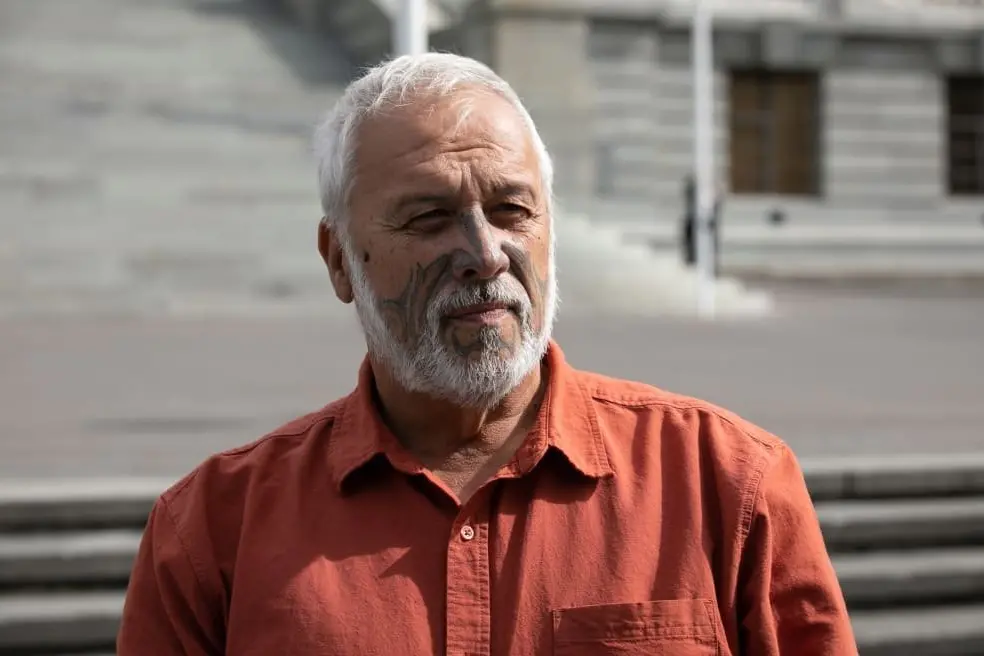
Johnny Blades / VNPIwi leader Mike Smith wants the group to either stop polluting, or start bringing emissions down quickly. Photo: Johnny Blades / VNP One of the critical cornerstones of democracy is the principle of comity; that the courts do not interfere with Parliament’s work, and vice versa. That principle has come under severe strain this week, with the passage by Parliament of the Climate Change Response (Tort Liability) Amendment Act, a piece of legislation which stops the work of the courts in its tracks. The catalyst for the Act was climate activist Mike Smith, who was taking a lawsuit against some of the country’s largest carbon polluters, including Fonterra, Z Energy, Genesis Energy, Dairy Holdings and NZ Steel, claiming that the corporations were causing a public nuisance and acting negligently. The High Court found those claims were not sustainable, but did suggest Mr Smith could possibly sue under tort law, if he could establish the firms in question had a duty of care to minimise or eliminate their polluting activities. Mr Smith attempted just that but the Court of Appeal ruled against him. In February 2024, the Supreme Court overturned both rulings from lower courts and ordered the case to be reheard in the High Court. Importantly, it did not decide in Mr Smith’s favour, rather than he was entitled to his day in court. Another cornerstone of democracy is that the bigger and richer cannot always, automatically, ride roughshod over everyone else. It takes some guts to punch upwards against influential people and prestigious companies, but it is possible. There is nothing – apart from that supply of money – to stop an everyday taxpayer nipping at the heels all the way to court of those in business who appear to be acting in their own best financial interests. Cases where a large opponent is taken to court play an essential role in maintaining honesty and integrity in our society where money might otherwise corrupt, and in ensuring things are done the right way, for the right reasons. The Act passed by the government this week cuts right across that right. Justice Minister Paul Goldsmith’s claim that it “has not altered the law” but only removes the “prospect of finding out what the common law might eventually say” is true so far as it goes, but it ignores that the principle of comity should have dictated that Parliament leave the courts alone to draw their own conclusions. It is entirely possible that the court would agree with the government’s view on this; the High Court and Court of Appeal had pretty much done that already. But stopping citizens from having their day in court comes with high issues in terms of public interest and fundamental rights extending beyond climate accountability and emissions. Labour justice spokeswoman Camilla Belich has strongly criticised Mr Goldsmith. She says democratic rights clearly are being removed for citizens to take on big business. Green Party MP Steve Abel went further, saying there could be no doubt the government acted against the public and ignored Ministry of Justice advice; Te Pāti Māori co-leader Debbie Ngarewa-Packer said the Bill had been designed to “protect the largest corporate emitters in Aotearoa from being held accountable”. The latter statement presupposes that Mr Smith might have won his case, which is debatable. But we entirely agree with those three MPs that Mr Smith should have had his chance to argue his case before the court. Sliding into prominence IT is an unpleasant coincidence that as our government shows a lack of serious interest in climate change, a report on the Mt Maunganui landslip highlights how little notice had been taken of continued warnings of how extreme weather could affect the stability of the slopes of Mauao. Six people died on January 22 when a slope collapsed on to a Mt Maunganui camping ground after record heavy rain battered the western Bay of Plenty. An investigation for the Tauranga City Council by former High Court judge Paul Davison KC concluded that geotechnical experts had been warning of landslip risk since 1999, with more overt alerts in 2023 and as recently as June last year. However, nothing was done. Mayor Mahe Drysdale has apologised to the victims’ families and extended that to all in the community who had been put at risk during the past 27 years. Landslips are an insidious problem in New Zealand and becoming worse due to more frequent extreme storms brought by climate change. This is a wakeup call for southern councils to do their utmost to protect residents from this growing danger.