
PHOTO
I’ll tell you what I want, what I really, really want.
That’s the problem in health – unless we are well off and can afford private care then it isn’t about what we really, really want.
It isn’t even about (sadly) what we really, really need. It is about what we can afford and getting the best value for money we can.
When the company behind Queenstown’s proposed cable car says they want to build a new public hospital in Queenstown I don’t doubt that it is well meant.
They see this as an opportunity to ensure a new hospital is built in the region (albeit their corner of the region) and they get an ongoing rental return.
But the real cost of a new hospital is not the capital cost – it is the operating cost. Whilst it will vary depending on scale, over a 20-year term it is in the vicinity of 85% of the cost.
Avoiding the capital cost and renting will save upfront cost but increase the operating cost further.
These kinds of proposals have been floated for a while now and people are easily seduced by them.
Why wouldn’t we want a new full-service hospital in the region? I number myself as among those that would welcome this.
I also think we will not get it for possibly 20 years (if then) and that we need to plan for that.
Our region is a disaggregated population spread over four principal population centres. Major population centres sit at the three corners of a triangle.
We are not a Taranaki where 70% of the population live within 30 minutes drive of a base hospital. We exist in a region of approximately 360,000 people that already has two base hospitals.
Nowhere else in the country has two, let alone three, base hospitals for that population. Christchurch has one full-service hospital for over 650,000 people. More if you include wider Canterbury and the West Coast.
Auckland has three (ignoring Starship, which serves a national base) for almost 2 million people.
Regional sustainability is important. Because of our low population many of the services run at the lower limit of what you need for a 24/7 service. Shift capacity to a third hospital and you do not take cost out; you add to it.
But if the taxpayer is willing then what, and where?
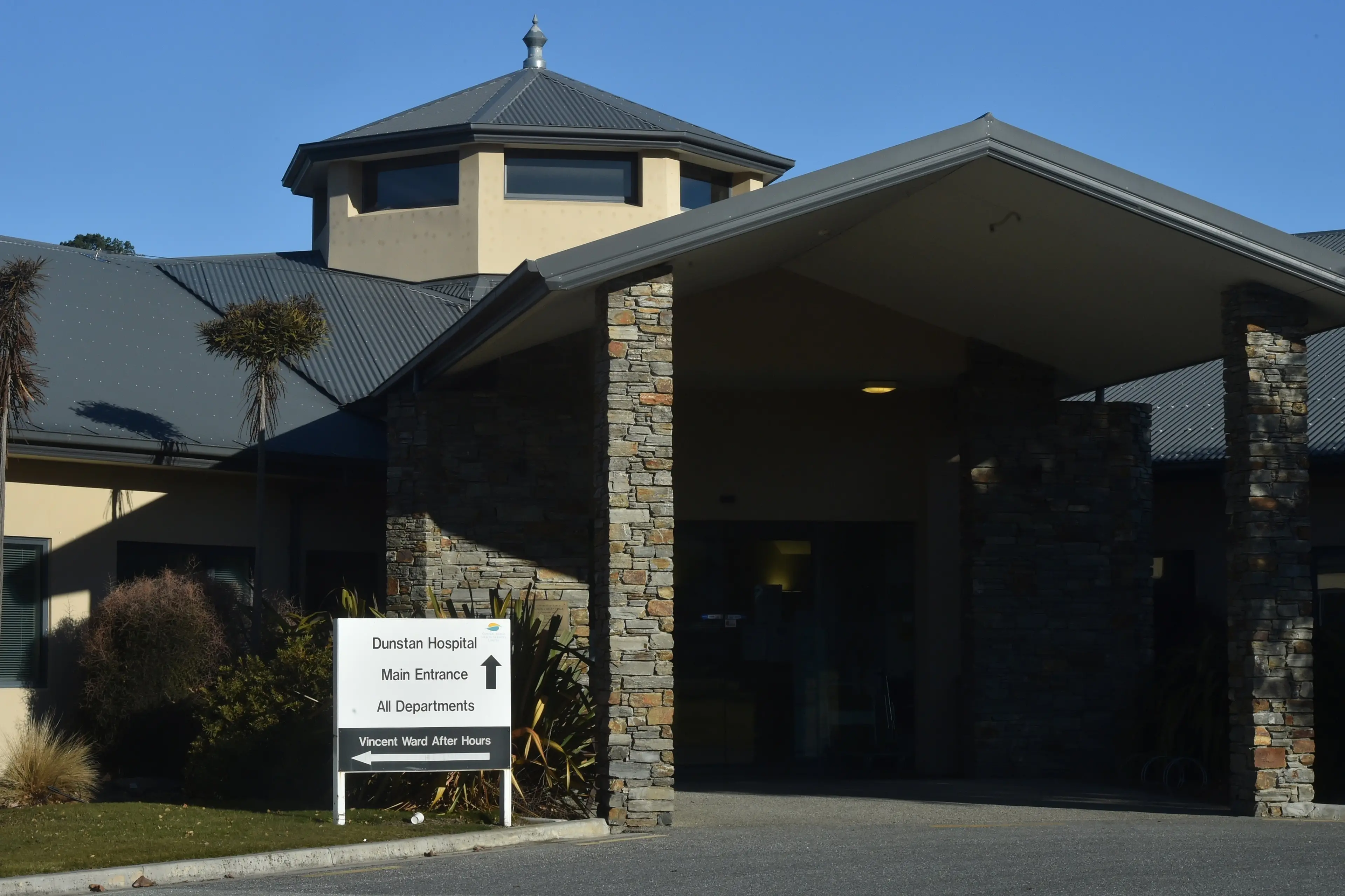
There are two very good hospitals in the Central/Lakes region now, and they are very different.
Lakes Hospital has 12 medical beds and 10 (very under pressure) ED beds. Dunstan has 28 (very under pressure) medical beds including two (non walk in) “ED” beds.
Why are these hospitals so different? Mainly because the populations are different. Lakes deals with more trauma, drug and alcohol incidents and the like, whilst on the other side of the gorge, it is predominantly older persons medical needs.
They are just very different populations. Any sensible health system should plan for that.
A single public hospital for the region doing mainly medical admissions with an ED and limited surgery in Queenstown may shift services further away from home for the majority of the medical admissions.
So, what does the region really need now? And here it bears remembering that around 90% of medical admissions in the Central Lakes region are admitted, treated and discharged from Lakes and Dunstan Hospitals.
A new base hospital will not materially change that picture as those that do have to bypass the local hospitals now tend to be admissions that would require specialist intervention in Dunedin or other major centres regardless.
So maybe, instead of thinking primarily about buildings, we need to think about services and what are needed closer to home and how they might be provided on either side of the gorge by Lakes and Dunstan Hospitals.
I believe we do need a secondary maternity facility and if that is built somewhere then it will have a couple of theatres and, likely, full time anaesthetists and some surgical staff.
It would then make sense to use those theatres for simple surgery in the region if they are there.
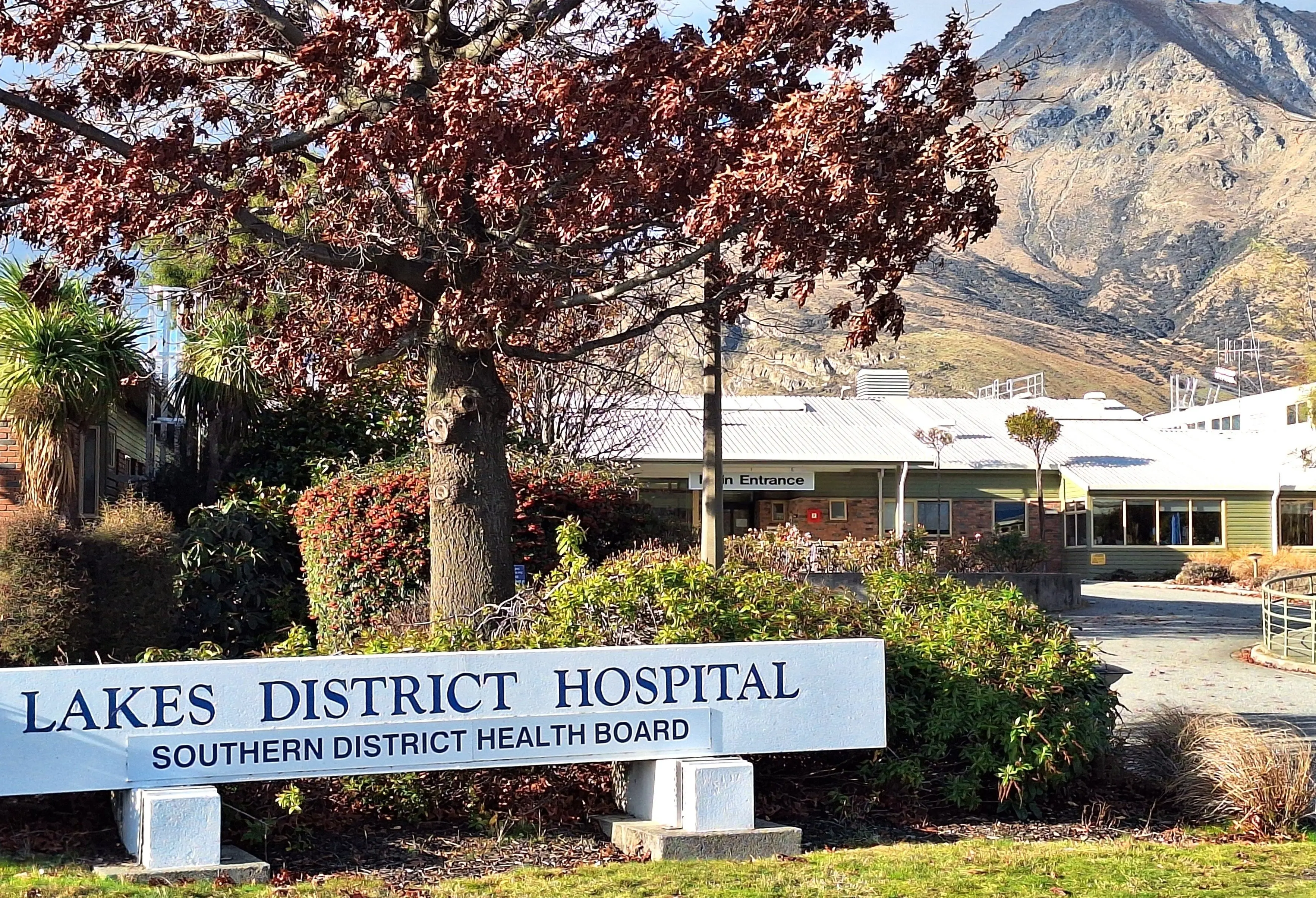
It needs decent ED facilities that provide equitable access and Lakes has that now and is expanding it. Dunstan should also be able to offer that to people on their side of the gorge.
It needs some growth in medical beds on both sides of the gorge. Both Dunstan and Lakes have the space to accommodate that.
Or, in Dunstan’s case it may make sense to look at leveraging off its existing infrastructure to have some short stay beds in Wānaka perhaps associated with a stronger 24/7 acute walk in care facility.
And it needs specialists willing to travel from the main centres to provide outpatient care close to home.
This will allow a distributive secondary health service that meets the needs of a dispersed population in ways that affordably reflect their needs. And it is certainly politically arguable.
If the taxpayer finds that they have several hundred million dollars a year and sufficient clinical staff down the back of the sofa and choose to put that into this region then where we build a hospital should reflect the answers to some critical questions.
Which of those services could be provided already through existing facilities?
What are the gaps that need filling (Eg secondary maternity, Wānaka acute care, mental health services, specialist outpatient services, more oncology services, possibly some routine surgery)
Where in the region do the likely patients live? Where can the lower paid staff critical to a hospital afford to live? What location shortens the travel time for the largest number of people?
HNZ have been asking exactly these questions and have consulted widely in the process. I hope the funding outcomes focus on services first and building resilience in the hospitals we already have.
But if and when we get a full service hospital I hope its location will be driven by the answers to my questions, not where the greatest private wealth might live.
- Richard Thomson is a former chairman of the Otago DHB, elected member of the Southern DHB and deputy Commissioner of SDHB. He served five years on the original governance board for the new Dunedin Hospital and is currently the chairman of the Community owned Company that runs Dunstan Hospital in Clyde. The views are expressed in a personal capacity.