
PHOTO
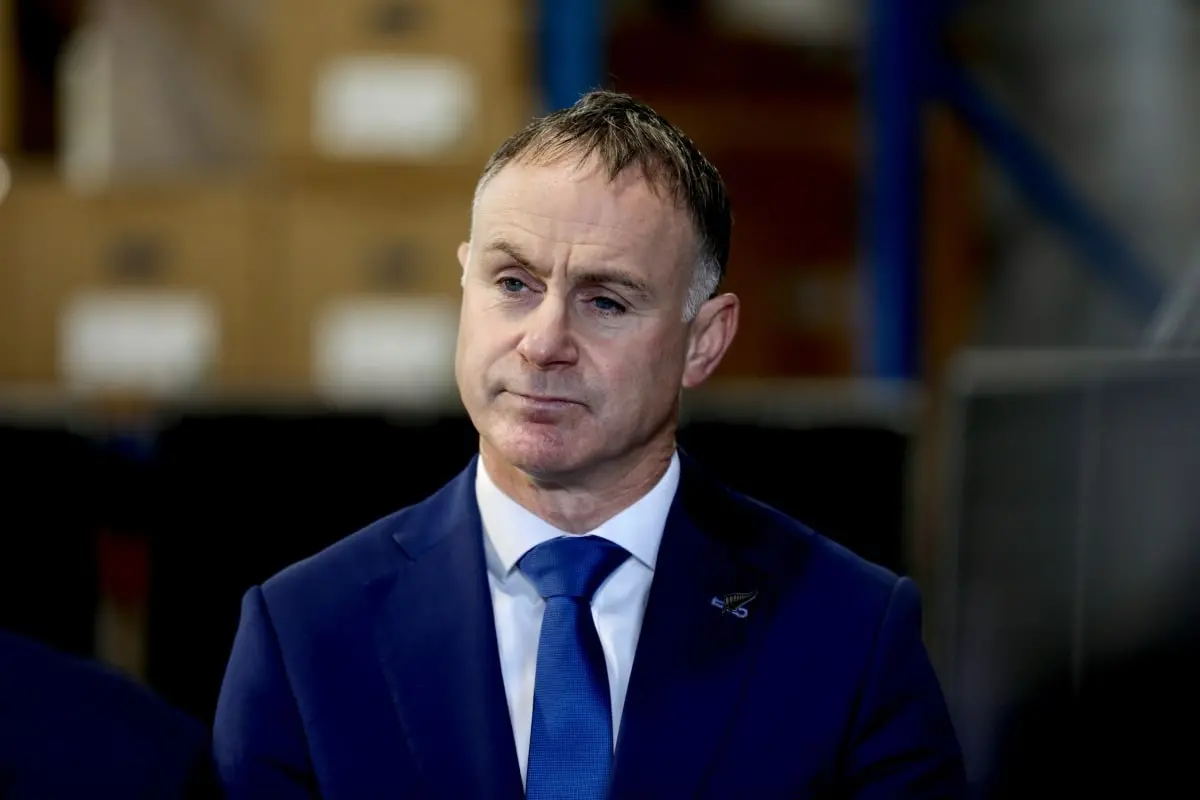
A DOG’S breakfast has been placed on the menu for us all by a ministerial sous chef and Minister of Local Government Simon Watts.
It is quite extraordinary that he thinks such far-reaching changes require virtually no time being allocated for widespread consultation between councils and the people who employ them - the rate payer.
Even more remarkable is the lack of published data that would help enable us all to make an informed judgment on all proposals.
In Alexandra, one small meeting attended by mainly retirees was the only public meeting held . Working rate payers are, well, working.
Most rate payers are not going to spend hours on the internet seeking information that may inform them of which council is a better fit with their local one — if any.
We as rate payers need to see a published comparison between the various council debt levels, interest paid by council, staffing levels, annual income from ratepayers and dividends from council-controlled companies(CCOs), contingent liabilities -- and all published in a easily understood framework.
It is a fair question to ask why this has not already been done. The Otago Regional Council was bequeathed Port Otago who in turn own Chalmers Properties.
Combined they are probably worth around $2 billion. Should that entity be sold to pay down debt? Probably, but that debate won’t happen.
The excellent recent article from Dr Robert Hamlin published in the ODT highlighted the inherent fault lines within council such as staff deciding the council agenda and not the duly elected councilors. This is just one example of why there needs to be a review of all functions of local government.
Just why we still have a mayor and not a chair of all councils is never explained. A poor performing mayor can’t be voted out of that office, but a chair of a regional council can. Both can remain as councilors — if necessary.
It would also help enormously if councilors had to pass a financial competence test before expression their desire to manage a few hundred million other people’s money.
The 2002 Local Government Act gave councils the power of general competence, which was a major mistake as the ensuring 24 years have illustrated all over the country.
The politicisation of local government was also a serious mistake The Green and Labour parties now endorse and appoint their own candidates, so an ideology doesn’t just creep into debates around a council table — it dominates them, and is a major distraction.
It would help enormously if all transport issues were placed under control of one professional regional body (a CCO) and without a councillor in sight. The same applies to rivers whose water use is a matter of major and conflicting opinion.
The almost complete separation of management and governance in council simply doesn’t work at all well for the ratepayer, councillors, and staff yet no change is ever advocated.
The problems with local government can quite easily solved with the right people in charge. These are people who don’t have to try to learn on the job and are experienced in financial management or water engineering etc . This applies to both staff and councillors.
We always seem to allow the wrong people with limited or no experience in the field for which they are given responsibilities for, to speak and vote on issues they have no prior knowledge of except a staff report, so it should be of no surprise we have systemic failures in local government.
The answers, however, are not hard to find as Dr Robert Hamlim has pointed out — if there was a will to do so.
Chasing one’s tail in a local government debating chamber has never really worked but you certainly look busy.
Gerrard Eckhoff is a former Otago regional councillor and Act New Zealand MP.