
PHOTO
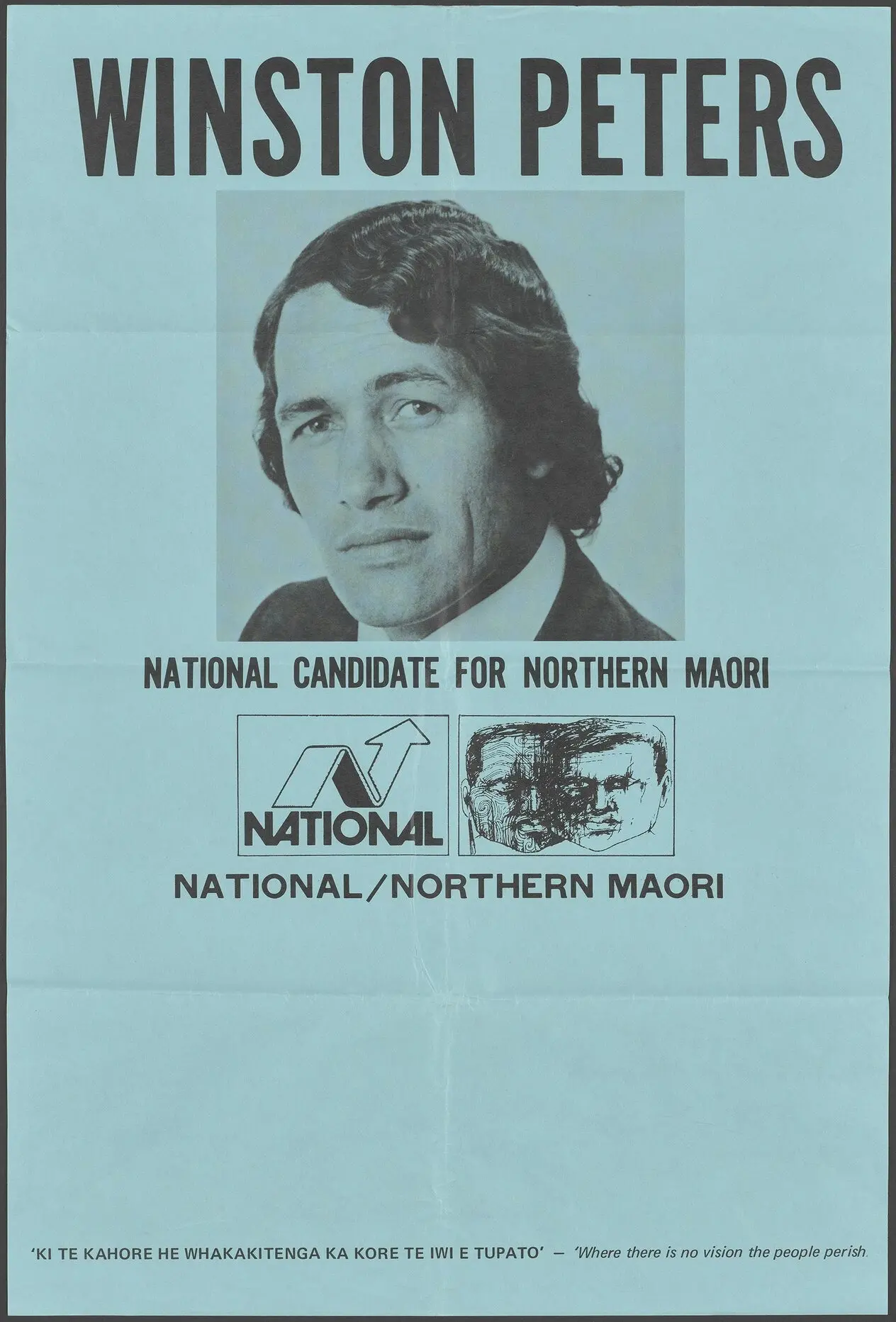
March 1974. We had shifted from Wellington a couple of years before to the follow the Green rustic dream on Banks Peninsula.
It was the time of Ohu or maybe just communes.In renovating our rundown country mansion, there was the aroma of weed in the old sitting room at night after our young mates helped us dig drains.
I had become a kind of faux hippie with long beard and long hair held in check with a braided head band. The locals suspected the worst.
By then I had been a free-lance author for a couple of years, sustaining my family and the renos by producing a series of photo-narrative books. I had completed a new one on the South Island and planned another on the north.
The old Atlas Major hippie van we had used to move down to Little Akaloa had finally packed up under the strain of chugging up the steep access road.
So when I left Maurice Shadbolt’s place in Titirangi to head north that March it was in a new gleaming white Holden Kingswood wagon. I could sleep in the back.
After leaving the Auckland speed limit zone, there was a short stretch of open highway before reaching the village of Albany. Just before its speed limit sign I spotted a lone figure thumbing a lift.
As I slowed down, this did not prove to be the usual hirsute individual with a lumpy pack but a man of around 30 immaculately dressed in dark suit, white shirt and sober tie (unlike the Paisley ties I had). In lieu of a pack he held a black briefcase.
When I stopped and wound down the window I saw that he was Māori, clean-shaven with beautifully coiffed hair. Who was he and what on earth was he doing, standing by the side of the road, thumbing a lift and holding only a briefcase?
“Where are you off to?” I asked. He seemed to hesitate after he saw my headband and beard.
But a ride in a new Kingswood could not have seemed a bad option and he said, “Marsden Point.”
I nodded. “Hop in, I’m going to Whangārei.”
He got in and belted up but seemed uncomfortable. I said, “Couple of hours at most.”
He nodded and I added, “Got business there?” He did not answer and looked straight ahead as if to say, “Get on with it.”
During the driving time, he did not want to engage in any kind of conversation and could not have uttered more than a dozen or so words. But I did manage to elicit that he was a lawyer of some kind.
When I came to the junction of SH1 and the road to Marsden Point and indicated to turn, he became more animated, insisting that I stop there.
“It’s no problem,” I said. “I can take you all the way.”
But he was adamant. “Are you sure?” I said, looking at the sign which indicated 5 miles.
He got out the car with his briefcase. “Thanks for the ride,” he said shutting the door and turning away.
“Funny,” I thought, mentally imitating Dudley Moore in his Pete and Dud sketches with Peter Cook. “Funny, I thought. Funny.”
The experience stayed with me and later I read about the dispute over Māori land in the Whangarei area and guessed that my Māori lawyer passenger had been involved.
And then, in coverage of the 1978 election campaign, the losing National candidate for Hunua took an electoral petition to the High Court and had the result overturned, finally entering Parliament in May 1979.
There were numerous news photos of the petitioner. It was my passenger on the road to Marsden Point. Winston Peters.
On that short 1974 road trip, Winston Peters clearly thought I was a pretty dubious-looking character who had somehow borrowed a new Holden Kingswood, someone with whom he could absolutely not trust with Māori land information.
That was alright. But he did not offer to help with the petrol or even offer me a fag.
To this day, I think that man owes me a drink, especially on his last rodeo.
- Philip Temple is a Dunedin award-winning author. His collection of essays An Absence of Friends is due from At the Bay in November.