
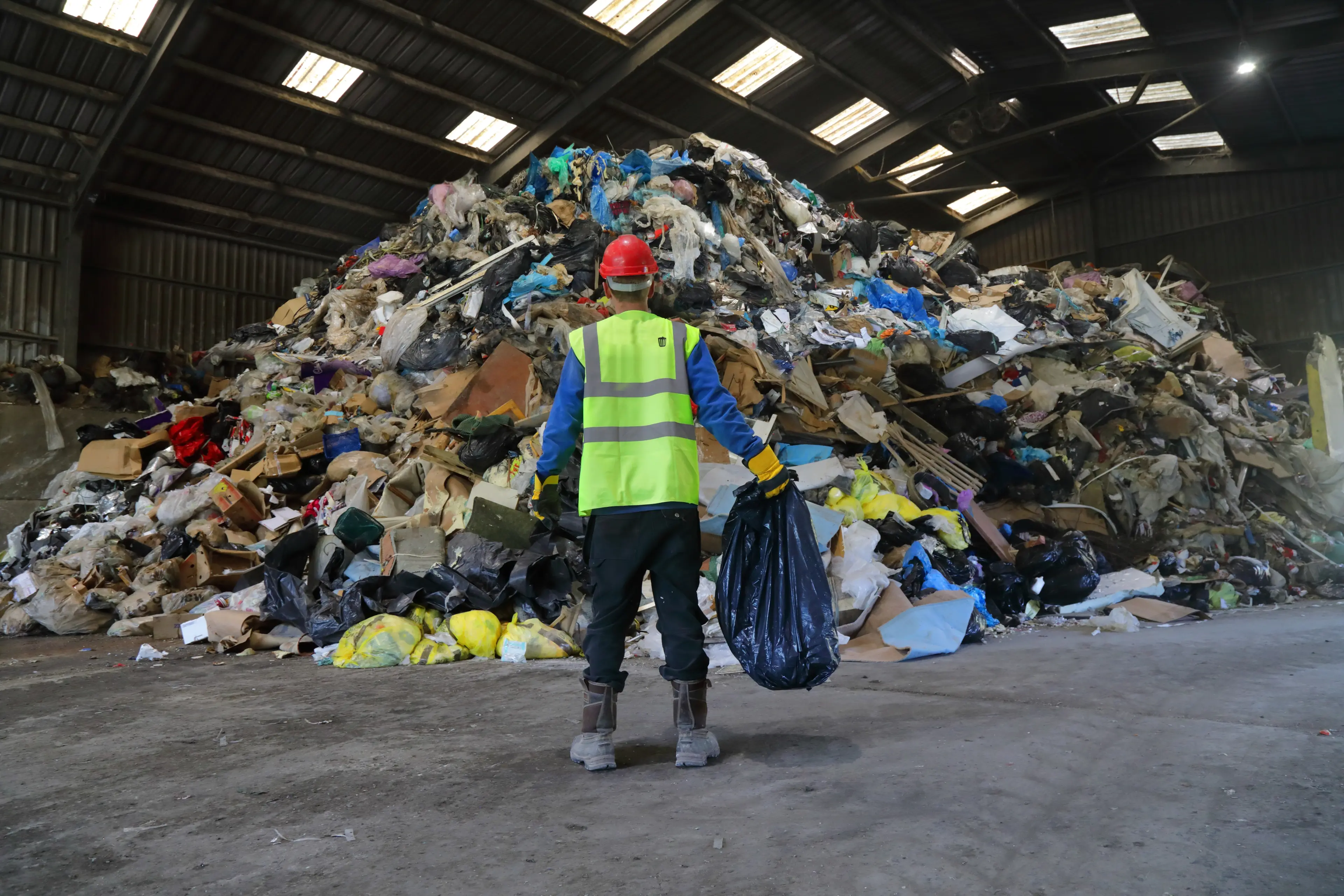

PHOTO
Recently, a local Dunedin artist asked us to machine a small run of necklaces. Beautiful things. Designed here, made here.
Before a single one came off the machine, we'd spent two hours in setup. Then 30 minutes of machining per piece, followed by hand polishing. At $85 an hour in cost, you can do the maths.
The machine time alone on one necklace costs more than a t-shirt from Temu, delivered from the other side of the planet.
That's what things actually cost to make properly, with skilled people, quality material and care.
Now run the t-shirt backwards, the way a manufacturer can't help doing. For a $10 shirt to arrive at your door, it left the factory for a dollar or two.
Inside that dollar or two sits the cotton, the dye, the cutting, the sewing, the overheads and someone's profit margin. I'll let you sit with what must be true about the wages.
I've spent half my career learning what it takes to make something well. So it worries me that we've collectively forgotten the value of things. Not the price. The value.
We've never been louder about our values. Petrochemicals, bad. Child labour, bad. Plastic in the ocean, bad. Rubbish, bad.
And then the courier van pulls up with another $6 parcel, made of plastic, airfreighted, wrapped, boxed and to your door.
Before you think I'm about to get preachy, I'm in this too. Regular readers may recall my lost-sock bin, 89 unmatched socks deep, and my elegant solution of buying more socks with the groceries. But I can read a balance sheet, and ours doesn't balance.
The World Bank put out a report in March on the world's waste. The global average is 0.88kg of rubbish per person, per day. New Zealand sits at almost 2kg, up the top of the table alongside the United States and Canada. For a country that sells itself to the world as 100% Pure, that's quite the gap between the brand and the bin.
Which brings me to the hole in the ground.
This month we learned Smooth Hill might be binned, with the council seeking expressions of interest to truck our rubbish out of the district instead, to Winton or Timaru.
Ever since we moved house, people keep saying to me, ``you must be so relieved, you don't have to worry about the landfill any more’’.
Let me set that straight. My opposition to Smooth Hill was never just about my backyard.
It was about Otokia Creek and Brighton beach. And a fundamental belief that spending $92 million on a hole in the ground is the least inspirational use of capital this city could dream up. Capital, I'd add, that we don't have.
Here's what bothers me: both options answer the wrong question. Bury it at Smooth Hill or truck it up the road to Timaru, either way we're arguing about where to put our rubbish.
Nobody is asking how we make less of it. Yet every tonne we don't create shrinks the $92 million question on its own.
Twenty years ago, Ljubljana in Slovenia barely separated its waste. Within a decade it became the best-performing capital in Europe, generating a third of the European average per person, with some of the lowest waste costs on the continent.
Cheaper and cleaner, in 10 years. A New Zealander generates in about six weeks what a Ljubljana resident sends to disposal in a year.
The crown of lowest waste per head in the southern hemisphere is sitting on the table, waiting for a city with the nerve to claim it.
Why not us?With the university and polytech, we are arguably New Zealand’s smartest city.
Imagine tapping into that brains trust. What could Dunedin do with even half the landfill budget pointed at making less waste instead of housing it. We'd get a smaller bill, a cleaner beach, and a story worth telling the world.
And the good news?n the first month of the Dunedin City Council’s kerbside food and green waste collection, 45% of everything collected went in the green bins instead of the ground; in the council's own words, waste to landfill ``almost halved’’'.
So we are on our way. It also leaves the Smooth Hill business case, built on 60,000 tonnes a year, looking pretty shaky already.
And it doesn't stop at the kerbside bin. New Zealand has a productivity problem. We squeeze less value out of every tonne of material we use than almost anyone in the OECD, then wonder why we're losing a race we were never going to win.
Imagine flipping it. Imagine if we bought less junk and more quality. Supported the local makers who put a story into what they sell.
Saw spending more on something built to last as a mark of good judgement, not extravagance. Stopped comparing whether we have the latest stuff, and started asking whether we have the best.
And no, I'm not anti-technology, whatever this column is starting to sound like. We use AI and automation every day in our factory; it's the only way a Dunedin machine shop competes with the world, and I'm not suggesting we retreat to the artisan days.
But here's the thing about technology done well: its whole job is eliminating waste. Wasted hours, wasted labour, wasted material.
In our workshop, even the metal shavings are collected and given a second life. Efficiency is just the flip side of productivity, getting more value from the same resources.
AI shouldn't be making things cheaper. It should be making things better, and wasting less while it does. I'm fairly confident the greatest value technology can create for society is not another $5 t-shirt or plastic toy.
Values aren't taught. They're caught. Our kids aren't listening to what we say about child labour and pollution, they're watching what we do.
They see the parcels arrive. They learn that everything costs $10, that nothing is worth mending. If everything around them is cheap and replaceable, why would they grow up believing anything is worth looking after?
So next time the $10 t-shirt is sitting in your cart, do the maths a manufacturer can't help doing. Someone, somewhere, made that.
What did they get paid? And what would your kids say you value, if they could only judge by what you do?
• Sarah Ramsay writes the Ripples column for the ODT. She is chief executive of United Machinists.