
PHOTO
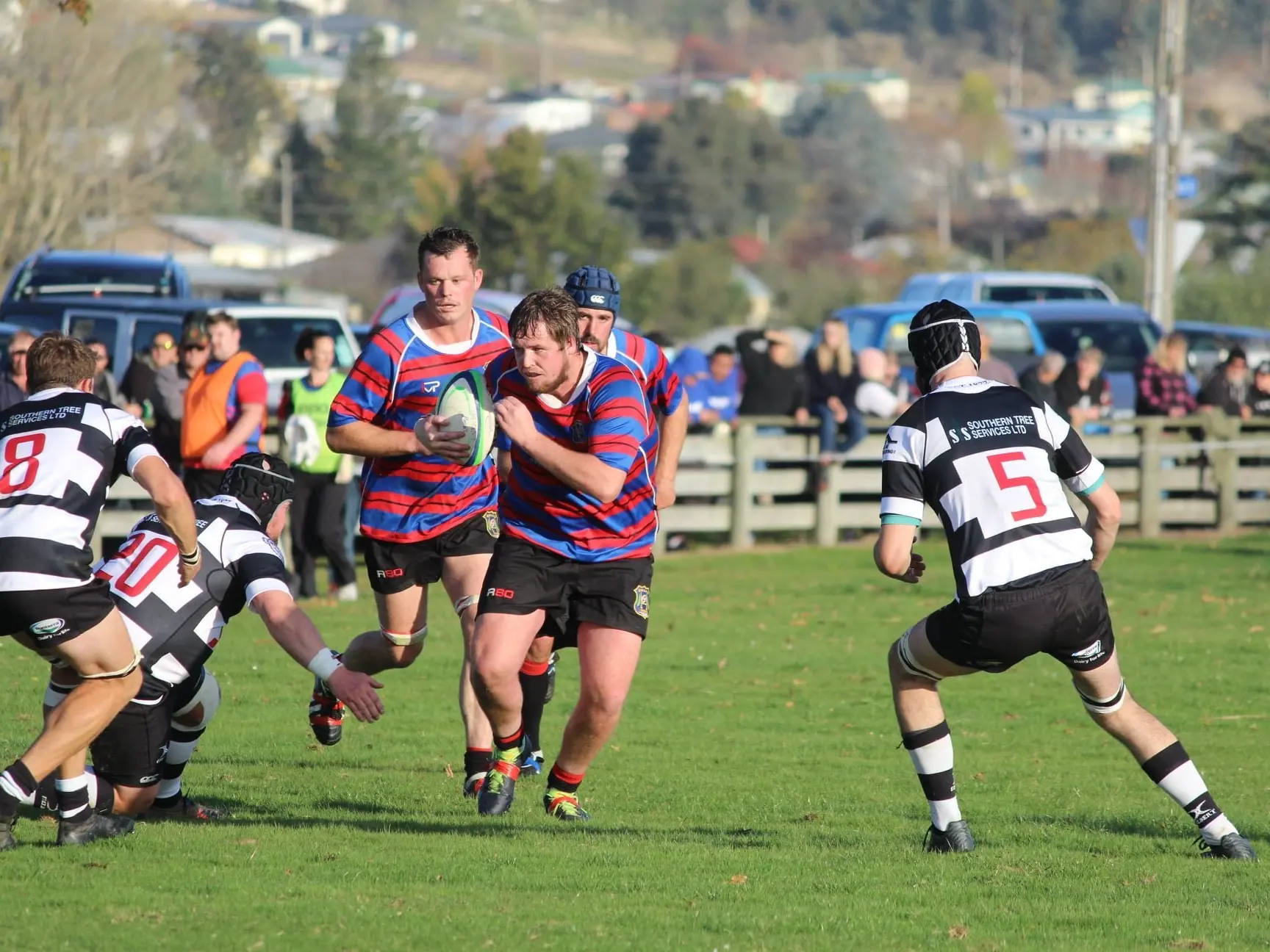
You can tell the rugby season is getting close when the training lights flick back on across small town New Zealand, boots come out of the garage, and clubrooms slowly wake up from their summer sleep.
For many parts of the country the start of rugby is still more than just sport. It is the glue that keeps the community together.
At the national level, New Zealand Rugby has had its share of headlines lately. For a period it has felt like the organisation has been without clear leadership, sitting between decisions on a long-term chief executive and coaching direction. I hear the announcement of the new CEO for NZ Rugby should be coming over the following days.

While that national conversation always grabs attention, the real heartbeat of rugby in this country has never actually been at the top. It lives at the grassroots and right now across New Zealand the club season is well into preseason training for senior sides now.
Training lights will be back on soon in the evenings, coaches are counting numbers, and players are blowing out the cobwebs after summer. It is that time of year where optimism is high and every club quietly thinks this might be their season.
I have been involved in the game now for close to two decades, mostly as a referee, and that role gives you a unique view. You see how different communities operate, how clubs function, and more importantly how people show up for each other.
I still remember one cold Saturday in Southland where I was refereeing a country match and there were more people standing on the sideline than the two towns probably had permanent residents. After the game both teams, supporters and families packed into the clubrooms together.
It did not matter who had won. The afternoon felt more like a community gathering than a sporting fixture.
One thing I have consistently noticed is that the small rural clubs often do the community side of rugby far better than their big city counterparts.
Go to a country club in places like Milton, Owaka, Riverton, Lawrence or Alexandra on game day and you will often find at least a few hundred people there. Not just players and immediate family, the wider town turns up.
Grandparents, former players, sponsors, farmers who have knocked off early, kids running around, and plenty of familiar faces. Everyone knows someone who knows someone involved in the team. It is not unusual to see three generations standing on the sideline together.
After the final whistle the clubrooms fill up. Win or lose people stay. There is a meal, a drink, a raffle, speeches that go a bit too long, and plenty of stories that get better with age.
It is not just about the result. It is about connection. Rugby in many of these rural towns is still one of the things that holds the community together.
Contrast that with many city clubs across New Zealand and the difference can be noticeable. You will often find fewer spectators on the sideline and even fewer people heading back to the clubrooms afterwards. The sense of this being our team can get diluted.
That is not a criticism. It is simply the reality of the modern environment, but it does raise a question about how we keep club rugby strong in bigger centres.
One area both city and rural clubs may need to look harder at is the cost of simply running a club.
Insurance, lighting, maintenance, equipment and general overheads have all crept up over the years. For many volunteer committees it is becoming a real burden.
Some regions have already started experimenting with shared facilities, where rugby, football and hockey operate from the same complex. One set of changing rooms, one bar, one kitchen, one maintenance bill. It is not glamorous but it is practical and it keeps sport accessible and builds an atmosphere in the clubrooms once games are finished.
If we want some of the clubs to be around in 100 years and participation numbers to hold, or ideally grow again, reducing the cost base has to be part of the conversation.
Once a club disappears it is incredibly hard to bring it back.
Rural clubs, despite often having smaller populations to draw from, seem to survive because the community treats the club as essential infrastructure, right alongside the school, the pub and the volunteer fire brigade. People rally around it.
If city clubs that are struggling want to take lessons from anywhere, they should spend an afternoon at country footy. Stand on the sideline and sit in the clubrooms afterwards. It is more than a game. It is part of that community’s identity and a weekly gathering point people feel proud of.
As the season kicks off over the coming weeks it is worth remembering that while we all enjoy debating the All Blacks, broadcast deals and high performance pathways, the real health of rugby in New Zealand is measured on a Saturday morning or afternoon at local grounds.
As long as that continues, the game will always have a future.
• Hamish Walker is a former National MP and director-salesman of Walker & Co Realty, Queenstown.