
PHOTO
Georgia Kerby (22), admits she lives in a part of the world where she can choose not to think about child slavery.
"We don’t see slavery, and as a young person I can’t comprehend it.
"But I want to experience for myself what life is like for other people."
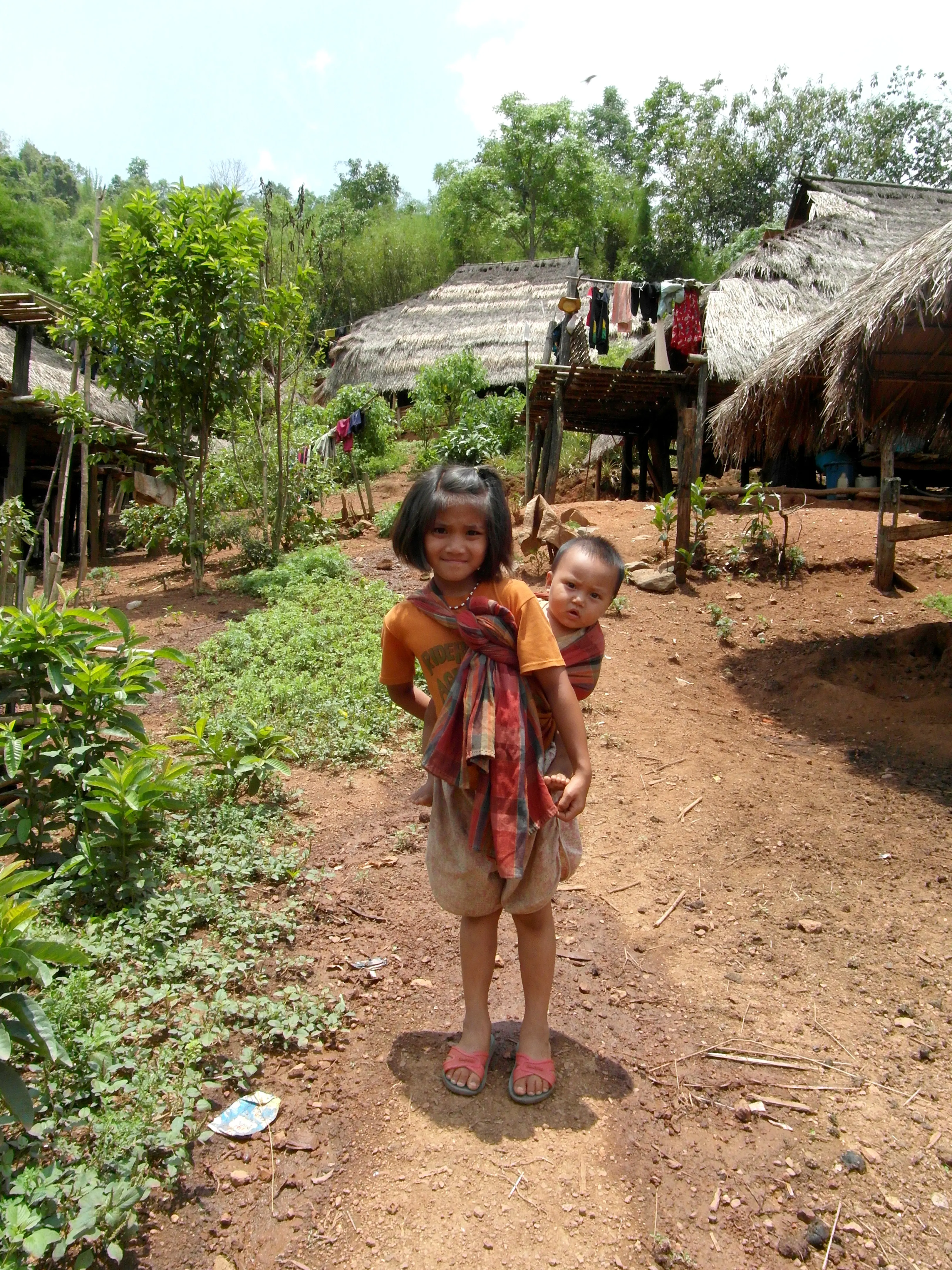
The University of Otago master of archaeology student and Dunedin Rotaract member has spent the past six months learning about "the tip of the iceberg" of atrocities committed against children of the Southeast Asian Akha tribe.
Members of the ethnic minority tribe are spread across Thailand, Myanmar, China, Laos, Cambodia and Vietnam.
This diaspora means members of the tribe are considered stateless.
Project Starfish founder David Black, of Dunedin, says it is this statelessness which makes the Akha tribe particularly vulnerable to slavery.
"In the absence of any legal right to live in the world, the children of the Akha hill tribe are disproportionately vulnerable to abduction against their will, into one of the darkest and most sinister forms of child slavery known: child sex slavery."
Through his work as a Rotarian, Mr Black has met children whose lives have been devastated by the insidious industry.
He says the encounters have left him determined, but realistic.
"I am a realist and I acknowledge, albeit with a heavy heart, that I may not see an end to child slavery in my lifetime.
"But if we can inspire our next generation to take up the fight, they might just see it in theirs."
Mr Black says establishing a strong social media presence where the atrocities of child slavery are discussed on a platform used by young people is the key which will unlock the door for change.
"Our Rotary youth, and young people in general, are so well connected via social media ...
"Young people can, and will, take an issue of importance in the world, such as child slavery, and can use their ‘friend’ networks to spread a message to viral proportions."
Miss Kerby says she has already started sharing what she has learnt about the plight of the Akha tribe with her social media network.
"When we are there and there is time, I plan to share how the villagers are educating me about things, too.
"The Akha tribe have a local embroidery technique which I want to learn.
"It is about learning about their culture and their heritage, just as much as it is about getting in and helping."
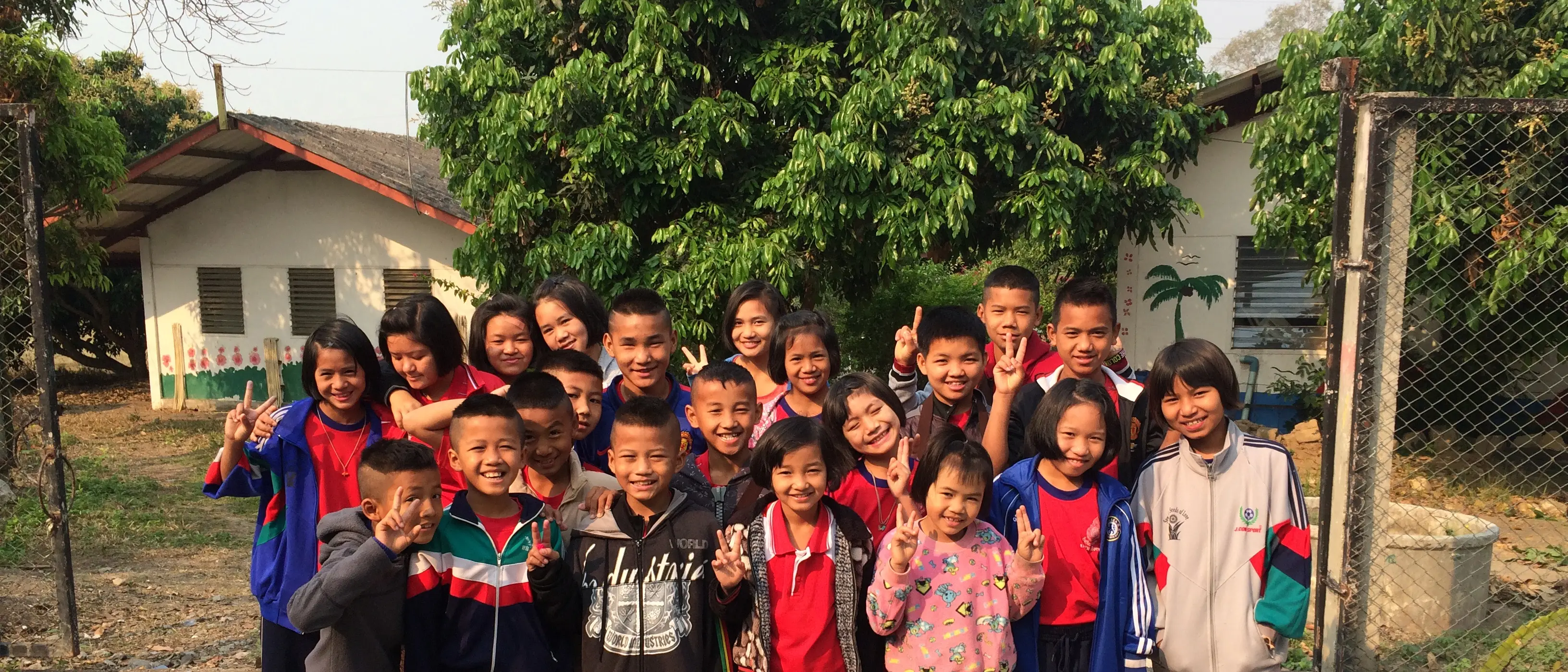
The Rotaract team will travel to Mae Suai, Northern Thailand, to start a dental project at the Rescue Mission for Children Centre, which has operated in the province for 22 years.
At present, children are "proactively" brought to the centre by their parents in the hope they can receive care and education that will give them a legal status and mitigate the risk of abduction into brothels, Mr Black says.
"Among our team of students, we will have a qualified dentist who completed his studies at the Dental School in Dunedin, an electrician and Rotary members who can provide the expertise necessary to provide care for these children."
Dunedin Rotaract member and University of Otago first-year law student James Heath (19) says preparing for the trip has changed his priorities in life.
"It’s made me realise I don’t want to go through life just making money, I need to help people."
During the trip the Project Starfish team will meet the Cambodian director of the United Nations Action for Co-operation Against Trafficking in Persons, and the Thailand director of Nvader, a group of investigators who work alongside law enforcement to gather evidence against child traffickers.
Mr Black says the trip will be a baptism by fire for the Rotaract members, something which makes him admire the students.
"Our young members will be meeting children whose innocence has been violently ripped away from them.
"They will be meeting tribe members and delegates and doing physical work.
"They will be laying the foundations to end this pervasive and inhumane industry."
In addition to meeting people on the battle lines of the industry the group will also plant an orchard of guava trees to provide a sustainable income for the centre which will offset the costs of keeping it open.
They will also build two security gates at the entrance of the centre to provide better protection for the children inside.
Miss Kerby says while she is excited to begin the project she knows the Akha children are just one example of the global issue of child sex trafficking.
Mr Black said more than 2.2million "new" children around the world are abducted and forced into the industry each year.
The dental project, which he hopes will heal the teeth, and begin to heal the fractured states of child trafficking victims, will cost about $2000.Mr Black says about $10,000 has already been raised and additional funds will be used for other projects the centre has on its "wish list".
"That’s just a drop in the pool compared to the estimated $US150billion ($NZ205billion) which is spent in the child sex industry each year."
To help fund the trip visit: https://givealittle.co.nz/cause/projectstarfishnz, or visit the Dunedin Rotaract Club Facebook page: https://www.facebook.com/Rotaract-for-Project-Starfish