
PHOTO
Health New Zealand is transferring patients as far as Christchurch and offering $3000 a day to locums while Southland lacks a permanent full-time urologist, documents released under the Official Information Act reveal.
Following the resignation of two specialists earlier this year, the organisation said it would only defer surgeries and procedures where absolutely necessary and if it was clinically safe to do so.
At the same time, internal briefings show health bosses moved a risk rating to 'extreme', with warnings of adverse patient impacts and the potential "collapse of the Southland service".
Health New Zealand said 48 Southland patients had been transferred to other regions and 13 operations had been cancelled by June 21.
By September just five of those had gone ahead, with the remainder rescheduled.
The briefing documents showed the cancelled treatments included cancer surgeries, and patients were being sent to either Dunedin or Christchurch.
The situation was compounded by the fact the Dunedin urology service was "already under-recruited and struggling to meet demand", health bosses wrote.
The briefings showed Health New Zealand had approved pay rates of $3000 a day for locums to fill the gap.
The organisation later confirmed four had been supporting the Southland service.
Health New Zealand acknowledged patients were waiting longer than it wanted but said patients were being triaged according to their need and wait time.
It comes after RNZ spoke with a Winton man who faced weeks of delays for cancer surgery.
Patients sent out of region
Invercargill resident Ashley Fulton said her long-awaited endometriosis operation was abruptly cancelled because the urologist had quit.
The call came right as she walked into hospital and grabbed the door handle for day surgery.
"It had already took two years for my case to work its way up through the system ... and so I went back into the mind games of being back in limbo," she said.
She said four months later she was eventually able to receive treatment in Dunedin, but the wait was far from ideal.
"I was on 35 pills a day just to be able to get out of bed and even that didn't stop the pain. That was just me being able to get up and just walk around," she said.
"That four months of not knowing and then getting the date to go - and then I'm in a whole different town. I had no support people … which was hard as well."
Health New Zealand declined RNZ's interview requests but sent a statement from Southland general manager Simon Donlevy.
He said the organisation was prioritising patients with the greatest clinical need or who had been waiting the longest.
"We know that people requiring less urgent treatment may wait longer than we would like, and we acknowledge their frustration," he said.
Senior doctors and specialists were in demand across health systems internationally - and New Zealand was not immune to that trend, he said.
Prostate Cancer Foundation networker Trish Wright said the situation was dire.
"I think they're surely absolutely panicking to offer somebody $3000. I think it goes back to the whole situation of medical students - whether there's not enough medical students being trained or they're not being encouraged to stay in the country," she said.
"The fact that [patients] are being referred to Christchurch, to me shows that everybody's panicking because they've got nowhere else to send them."
Southland Kidney Society president Nobby Clark said he agreed with Health New Zealand that there was no quick fix.
"The dilemma I guess they face is there's no magical way to find urologists or surgeons that can do urology surgery … there is no magic bullet," he said.
However, the region was already beset by waiting lists due to a shortage of hospital beds and operating rooms, he said.
"In Southland, for example, we know that we're short of about one and a half operating theatres. If an urgent case comes in on a helicopter, those people get the operating theatre, not necessarily the specialist," he said.
Union urges retention push
Association of Salaried Medical Specialists executive director Sarah Dalton said she rejected any framing of the resignations as normal turnover.
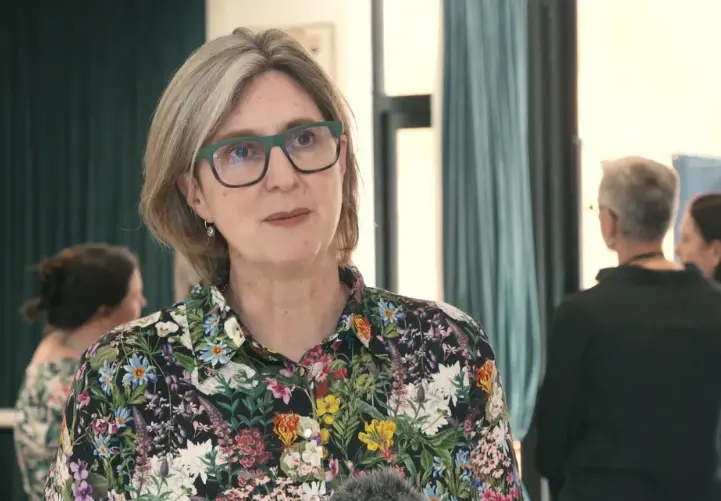
She said Health New Zealand should be looking after its existing staff better, with specific recruitment and retention allowances for hard-to-staff regions like Invercargill.
"I'm kind of gobsmacked that Health New Zealand don't just put their hands in their pockets and get their best efforts at recruitment and retention under way, because it's costing everybody. It's causing patient harm. It's leaving doctors unhappy, frustrated," she said.
She said if a specialist services collapsed, remaining doctors and general surgeons would be forced to step in and work beyond their normal clinical scope.
"You get a domino effect where a service reaches that tipping point, people throw up their hands and say 'this is not safe, I can't work like this', and they go and work somewhere else."
Health New Zealand said it was committed to strengthening its urology workforce.
