
PHOTO
The southern city long regarded as New Zealand's most affordable has seen a substantial rise in house prices, defying a national downturn over the past year.
As property values fell 1.2% nationwide, they rose 8.2% in Invercargill - with warnings that an influx of trades workers could intensify competition for housing.
The increase outpaced gains in Queenstown and Christchurch.
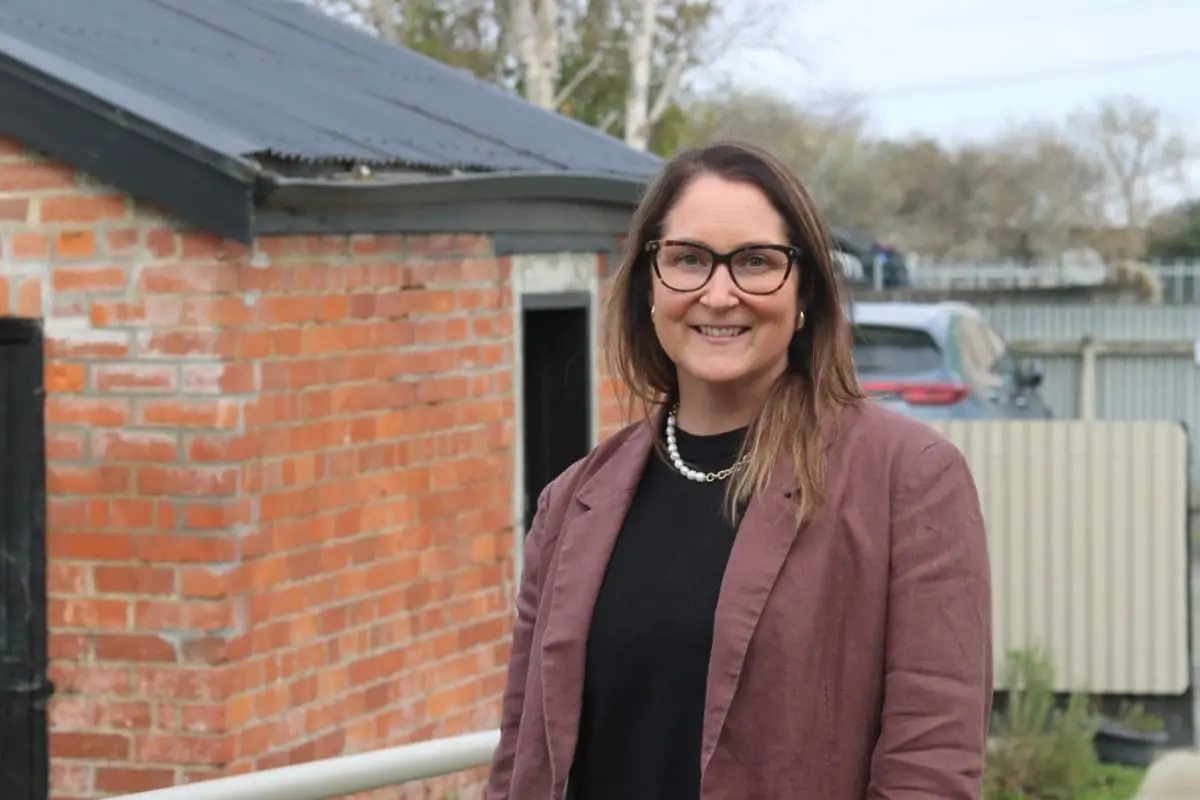
Quotable Value Lower South Island regional manager Kylie Helman said prices in most other centres had remained flat or fallen.
"Invercargill's been one of the strongest performing markets in the country... the average value for Invercargill is now sitting just shy of $550,000," she said.
The main driver was a confident local economy, with meat and dairy export revenue at record levels, she said
"Strong commodity prices have supported farm incomes and that money flows through the local economy to employees, contractors, trades and local businesses. And for some people that creates the ability to invest outside the farm as well and and in some cases into residential property.”
Local mortgage broker Mandy Jordan said she had also been working with freshly-qualified trades workers who might have once have left Invercargill in search of jobs.
There were now plenty of roles on construction projects and at places like the Tiwai Point smelter, she said.
"I have never seen first home buyers as active or in competition as they are today.
"Our young people coming through that have got trades, there's no need for them to leave Invercargill - because we've got that much going on with infrastructure that there's employment for them.
"And they don't want to carry on renting. They want to get on the property market."
Real Estate Institute statistics showed it took about a month for a house to sell in Invercargill or Southland compared to a national average of 50 days.
Recent first-home buyer Taylor Whitehead said she was surprised by the sheer competition at open homes and the speed with which properties shifted hands.
"It was interesting to see just how many people were attending these open homes and looking for houses… some of them I went to had like 20 or so people go through.”
Amy Murchland - who recently decided to find a house closer to her son's school - said it was mere days before buyers came calling on her silent listing.
"We put our house on the market on a Tuesday. We had an offer on the house by Sunday.
"We knew it was going to be hot. What we didn't take into account was potentially how much the prices had risen from the last time that we were looking. So what we expected to be able to get for the money that we thought we were going to be able to spend was not reality.
"We had to step out of our comfort zone a little bit in the finance situation to secure what we were looking for.”
Harcourts Invercargill manager Wayne Ellis said the strong demand was being compounded by a long-standing shortage of housing in Invercargill.
"There's certainly a shortage of stock available. Typically there's approximately 100 sales most months and currently, on the market, there's around 260, 270 properties available ... really only two-and-a-half months of stock," he said.
He said that pressure was likely to continue, with construction set to start on a slew of new projects, including a wind farm, a vast new salmon farm, the country's largest data centre and a critical minerals and hydrogen plant.
"There's going to be a need for 2000 to 3000 more workers and and we need to be able to house those people. They're not all going to land straight away... but managing that growth will be the challenge" he said.
Helman said she expected Invercargill's rapidly rising house prices to eventually flatten off to a more steady, sustained level.
"We did notice in July is it has flattened off a little bit. It's too early to tell at this stage whether that's going to be an ongoing trend or whether that's seasonal demand coupled with an election year and interest rates on the cusp of moving. So, a crystal ball would be lovely."
