
PHOTO
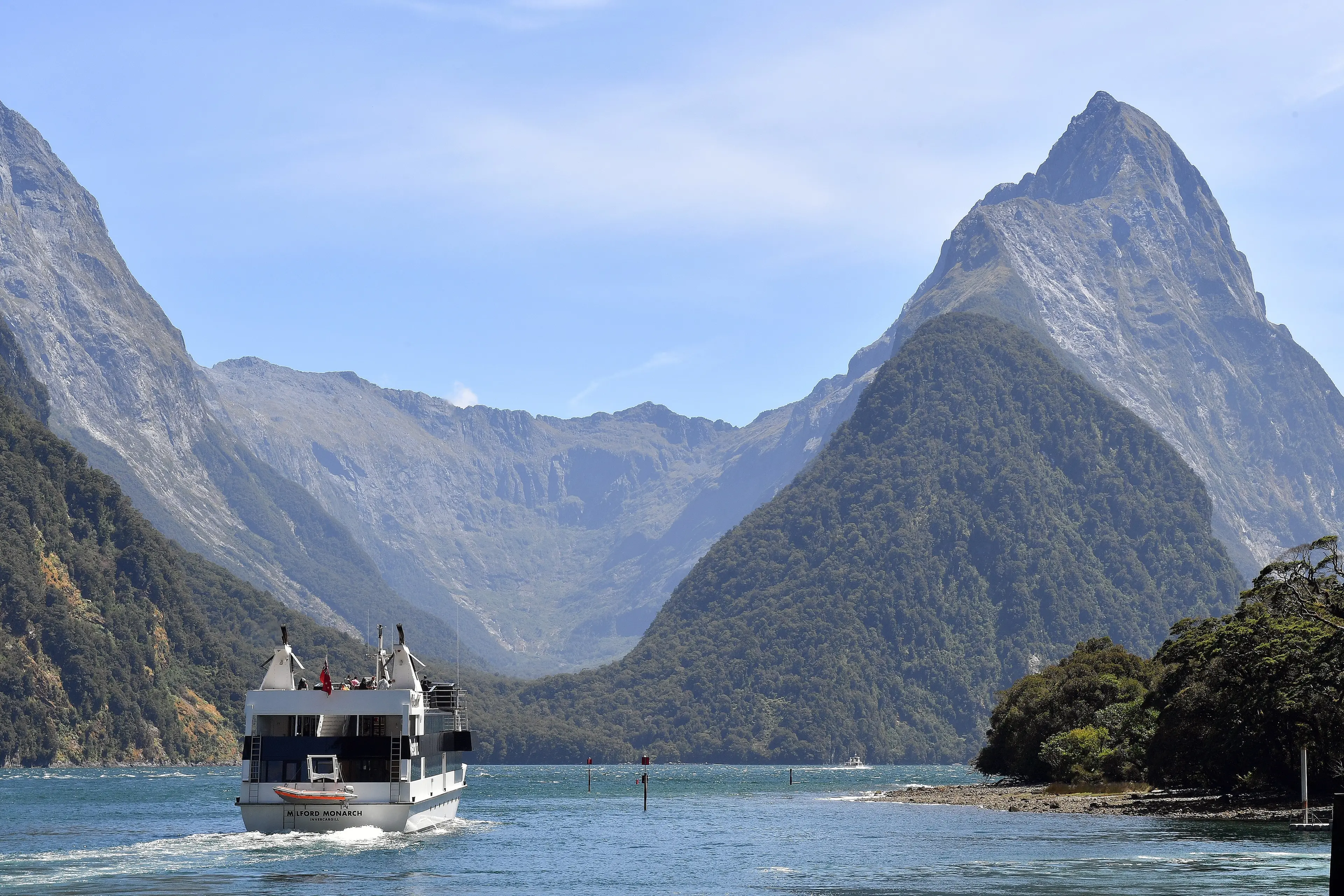
Southland's mayor says the tragedy in Nepal should prompt practical preparation for the threat of a tsunami at Piopiotahi /Milford Sound.
The death toll from the devastating Himalayan glacial floods has crossed the grim 1000 mark. Nearly 4500 people are missing after the gigantic wave of freezing water, rocks and debris from a high-altitude glacial collapse roared downstream last week.
Glaciers melting or falling, climate change, large scale erosion and the possibility of tsunamis are all factors in parts of New Zealand.
A new report from Emergency Management Southland highlights the risks of a landslide down the cliffs surrounding the water at Milford Sound and then causing a tsunami.
Large landslides had occurred in the past, and an Alpine Fault earthquake could trigger those in the future, the report said, "potentially creating tsunami that reach visitor and village areas within minutes".
Problems identified included a very short response time and limited evacuation options.
Mayor Rob Scott told Morning Report the tragedy in Nepal was an eye-opener for people in this country and a similar event in an area like Milford Sound could become the country's worst natural disaster.
"What attracts everybody there is the greatest risk."
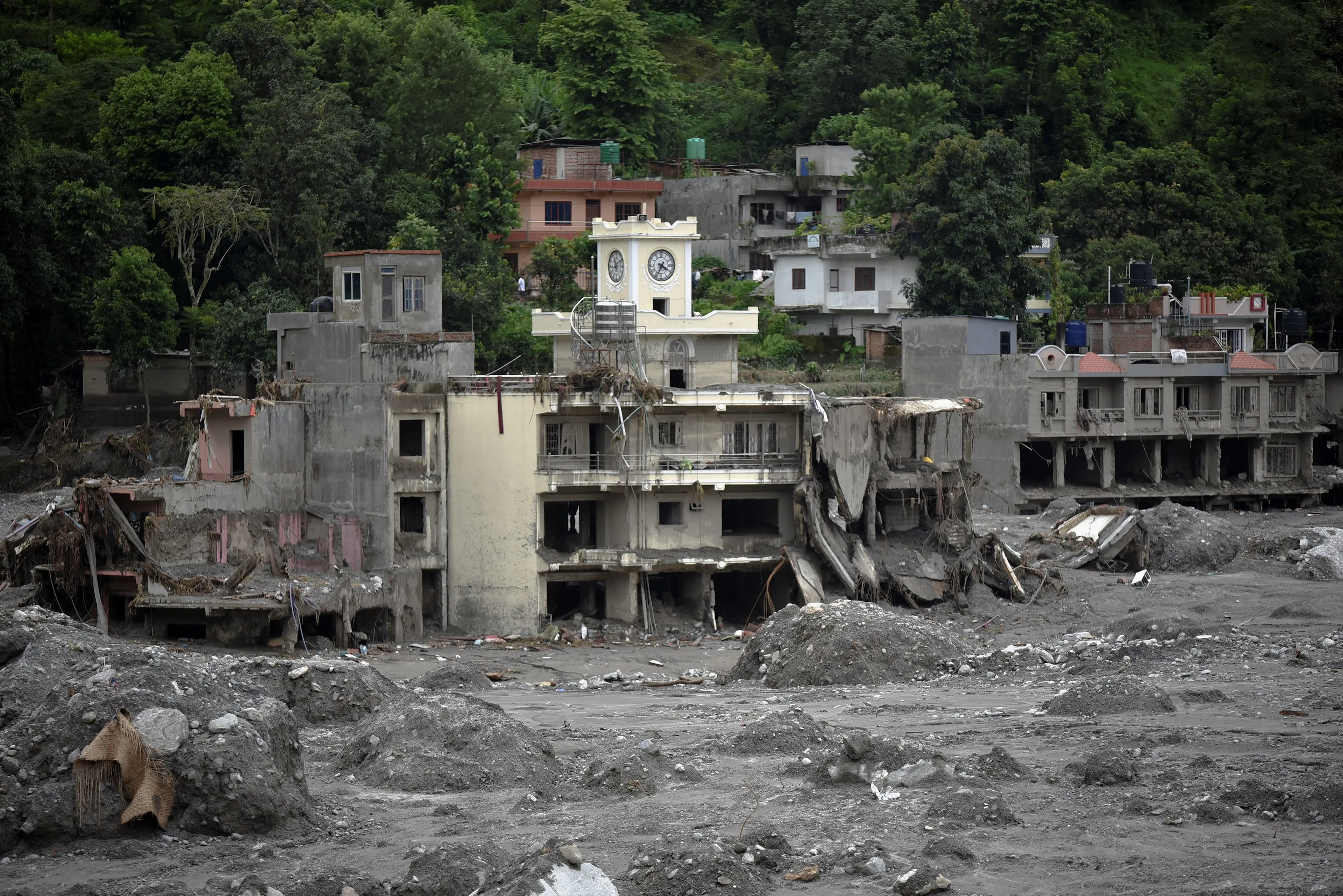
As soon as the Nepal flash floods occurred, Scott said he was among those realising how much of a wakeup call it was and it could easily be repeated here.
"It's trying to weigh up what we can actually do ... there is a likelihood it's going to happen and I guess we've got to look as a country as to what we can do to be the most prepared we can be."
He didn't wish to catastrophise the risk, however, Milford Sound attracted 1 million visitors a year so at any given point in a day there could be 3500 people visiting.
One possibility would be limiting the number of visitors to reduce the scale of any possible disaster.
There wouldn't be much warning and even if an earthquake provided some clues it would still leave people with only two or three minutes to get to higher ground, Scott said.
"I think Usain Bolt would probably even struggle to get to higher ground in that short timeframe so the risk is real and I think we need to look at what practical things we can do to mitigate it."
While practical advice could be given to residents, it was much harder trying to prepare visitors for such an emergency, Scott said.
Milford Sound is part of the Department of Conservation's estate.
However, emergency management falls to councils to fund, but Milford Sound was a nationally significant attraction, he said.
"This becomes a national responsibility rather than a local one to fund."
He said someone at a high level needed to take ownership and responsibility for the risks.
"This whole 'it's not my responsibility, not my job' kind of thing isn't going to land here after the event."
Scott said some of the funding could come from the International Visitor Levy and paying for some escape routes might need to be one priority.
"We need to look at whatever measures we can to minimise the harm from something that's just happened in Nepal."
