
PHOTO
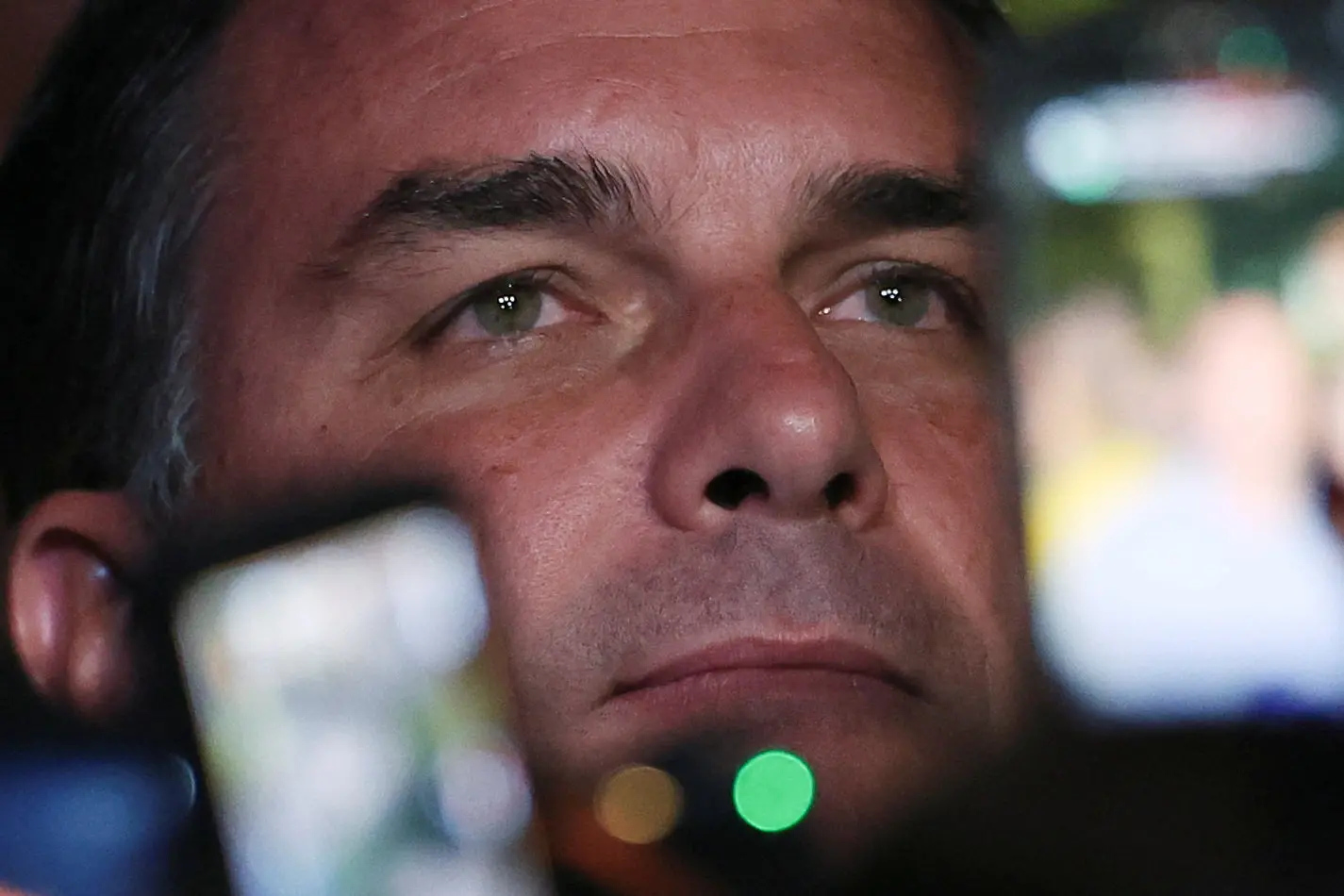
Brazilian Senator Flavio Bolsonaro will face President Luiz Inacio Lula da Silva in the runoff of a presidential election, after the challenger took some 47% of valid votes in the first round, beating the forecasts in most private surveys.
The two leading candidates will advance to the second round of voting on October 25, after topping a field of 12 candidates in a campaign focused on concerns about the growing cost of living, corruption and insecurity in Brazilians' daily lives.
Bolsonaro, the son of right-wing former President Jair Bolsonaro, who is serving a 27-year sentence for plotting a coup after losing the 2022 election, now heads to a showdown with the leftist Lula, who picked up 44.9% of votes, with nearly 99% of votes reported.
Private surveys in the run-up to the election had forecast Lula leading the first-round vote by around three percentage points. Bolsonaro's stronger-than-expected performance will buoy his campaign and may bolster Brazil's currency and stock market, which have risen on the prospects of the business-friendly challenger.
"The pollsters missed badly," said Robert Muggah, cofounder of think tank Igarape Institute. "Expect the runoff polls, which show a dead heat, to understate Bolsonaro as well."
A victory for the senator would extend a wave of wins across Latin America by right-wing candidates aligned with US President Donald Trump, while Lula's reelection could be a challenge for Washington, which has clashed with his government over trade and security.
Despite growing worries over Brazil's public finances and sluggish economic growth, the campaign offered meagre policy debate, as both leading candidates skipped the major TV debates.
SURPRISE SHOWING
Early on Sunday, Bolsonaro told journalists in Rio de Janeiro he was counting on "a protest vote from people who would otherwise vote for another candidate but are opposed to Lula."
Thaise Lima, a 41-year-old lawyer on her way to vote in Sao Paulo, said her main goal was to get Lula's Workers' Party out of office.
"I don't think Flavio is the best candidate, but I might decide to vote for him in the next few minutes," she said, adding that she wished psychiatrist and author Augusto Cury were a more viable candidate.
Fernando Tempel, 49, a management consultant, told Reuters he was voting for Bolsonaro despite initially planning to vote for Romeu Zema, the former governor of Minas Gerais state.
"The protest vote foreshadows what is to come in the runoff," said political analyst Rafael Favetti. "While this should benefit Flavio Bolsonaro now, his growth potential in the second round drops precisely because that support has already been front-loaded."
ECONOMIC HEADWINDS
Despite falling inequality and unemployment, Lula has struggled to win over voters grappling with high living costs, heavy household debt and the threat of crime and more pervasive gang activity.
Bolsonaro has sought to capitalise on cost-of-living concerns, while Lula has moved to ban online gambling and, as the race tightened, expanded welfare and proposed fresh debt relief for families.
Rising spending and public debt above 82% of GDP have stoked fiscal concerns that Brazil's next president will need to address. The government lowered its economic growth forecasts for this year and next to 2.0% and 2.3% respectively.
"I voted for Brazil to start growing again," said Marciano de Souza e Silva, a 52-year-old public servant in Brasilia who voted for Flavio.
A strong performance by right-wing candidates in Sunday's Senate election could help Bolsonaro's ability to pass economic reforms, institute a "more well-behaved fiscal policy" and ultimately boost growth if he is elected, said Marco Saravalle, chief investment officer at MSX Invest/Krivo Capital.
OVERSHADOWED DEBATE
Scandals and fears of foreign interference ahead of the vote largely overshadowed policy debates during the campaign.
Controversy surrounding the now-defunct Banco Master has engulfed much of Brazil's political class after Daniel Vorcaro, who ran the bank, was arrested earlier this year and accused of a multibillion-dollar fraud scheme.
The investigation has probed the banker's ties to figures from Supreme Court Justice Alexandre de Moraes to the younger Bolsonaro, who is being investigated for money laundering tied to the case by the federal police. Both have dismissed the allegations against them.
Throughout the campaign, Lula's allies have warned that the Trump administration might refuse to recognize election results if he wins, pointing to an aborted effort to send US officials to Brazil.
"What is at stake is the future of Brazil," Lula said after voting in Sao Bernardo do Campo, in Sao Paulo state.
Trump has not formally endorsed a candidate, though he hosted Senator Bolsonaro at the White House and praised him publicly.
Reuters reported on Wednesday that Brazilian intelligence officials briefed a French and German delegation on alleged US and Russian interference before the election. The US has rejected claims of interference in Brazil's affairs.
On Sunday afternoon, Brazil's electoral court chief Kassio Nunes Marques said the election was running smoothly.