
PHOTO
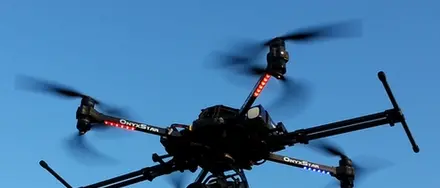
Drones. No, not those people making the same old noises about shifting election dates or the supposed weaknesses at our border.
The other things. Those magnificent little flying machines that have gone from futuristic novelty to inexpensive and accessible toy — or even vital piece of business equipment.
The numbers have skyrocketed. There are now some 271,121 recreational drone users in New Zealand, flying 156,610 drones, mostly just for fun. That’s a lot of buzzing overhead.
It is also a lot of potential for risky behaviour.
RNZ has reported some alarming findings from research conducted by the Civil Aviation Authority, which found as many as a quarter of recreational drone users did not know the rules around where or when they could fly their device.
Further, about 10% of commercial drone flyers — the CAA study found nearly 8000 businesses in New Zealand were using drones, and that number is climbing rapidly — were also unaware of the rules, and one in every five flights was happening in a restricted air space.
If you think those numbers are respectable enough, imagine 25% of people driving regular vehicles not knowing the road rules, or one in every 10 truckers unsure whether to drive on the left side of the road or the right.
The CAA reported that complaints about drone use in New Zealand had leapt from just six in 2012 to 506 in 2018, and there had already been 437 in the first seven months of this year.
Safety issues must be paramount when considering the operation of drones in New Zealand air space.
These are not kites, nor paper planes. These are miniature, motorised aircraft that can cause serious damage to other aircraft or humans if they are used incorrectly.
There are, obviously, also privacy issues to keep in mind. Why is that drone in a restricted air space? What is that thing buzzing above my house? It’s taking photos? Of what?
Then there’s the noise pollution factor. Not a biggie, as many drones are so quiet, but the buzz can buzz off, as far as some people are concerned.
The message needs to be clear: drones can be great fun, and a wonderful tool for sectors from real estate to agriculture. But they also come with laws, and with personal responsibilities.
As CAA deputy chief executive for aviation safety Dean Winter told RNZ, the best approach should be ‘‘when you fly a drone, you’re actually a pilot’’, and that means playing by the rules.
Those rules include staying below 120m, keeping your drone in sight at all times, and staying at least 4km away from airfields and helipads.
More drones are coming — though the ‘‘pizza delivery drone’’ we were boldly promised some years ago seems no closer — and it seems it might be time to crack down on how they are operated.