
PHOTO
In the summer of 1944, as the world burned, British operatives put the finishing touches on a plan known as Operation Foxley.
The objective was simple: a sniper would eliminate German leader Adolf Hitler during his routine morning walk at the Berghof in the Bavarian Alps. It was a moment where the moral arc of history seemed to demand a single, well-placed bullet.
Yet, British Prime Minister Winston Churchill and his High Command hesitated, and the operation was ultimately called off.
The reasons were partly strategic: there was a sense that Hitler’s erratic military leadership was actually helping the Allies.
But there was also a deeper, more fundamental concern. No-one doubted that Hitler was a monster with trainloads of blood on his hands, but he was also the head of state of the German Reich.
There was fear that murdering a head of state would be a transgression that could extinguish the last potential scraps of a stable international order. The world might be exchanging the short-term satisfaction of a tyrant’s death for the long-term cost of the death of hope for a functioning international rule of law.
This unspoken taboo was finally given a name and a seal in 1973 with the adoption of the Convention on the Prevention and Punishment of Crimes against Internationally Protected Persons, which has now been accepted by nearly every country in the world.
The convention draws a clear, legal line in the sand: heads of state (such as presidents and kings) and heads of government (such as prime ministers) are "protected persons" who are absolutely shielded from murder by any other country. While this fragile scaffolding has been creaking for decades, on February 28 it may have finally collapsed.
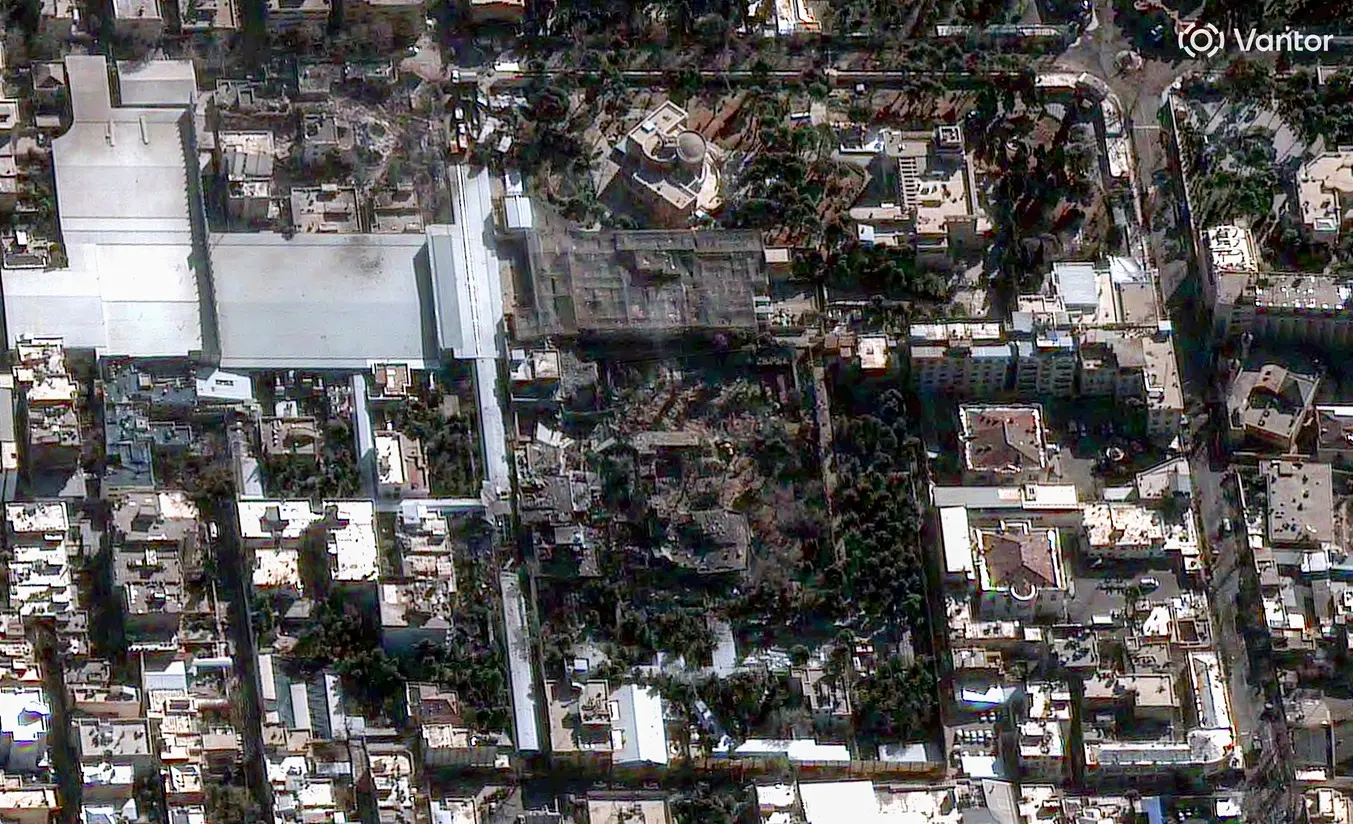
On that morning in Tehran, forces of the United States and Israel bombed the Beit Rahbari — the House of Leadership — the residence and working office of Ayatollah Ali Khamenei, the Supreme Leader of the Islamic Republic of Iran.
Khamenei and several family members were killed in a "kinetic event" of such intensity that its intent was self-evident.
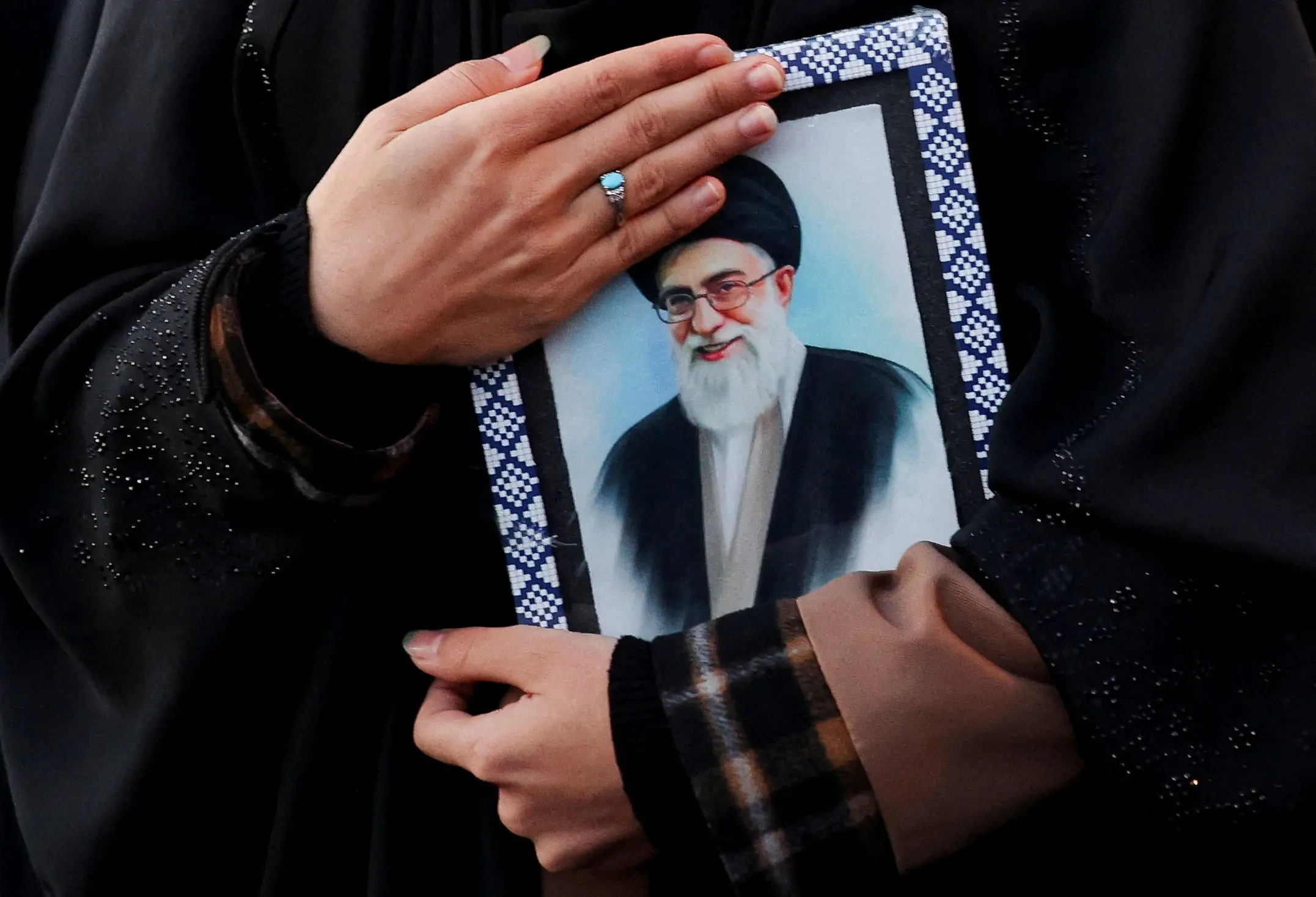
Khamenei was no angel, which both the US and Israel are repeatedly emphasising in their stated justifications for the attack. To put him on a par with Hitler would be beyond the pale, but under Khamenei, Iran has been among the very worst international actors.
The Supreme Leader is personally responsible for the murder of tens of thousands of civilians in other countries and his own state. He was providing more practical support for terrorism than probably anyone else in the world. He was undoubtedly one of the principal enemies of Israel and the US, and a legitimate threat to their citizens.
But to make this argument misses the fundamental point that the British High Command was able to discern in 1944.
By classifying the head of a sovereign state as an "existential threat" that can be liquidated at will, Trump and Netanyahu have effectively given carte blanche to every other state with a grievance.
If the Supreme Leader’s compound in Tehran is a legitimate military target, then so too is the Elysee Palace, the Knesset, Buckingham Palace, 10 Downing St, the White House and the Kremlin. There is no reason that the Beehive in Wellington is exempted.
The reason that previous world leaders have agreed to the prohibition — which can now be said to be founded on the two great sources of international law, treaty and custom — goes well beyond those of self-interest. There are other reasons, both symbolic and pragmatic.
Symbolically, a head of state is the physical embodiment of a country’s sovereignty, and state sovereignty is sacrosanct above all else under the UN Charter. If an aggressor state decides that it has the right to kill another state’s head, then it is essentially a declaration that the victim state’s right to sovereignty and self-determination no longer exists.
If that is accurate, the foundational concept of sovereignty loses all meaning and the entire structure of the modern international order falls with it.
Pragmatically, assassination of leaders rarely leads to the attackers’ hoped-for transition to a happier place. Power vacuums often develop, and internal political, military, or ethnic groups scramble for control, which often leads to civil war or a wider regional conflict as neighbouring states attempt to put their thumb on the scales of succession.
Regime-change optimists must try to recall where we have been before; for instance, the 1994 Rwandan genocide was kicked off by the mysterious assassination of the president of Rwanda.
The British commanders of 1944 understood something that we seem to have forgotten: that the law of nations is not a luxury of peaceful times, but a survival mechanism for violent ones.
Hitler was spared not because he deserved life, but because the world deserved a chance at a structured peace.
In seeking to eliminate a singular threat today, Trump and Netanyahu may have inadvertently ensured that no world leader, including themselves, is ever truly secure.
For a small nation like New Zealand that relies more on the rule of law than the reach of missiles, this is bound to become a terrifying new world.
• Stephen Smith teaches international law at the University of Otago.