
PHOTO
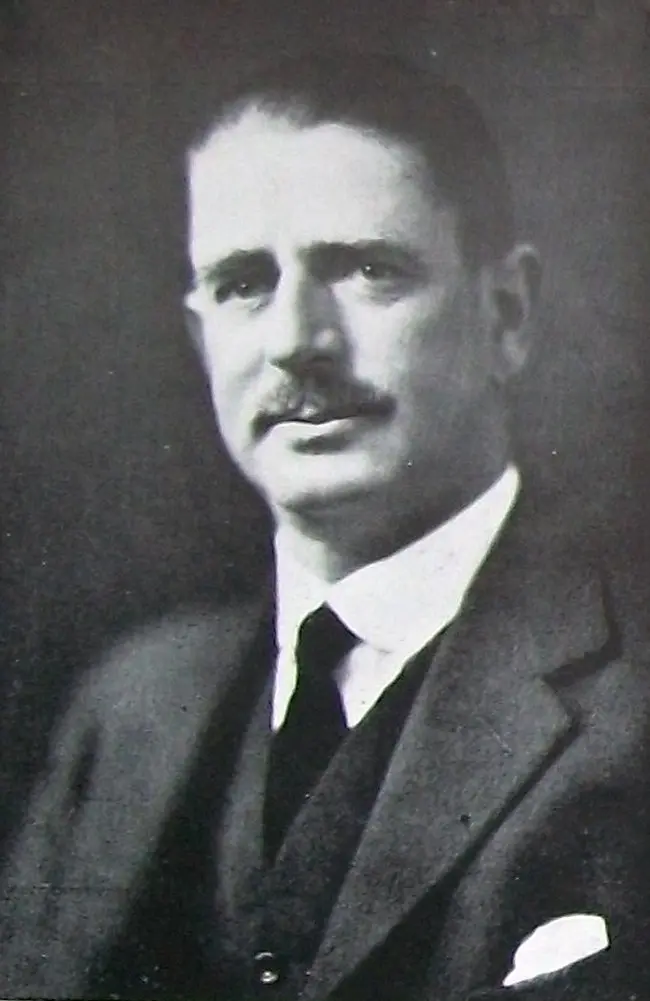
Christopher Luxon survives because his failing party cannot agree upon a successor.Were there a contender with sufficient political talent to convince their caucus colleagues that they could reunite the Right around National’s banner, there can be little doubt they would already have cleared out Luxon’s office.
National’s problem is that it has always been an uneasy alliance of two parties pretending to be one.
The bedrock of the New Zealand Right has always been the interests aggregated around the agricultural sector. Hardly surprising, given the crucial role farmers have always played in generating New Zealand’s wealth.

No other political force — not even the trade union movement at the peak of its powers — has defended its interests as ruthlessly as the farmers.
Ever since the formation of the Reform Party in 1909, the niceties of democracy and civil rights have never been allowed to get in the way of giving the farmers exactly what they want.
There was a brief period in the 1890s when farm workers, as a voting bloc, had provided a large measure of support to the progressive social reformers of the Liberal Party. They were concerned to displace the great landowners who had set themselves up in the colony’s formative years.
But this objective could only be achieved if the state took the lead in breaking up the “gentry’s” estates and settling aspiring farmers on their confiscated acres.
Once settled, however, these new farmers were determined to expel the state from the whole landholding exercise. That was the Reform Party’s promise, and that is precisely what it did.
Reform also presented itself as something more than the farmer’s economic champion. The party proclaimed itself the principal defender of the values which rural New Zealand embodied.
The Liberal Party was far too supportive of the working class and its unions. What’s more, the professional classes and their commercial clients living in the big cities were far too fond of looking down their noses at the Reform Party’s uncouth and ill-educated provincials.
The ensuing struggle between “rural virtue” and “urban vice” has shaped New Zealand politics for more than a century.
With the formation of the Labour Party in 1916 the fortunes of what had been the Liberal Party could only be boosted by the smoke and mirrors of political conjurors desperate to prevent metropolitan voters from drifting towards the socialists. The Great Depression put paid to these magician’s tricks.
Following the election of the first Labour government in 1935, it no longer made the slightest sense to keep two right-wing parties, one for the country and another for the city, in being.
The result was the NZ National Party. On paper, National presented itself as a united front in defence of the interests and values of the private-enterprise system. Within its ranks, however, the suspicions and animosities which had for decades undermined the ideological coherence of the New Zealand Right persisted.
The instincts of the majority of the National Party’s members and voters, however, are politically uncomplicated and brutal. Smash the unions. Disparage the intellectuals. Rein in the expensive impulses of public servants. Keep the state weak.
And never, ever, take the Crown’s boot off the neck of the Māori people.
National has always been much more Reform than Liberal.
The fact remains, however, that New Zealanders are overwhelmingly an urban people. What’s more, as a result of the welfare state that Labour created and National was forced to accept, the New Zealand population has become healthier, better educated, better housed, more gainfully employed, increasingly tolerant, and longer-lived.
Any political party which ignores these achievements
of the past 90 years, or, even more insanely, attempts to roll them back, cannot hope to win an election.
The ghost of the Reform Party may gibber in the mouths of NZ First and Act, but if National repudiates its liberal legacy it will cease to be a major electoral player.
Chris Bishop, Nicola Willis and Erica Stanford know this, and any one of them is more than capable of making the case for an intelligent, resilient, enterprising and just Aotearoa-New Zealand.
Unfortunately, when Mark Mitchell, Paul Goldsmith and Simeon Brown hear such sentiments expressed, their first impulse is to dismiss them (and their advocates) as dangerously “woke”.
Christopher Luxon remains in place because he hasn’t the slightest idea what either side is talking about.
• Chris Trotter is an Auckland writer and commentator.